Lava’s Virat Curve campaign bets on story over specs
Lava's Virat Curve 5G campaign casts Rohit Saraf and Pratibha Ranta in a music-video romance, signalling a shift from feature-led ads to story-led brand building.
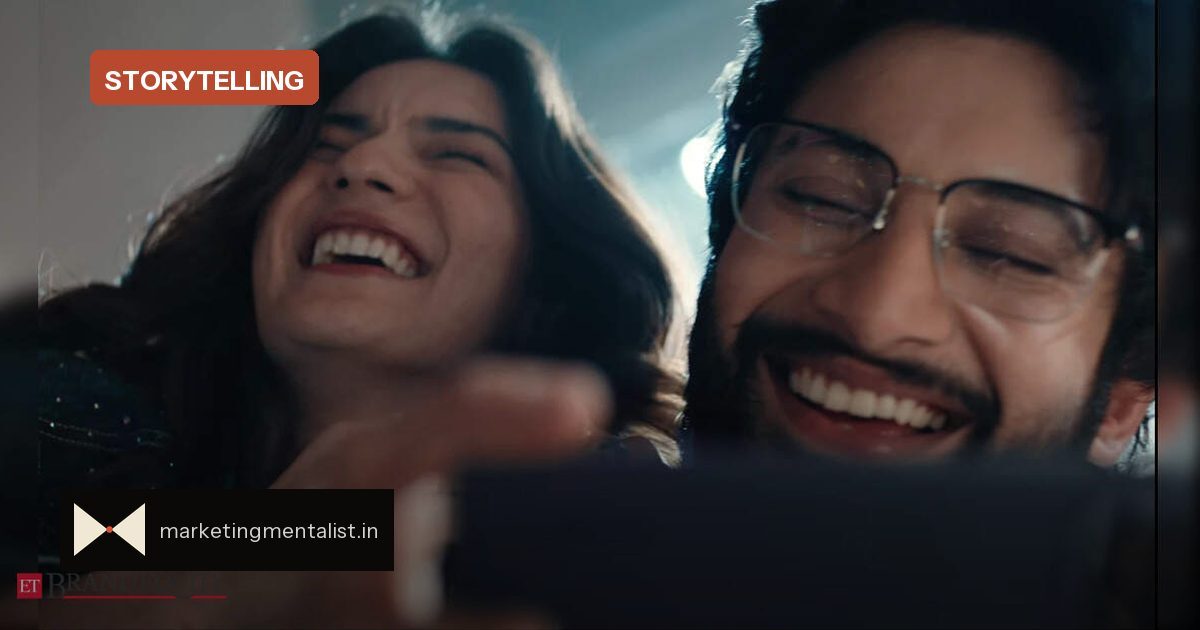
For years, Indian smartphone advertising has followed a predictable rhythm: glossy device shots, a spec sheet read aloud, and a price reveal. Lava’s new film for the Virat Curve 5G deliberately breaks that rhythm.
Titled ‘Go With The Curve’, the campaign pairs Rohit Saraf and Pratibha Ranta in a romantic narrative that unfolds like a music video. A chance encounter opens into an imagined relationship, moving through romance, adventure, conflict and connection. The phone is not the story’s hero; it is a natural part of the couple’s world.
A deliberate strategic bet
Puravansh Maitreya, head of marketing at Lava Mobiles, said the brand wanted to move beyond feature-first communication and create something entertaining and distinctive, with the product entering the experience naturally.
Raghav Bagai, co-founder of Sociowash Network, put the logic more bluntly: people are consuming more content than ever, so brands have to make something people actually want to watch. “Smartphone advertising has largely been feature-led. We wanted to change that and create a piece of entertainment where the product becomes part of the story, rather than the story becoming about the product,” he said.
Youthbeat business head Shubham Chawla added that Saraf and Ranta were chosen because they already generate buzz together. The campaign taps into that existing chemistry rather than trying to manufacture it from scratch.
The psychology behind the pivot
Feature-led advertising assumes a rational buyer: compare cameras, battery capacity and processors, then choose. But smartphones are not only rational purchases. They are identity objects. Story-led work lets consumers decide how a brand feels before they evaluate what it does.
The campaign leans on narrative transportation. Once viewers accept the imagined relationship, they lower their resistance to the message. A product inside an accepted story feels less like an interruption and more like everyday scenery. That is the opposite effect of a spec-sheet ad, where the phone is the message and everything else is decoration.
What brand managers can steal
- Let the story survive without the product. If every scene turns on the phone, it is still a demo. The Virat Curve works because the romance could exist on its own.
- Borrow chemistry, not just celebrity. Casting actors with existing audience buzz gives the campaign a head start in attention.
- Match the format to the audience. A music-video treatment, familiar track and short-form pacing fit how people watch on social feeds.
This does not mean specifications no longer matter. The phone still has to deliver on its promise. The campaign’s job is to get people to care enough to look. Lava is testing whether a music-video romance can do that better than a feature comparison.
Source: ETBrandEquity.com