Jio Story: Why Shared Memories Outlive Campaigns
Why Jio's 2016 data moment became a shared memory, how 'my first video call home' works as collective nostalgia, and what brands can learn from it.
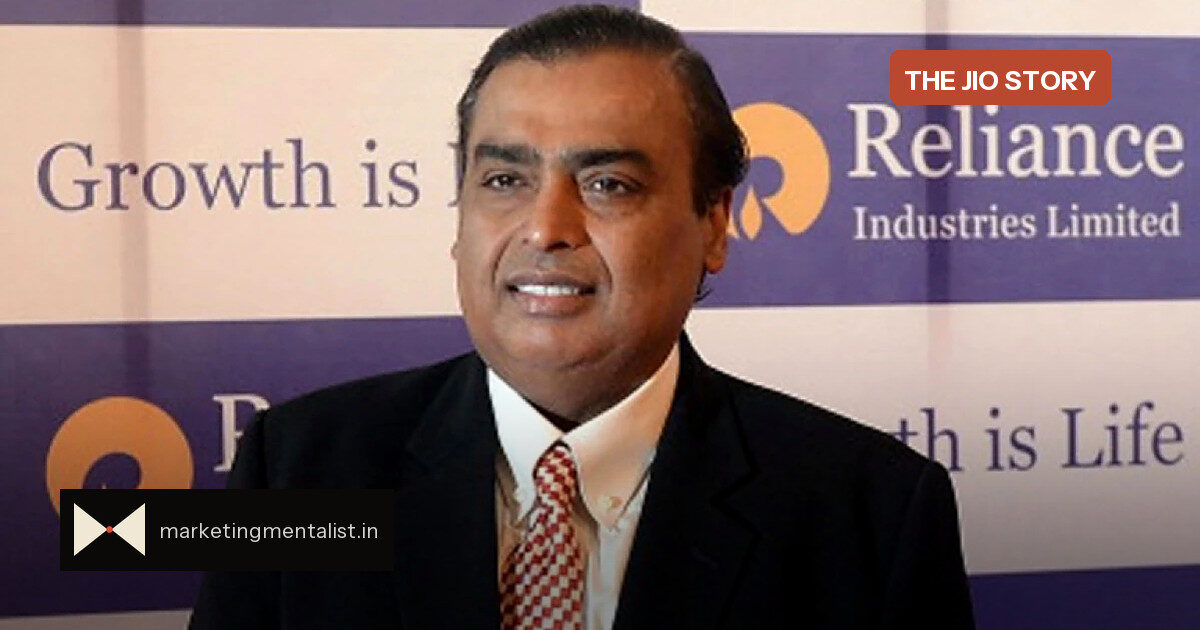
In 2016 Jio launched with the Welcome Offer: unlimited 4G data, voice, video and apps (Reliance Industries). The company reached 100 million subscribers within 170 days of launch (company-reported; Reliance Industries Integrated Annual Report 2016-17). But the detail people repeat is rarely a subscriber number. It is the first video call home: the relatives crowding into the frame, the hesitant “Dekh rahe ho?”, and the sudden feeling that data was no longer something to ration.
The memory is the message
Collective memory works differently from brand recall. Recall asks whether people recognise a name. Shared memory asks whether people can finish each other’s sentences about an experience. The first video call home became a social script, not just a personal anecdote. People know the beats before they are told: the call that should have lasted two minutes, the handoff from one relative to the next, the screen finally showing home.
That is why the moment registers as collective nostalgia. Nostalgia is not longing for the past in general. It is a feeling of having lived through a real change together. In 2016, many Indians had long treated data as a scarce, measured resource. When unlimited 4G data became part of daily life, the question India asked moved from “How much does data cost?” to “What can we do with data?” (the series’ framing line, not a statistic). The first call home is the clearest, most repeatable proof of that shift.
Why brands build on shared memories
Shared memories do three jobs that a campaign cannot do alone.
- They lower explanation cost. The memory describes the change faster than any ad can.
- They create a private in-group. People bond over having been there, even if “there” is a normal evening at home.
- They outlive the campaign window. A memory gets retold; an offer gets replaced.
For marketers, the lesson is not to manufacture nostalgia. It works when it points to a real, widely felt change in routine. The data moment touched ordinary rituals: calling home, studying, streaming, and small businesses going online. That is why the memory still carries weight.
The brand as a shared reference point
Today Jio serves 524 million+ customers (Reliance Jio Infocomm, March 2026; company-reported), and its ecosystem spans connectivity, entertainment, commerce, payments, devices, cloud and AI (Reliance Industries 48th AGM, August 2025). Its stated priorities include connecting every Indian, bringing digital services home, digitising businesses, and “AI Everywhere for Everyone” (Reliance Industries 48th AGM, August 2025).
The quieter asset is cultural. For many people, the brand name works as a shorthand for a before-and-after in daily digital life. That is not a campaign asset; it is a shared reference point. When a marketer says “my first video call home”, they are not selling a tariff. They are inviting someone into the next chapter of a story the audience already knows.
Brands looking for a similar asset should not start with a slogan. Start with the routine the product genuinely changed. Then let the audience complete the memory. Shared memory, in that sense, is not nostalgia for the past. It is the cheapest, most durable positioning tool a brand can earn.