Jio Story: The First Video Call Home That Became Everyone’s
Why "my first video call home" became a collective memory—and how shared moments do marketing work no ad can.
Ask someone about their first video call home and you will usually get a story, not a feature list. The time of day, the shaky angle, the relative who waved too close to the lens. The memory feels private. That is the trick: it was never only private.
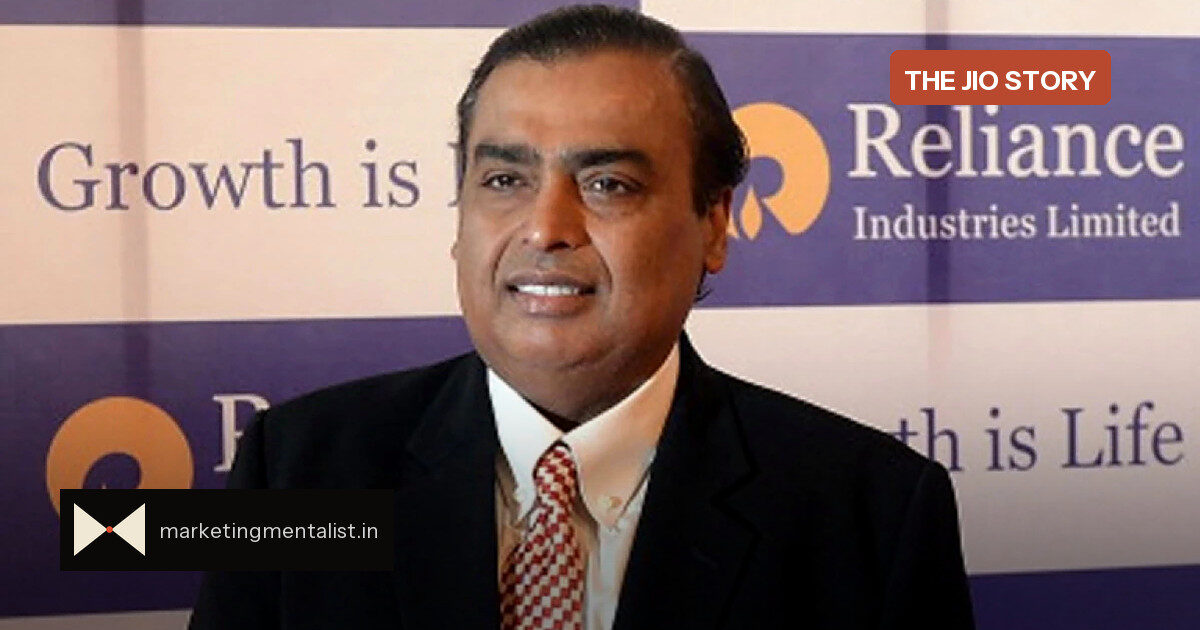
In 2016 Jio launched with the Welcome Offer: unlimited 4G data, voice, video and apps (Reliance Industries). It did not just change pricing. It gave millions of people the same first-time moment at roughly the same time.
The personal moment that repeated by the million
A first video call home is an autobiographical memory. It carries emotion, faces and place. When enough people form the same memory around the same cultural shift, it stops being just “mine” and becomes “ours”.
Jio reached 100 million subscribers within 170 days of launch (company-reported; Reliance Industries Integrated Annual Report 2016-17). That speed matters less as an operating number than as a memory threshold. It created a crowd large enough to compare notes.
The question India asked moved from “How much does data cost?” to “What can we do with data?” And the first answer, for many, was a face on a screen.
How collective nostalgia gets made
Shared memory forms when three things overlap: a clear before-and-after, a personal emotional peak, and enough retelling. People do not remember a tariff. They remember calling home from a hostel, or showing a new baby over video. The brand becomes the quiet background detail that makes the scene possible.
Collective nostalgia works similarly to a memory palace. The more people repeat the same scene, the more available it becomes, and the easier it is for a brand to cue it later without explanation.
- A shared memory needs a legible before-and-after, not just a feature
- The memory must be personal enough to retell and common enough to match
- Repetition by millions turns a service moment into cultural shorthand
Why brands keep building on shared memories
Shared memory is an underused brand asset because it lowers the cost of meaning. If your audience already holds the memory, you do not have to introduce the feeling. You only have to show the cue and let the recall do the work.
This is why the 2016 data moment still appears in brand storytelling years later. The ecosystem today spans connectivity, entertainment, commerce, payments, devices, cloud and AI (Reliance Industries 48th AGM, August 2025). The stated priorities remain to connect every Indian, bring digital services home, digitise businesses, and work towards “AI Everywhere for Everyone” (Reliance Industries 48th AGM, August 2025). But new promises land more easily when they can attach to an old shared scene.
The brand’s job is not to own the memory. It is to keep it warm and let customers retell it.