
Jio’s Decade: From Rationed Data to Invisible Utility
In 2016, unlimited data rewired Indian habits. From cyber cafés to always-on pockets, here's what the shift means for consumer psychology.
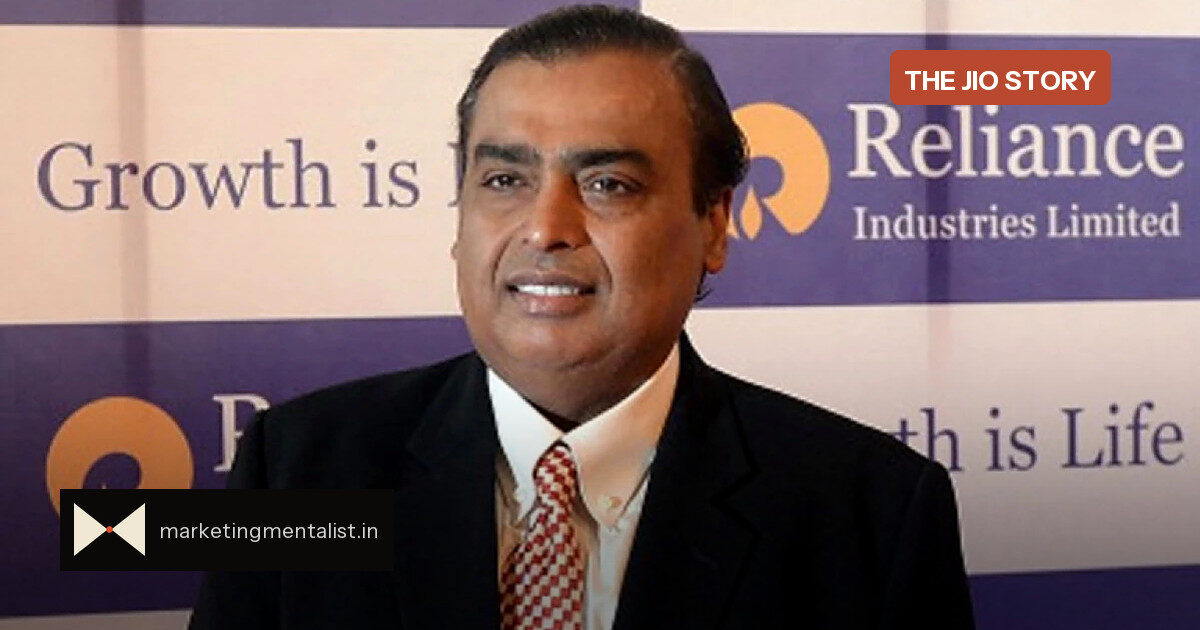
In 2016, Jio launched with the Welcome Offer: unlimited 4G data, voice, video and apps (Reliance Industries). The visible story was cheaper connectivity. The behavioural story was bigger: the reference point for what “normal” internet use feels like changed.
Before that, data was a metered treat. People switched it off after checking email, waited for night packs, or walked to the cyber café. Data had a budget and a small daily calculus. The phone was a tool; the connection was a cost.
The mental switch from rationing to abundance
When a resource stops being metered, people stop tracking it. Data moved from a budget line to background infrastructure. That is a change in mental accounting: the same video, music, maps or call no longer triggers a tiny mental deduction.
The launch also showed how quickly new habits form when a constraint disappears. The company reported 100 million subscribers within 170 days of launch (company-reported; Reliance Industries Integrated Annual Report 2016-17). By March 2026, Jio reported serving 524 million-plus customers (Reliance Jio Infocomm; company-reported).
Everyday shifts marketers should read
For marketers, the decade is not only a connectivity story. It is a story of everyday defaults changing.
- The cyber café gave way to a phone in every pocket as the default internet entry point.
- Data moved from a household budget line to an invisible utility powering maps, payments, video calls and entertainment.
- Content shifted from careful downloads and forwarded files to ambient streaming, reels and live moments.
- The question India asked moved from “How much does data cost?” to “What can we do with data?”
These shifts change what people notice. When data is abundant, consumers do not evaluate a video call by its megabytes; they evaluate it by whether it connects them to someone.
From data scarcity to attention scarcity
In an always-on pocket, the scarce resource is not data. It is attention. Brands that still market as if people are protecting megabytes are speaking to yesterday’s anxiety. The modern buyer’s question is more direct: is this worth my time and screen?
Reliance Industries’ 48th AGM in August 2025 described Jio’s ecosystem spanning connectivity, entertainment, commerce, payments, devices, cloud and AI, with stated priorities to connect every Indian, bring digital services home, digitise businesses, and pursue “AI Everywhere for Everyone.” For consumer psychology, the implication is simple: utility has become ambient, and the next differentiator is relevance, ease and emotional meaning.
The cyber café was a destination. The pocket is a companion. Marketers who understand that distinction will not try to win on data; they will design for the uninterrupted, low-friction moments where decisions actually happen.


