Jinro Soju Grows as US Drinking Drops to 54%
Jinro soju remains the world's top-selling spirit by volume while U.S. adult drinking drops from 62% to 54%. Its edge: a ritual, not a bottle.
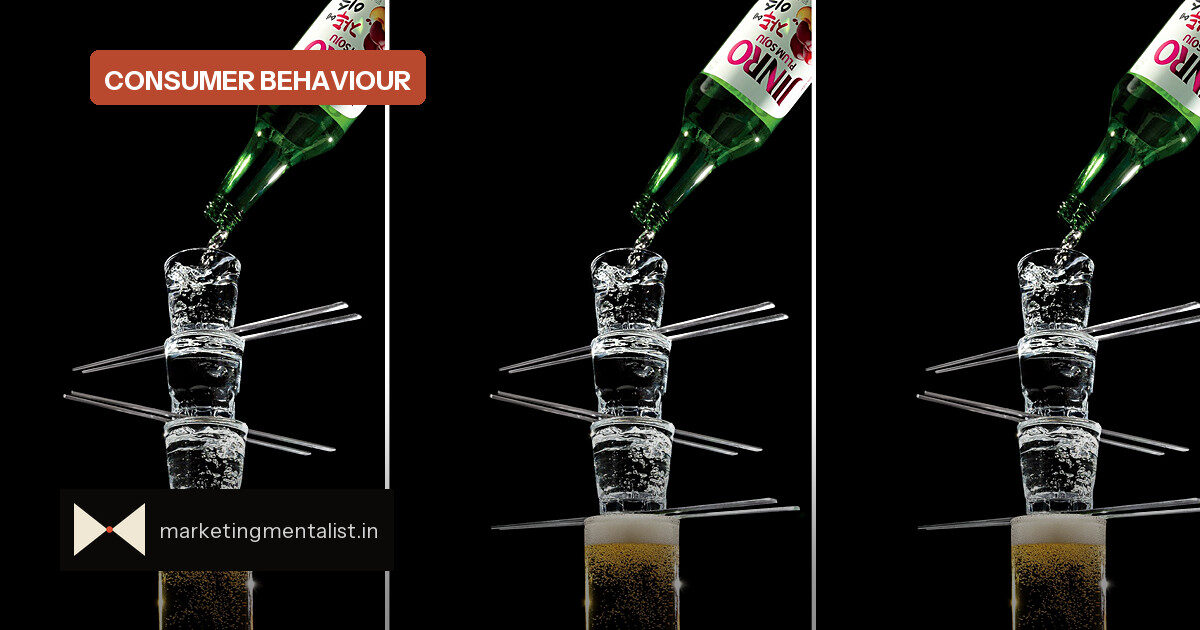
When actor Daniel Dae Kim appeared on The Tonight Show to promote his CNN series K-Everything, he did more than entertain. He gave viewers a quick masterclass in somaek, the Korean ritual of mixing beer with soju. Kim described it as “like a boilermaker,” then walked Jimmy Fallon through the steps: rest a shot of Jinro soju on chopsticks above a half-full glass of Terra beer, slam the table, and the shot drops in. The glasses clink, the room shouts “Geonbae!” and everyone drinks.
For HiteJinro, which owns both Jinro and Terra, it was earned media at its best. In a few minutes, Kim had shown why Jinro is the world’s top-selling spirit brand by volume. The advantage is not just the liquid; it is the communal script around the bottle.
Soju is winning where the category is shrinking
The backdrop makes that cultural moment more striking. Alcohol consumption in the U.S. is falling. Fast Company reports that the share of U.S. adults who say they drink dropped from 62% in 2023 to 54% last year. Inflation and changing habits are pushing consumers away from alcohol. Yet soju is described as a bright spot.
Soju is usually made by fermenting rice into wine and then distilling it into a clear, neutral spirit. But the growth story is less about distillation and more about belonging.
Ritual is the real product
Soju’s edge is not a flavour innovation or a pricing trick. It is a repeatable social script. There are rules—the youngest person should pour, for instance—and every step builds a sense of occasion. In the Fallon clip, Kim even handled the pouring himself, which made the ritual feel welcoming rather than fussy.
This is ritual branding. When a product attaches to a specific sequence of actions and social meanings, it stops being a commodity. It becomes a way to participate. The job consumers hire the product to do changes from “give me a drink” to “let me host a shared moment.”
What marketers can borrow
Brand managers do not need to be in alcohol to learn from Jinro. The tactical takeaways are clear:
- Package the script, not just the product. Give buyers a repeatable routine they can teach others.
- Let culture carry the message. A talk-show demo can outperform a polished ad because it feels like social proof.
- Anchor on participation. The brand that becomes the centre of a group moment gets bought by the whole group, not one person.
Consumers are cutting back on entire categories all the time. The brands that survive are rarely the ones that simply shout louder. They are the ones that make the next purchase feel like a small ritual people want to repeat and share.
Source: Fast Company