Gowardhan Ghee turns a KBC joke into an ambassador deal
Consumers linked Saif Ali Khan to Gowardhan Ghee long before any contract existed. The brand formalised that buzz into an ambassador role. Here's the lesson.
From quiz-show reward to brand campaign
When Saif Ali Khan answered the tenth question on Kaun Banega Crorepati 18 in September, the prize was neither cash nor a car. Host Amitabh Bachchan offered him a two-year supply of Gowardhan Ghee. The gesture was meant as a playful reward, but viewers turned it into something closer to a brand brief.
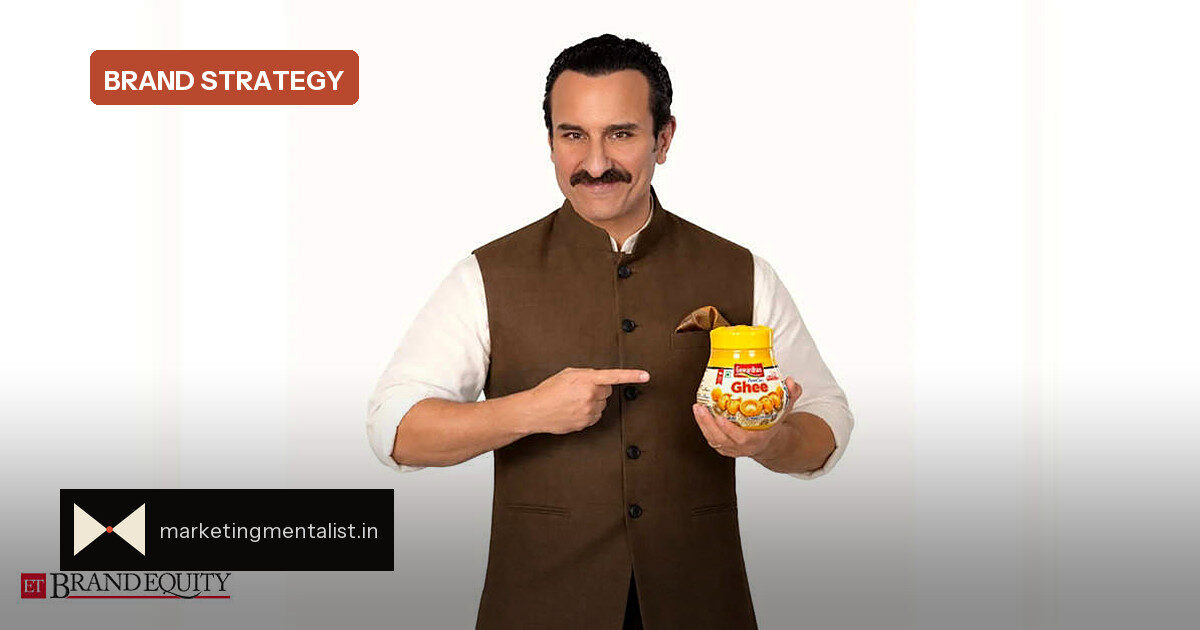
Parag Milk Foods has now made Khan the official brand ambassador for Gowardhan Ghee. He will appear across the brand’s television, digital and retail campaigns. Akshali Shah, executive director at Parag Milk Foods, explained that the association grew from consumer sentiment rather than a traditional endorsement plan.
“We saw an opportunity to build on this genuine consumer sentiment and take it forward.”
That quote is the strategic centre of the story: the audience created the pairing before the brand paid for it.
Fans did the positioning work
After the September interaction, social media users asked the brand to deliver the promised supply. When Khan joined Instagram in October, followers brought the ghee up again in the comments on his first post. Gowardhan Ghee responded with a collaborative video: Khan asks followers to move on from the ghee conversation, before a room stacked with Gowardhan Ghee packs is revealed. The film was widely shared.
This is audience-led positioning in action. The brand did not need to explain why Saif Ali Khan fits ghee; thousands of people had already made the connection public and playful.
Why the psychology works
Traditional celebrity endorsement usually runs on familiarity and aspiration. Here, the mechanism is closer to consistency and social proof. Once a large group publicly repeats the same association, it begins to feel natural. The brand is not introducing a new fit; it is agreeing with a norm consumers have already accepted.
- Social proof: fans built a visible link between Khan and the category before any campaign ran.
- Earned memory: the association carries the quiz-show story rather than relying only on paid repetition.
- Playful response: the brand matched the tone of the joke instead of managing it away.
What marketers can borrow
Set up social listening for moments when culture volunteers a brand association. If the moment is harmless and on-category, respond fast with light creative, then formalise the fit. The danger is over-production: a joke that gets over-explained usually stops being funny. Gowardhan kept the fan energy while moving to a commercial relationship.
For brand managers, the stronger signal is that social listening should sit next to creative development, not after it. The sequence matters: the joke appeared, fans amplified it, the brand reacted, and only then did the ambassador deal arrive. Reverse that order and the same campaign would feel forced.
The next test is execution. Can the campaign keep its “consumers made this happen” charm once it scales across television and retail? If it can, this becomes a useful model for turning a cultural spark into a durable brand strategy.