The generosity boom is really reputation marketing
Anthropic pledges 5% of its value to a public fund, Musk promises SpaceX shares for kids, and Washington mails $500 checks—but the real currency is public favour.
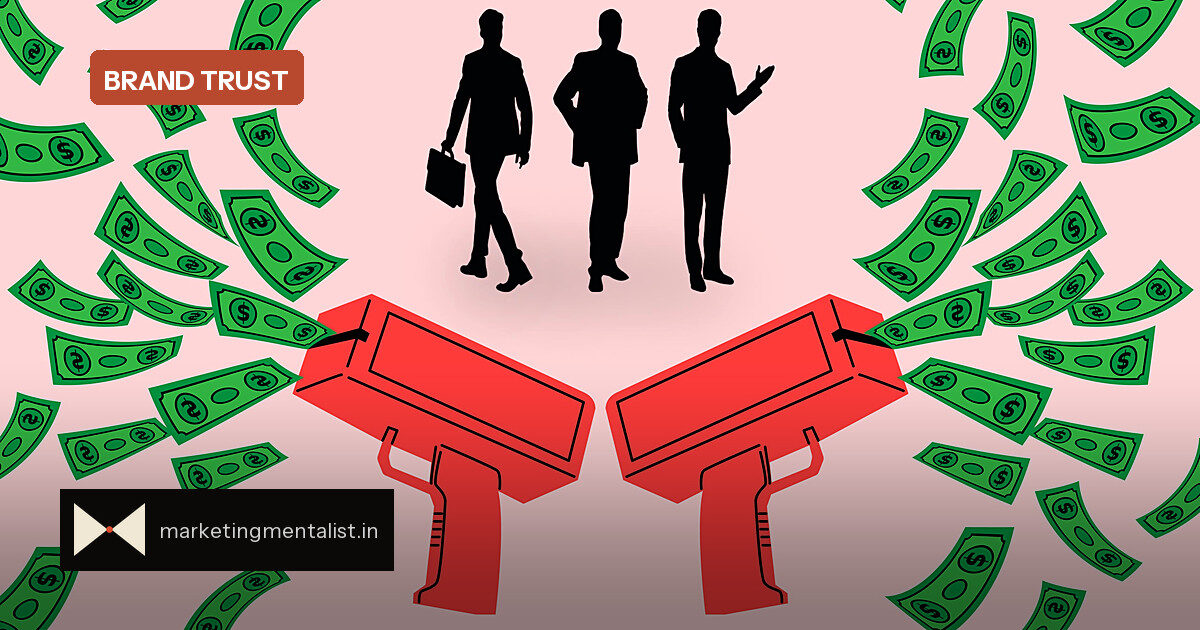
Something strange has happened among America’s most powerful players: they suddenly can’t give money away fast enough. Washington has mailed $500 checks to nearly a million Healthcare.gov users. Anthropic, the AI company reportedly valued at nearly $1 trillion, has proposed a Public Benefit Fund pegged at 5% of its overall value. And Elon Musk has pledged to give “every kid in America” a share in SpaceX.
The natural reaction is to call it generosity. But the real story is more interesting—and more instructive for every brand manager reading this. Each of these moves doubles as reputational marketing, carefully designed to shift public sentiment in a specific direction.
The political play is the bluntest
The government checks don’t arrive quietly. They come with a letter ostensibly from President Trump that attacks Democrats and promises to lower healthcare costs. If that’s not explicit enough, the White House has floated a $5,000 “Trump dividend” for every adult citizen—but only if Republicans keep control of both the House and Senate.
That’s not charity. That’s persuasion with a dollar sign attached. And so far, voters seem to see through it. They are sceptical the $5,000 dividend will ever arrive, which tells us something about the limits of conditional generosity as a trust-building tool.
AI’s generosity is a counterweight to fear
The artificial intelligence firms face a different problem. For years, their enormous promises have come with warnings of enormous risks—job losses, energy-hungry data centres, even the sci-fi prospect of humanity being wiped out. Some critics have accused AI leaders of “doomsday marketing”: playing up the dangers to make themselves seem essential.
Anthropic’s 5% pledge flips the script. It gives the company a happier talking point that focuses on potential upside rather than apocalyptic scenarios. It also offers a ready answer to the fear that AI wealth will flow only to investors. The move is smart marketing because it gives people a concrete stake in the technology’s success—or at least the feeling of one.
What makes generosity marketing work
Anthropic’s approach has precedents. Salesforce, Google and others have set aside corporate equity for social purposes. Mark Zuckerberg and Priscilla Chan have pledged most of their Meta shares toward a philanthropic LLC. The framework is simple: give away a slice of future value now to buy social licence for what you plan to do later.
But the source quotes one critic who says the real aim is “trying to curry public favor.” That observation gets to the heart of it. Public favour is a strategic asset for any organisation that plans to reshape society—whether it’s a tech giant or a political party.
- Concrete beats vague: Anthropic’s 5% stake is real and auditable, not a fluffy promise.
- Strings erode trust: Voters doubt the $5,000 dividend precisely because it comes with conditions.
- Timing matters: Giving while fear is high reads as reassurance, not opportunism.
The lesson for marketers is direct. If your brand asks people to accept risk, change or disruption, pair that ask with something tangible they gain—and make sure it doesn’t look like a bribe with a catch.
Source: Fast Company