The CMO Signs the Ads. The CEO Signs the Brand
Why Tony Hsieh built Zappos without call scripts or call-time targets—and why the CEO, not the CMO, signs the real brand. A Branding lesson.
At a 2010 book event in Los Angeles, Zappos CEO Tony Hsieh did not take the obvious route. Instead of pitching Delivering Happiness, he handed the microphone to a woman who had joined the company about two weeks earlier and asked her to tell the room what working there felt like. Navin Narayanan, who was in the audience, remembers that she described learning to handle calls, helping customers, and the freedom to try her own ideas. Hsieh then opened the floor to questions and never once pitched the book.
That moment only worked because the brand had already been built somewhere marketing departments rarely control.
The real brand decisions were operational
Zappos became known less for shoes than for service. Hsieh refused to give the call centre scripts, and he refused to judge it by average handling time. He called the telephone one of the best branding devices a company has, and he ran it that way. Long calls were treated as good calls, not as a cost to be minimised. Those choices built the customer loyalty that made Zappos a business school case and an Amazon acquisition in 2009.
- No scripts for customer calls
- No quotas or average-handling-time targets
- Employees free to do right by the customer
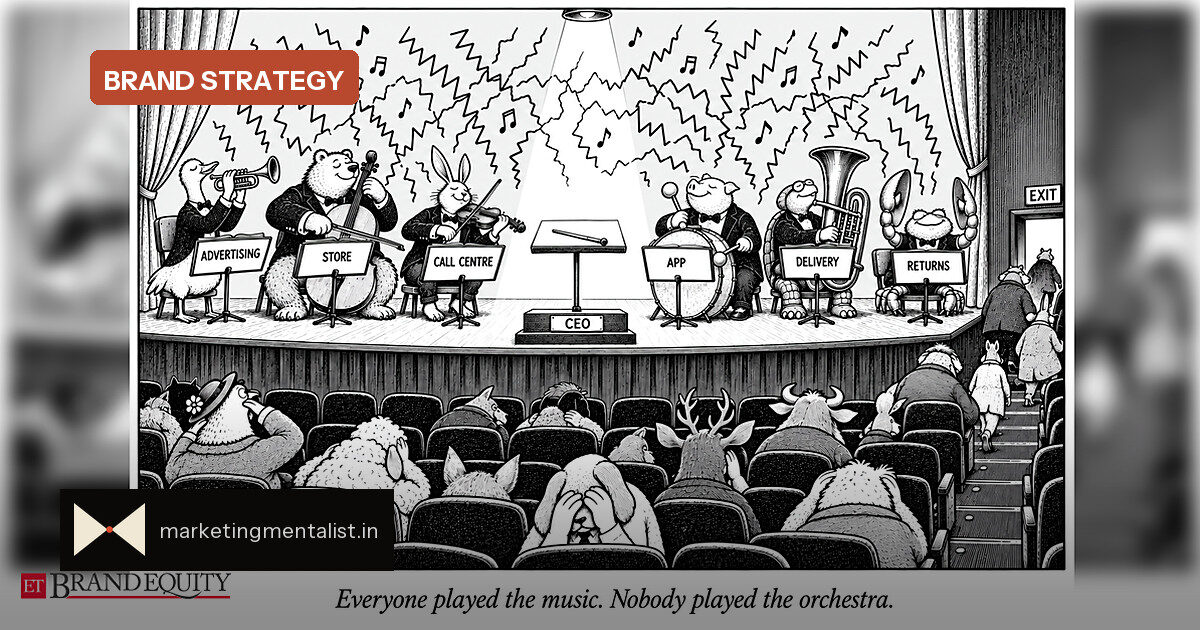
Most organisations run this differently. The call centre sits under operations, is measured on average handling time, and follows scripts to keep calls short. Meanwhile, marketing publishes a brand book that promises warmth. The customer never meets the brand book. The customer meets the call centre, and the call centre decides which story is true.
Who really signs the brand?
Somewhere along the way, brand came to mean the work of the brand marketing function: campaigns, guidelines, tone of voice. Those matter, but the impression a customer carries away is shaped by what the company measures, whom it hires, what it refuses to do, and how it treats people when nobody is watching. Only one role signs all of those decisions.
As Narayanan puts it, “The CMO signs the ads. The CEO signs the brand.”
Listening can be learned
Stories about leaders such as Hsieh, Steve Jobs and Howard Schultz can sound like rare talent. Narayanan argues the opposite: what they did by instinct, a leadership team can do by design. He has watched CEOs spend two or three hours in customer conversations, not asking questions, just listening. They hear how customers describe their lives, the category, and the company’s disappointments. Those leaders remember the conversations as people, not as chart points.
A CEO who hears customers directly—raw and unfiltered—has evidence for every decision that touches them: call-centre targets, returns policies, delivery promises.
Try the test yourself. Picture your next big launch, and imagine handing the stage to someone who joined your company two weeks ago. What would they tell the audience about you?
Source: ETBrandEquity.com