
Clinic Plus Flips Its Mother-Daughter Story for Daughters’ Day
Clinic Plus's Daughters' Day film reverses its long-running #MeriBetiStrong platform: the daughter becomes the mother's anchor. Here's why the shift works.
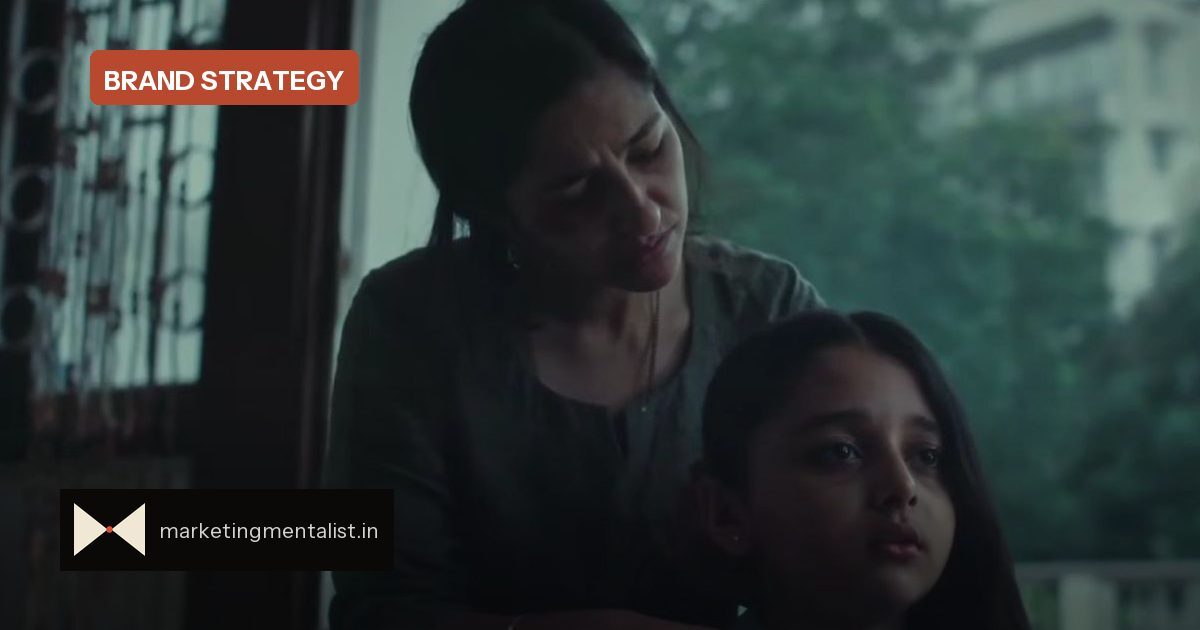
Most mother-daughter brand films move in one direction: a mother teaches her daughter to be resilient. Clinic Plus’s Daughters’ Day film keeps #MeriBetiStrong but reverses the emotional flow. The daughter who received strength earlier in life becomes the person who returns it.
A familiar story told from the other side
The film opens at a book launch where a poet is asked about the inspiration behind her collection. She points to her daughter, and the narrative slips into a flashback. As the daughter grows up, she starts noticing the compromises her mother makes in her marriage. Relatives keep telling the mother to adjust, but the daughter helps her imagine a different path. The closing scene returns to the launch, where the mother names her daughter as her anchor.
The campaign line, “Maa ki Majboori nahi, Beti Hoti hai Maa ki Mazbooti,” sets up the argument: a daughter is not a mother’s burden or the reason she adjusts; she is the strength that helps her choose differently.
Why this is a branding lesson, not just a film
Clinic Plus has spent years owning the mother-daughter strength narrative. The easy move would be another “mother empowers daughter” execution. Instead, the brand held the core idea and changed the perspective. That is how long-running platforms avoid decay: you evolve the lens, not the line.
Harman Dhillon, executive director, beauty & wellbeing, HUL, describes the film as a celebration of a shift: “A mother raises her daughter to be strong, empathetic, and independent, and one day, that becomes the mother’s greatest anchor.” The brand also anchors the story in a concrete audience, dedicating it to the 1.3 crore single mothers across India. That specificity does the work of a targeting insight: it signals who the brand is speaking to without saying it loudly.
The psychology of the role reversal
Role-reversal stories get attention because they break a learned script. When the daughter begins to see her mother’s compromises, many viewers recognise their own family dynamic. That recognition creates an emotional mirror. Then the film offers a small act of agency—the daughter supports the mother’s choice—so the feeling is not just sadness or guilt, but possibility. The brand becomes the relationship’s ally, not the hero.
There is also a subtle widening of the audience. The film speaks to mothers who see their strength reflected back and to daughters who want to give that strength. A single story can serve two generations if the emotional payoff is shared.
What marketers can borrow
- Keep the equity, rotate the point of view. A new protagonist can refresh a mature brand idea without rebuilding memory structures.
- Anchor on a specific cultural truth. The pressure to “adjust” is the conflict; the daughter’s support is the resolution.
- Let the brand stay in the background. Clinic Plus enables the relationship instead of interrupting it with product claims.
For storytelling-led brands, the lesson is simple: emotional platforms rarely die from age; they die from repetition. A perspective flip can make a familiar relationship feel new while preserving years of accumulated meaning.
Source: Afaqs!