Cheesecake Scarcity Is Fueling a 36-Outlet India Expansion
The Gourmet Cafe plans 36+ India outlets in five years and a multi-brand play. The real story is how scarcity and anticipation built demand first.
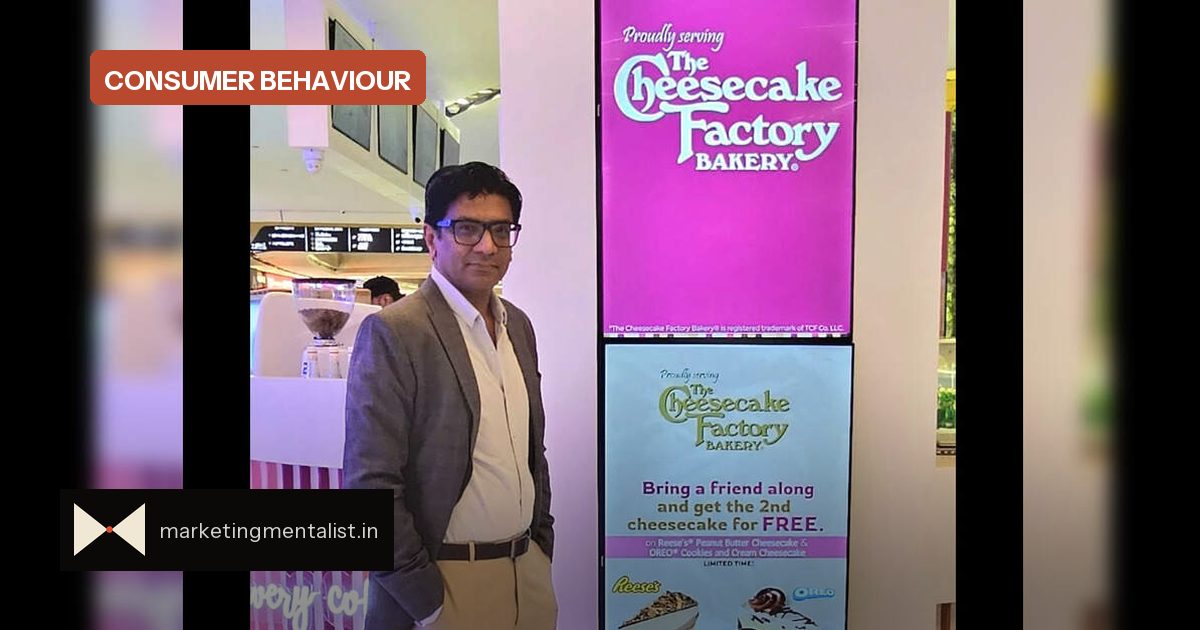
The Gourmet Cafe is scaling from a single product obsession into a curated platform. The company, which first brought The Cheesecake Factory Bakery’s cheesecake portfolio to India, now says it will build a 36+ outlet footprint over the next five years and develop a multi-brand portfolio of global food and hospitality concepts.
Founder and CEO Masthan Adam framed the move as a response to demand, not just ambition. “We are seeing strong demand from consumers across India for the propositions being brought to market through The Gourmet Cafe, with interest extending well beyond Bengaluru,” he said.
The Outlet Count Is the Least Interesting Number
For consumer psychologists, the more useful detail is the sequence. Demand did not follow nationwide distribution. It preceded it. Consumers outside Bengaluru wanted a product they could not easily buy yet. That turns an expansion update into a study of anticipation.
When access is limited, perceived value can rise. This is the scarcity heuristic at work: hard-to-get things are processed as more valuable and more worth pursuing.
Three Forces Compounding Desire
Premium cheesecake in this situation benefits from three psychological levers:
- Novelty: a first-to-market international product feels like discovery, not commodity.
- Geographic scarcity: early concentration in Bengaluru made the product feel like an insider privilege.
- Social proof: visible interest across cities reinforces the sense that others are already waiting.
Together, these do not just create demand. They create the kind of pre-launch tension that makes people follow updates, join waitlists and talk about the brand before a single new outlet opens.
This pattern matters beyond restaurants. When a global specialty brand enters India, early adopters in one metro generate content and word-of-mouth that pull in consumers from other cities. A city launch can therefore be both a market test and a national awareness engine.
Behavioural economists sometimes describe this as anticipation utility: the pleasure we get from looking forward to an experience can rival the pleasure of the experience itself. For premium indulgences, building a visible pipeline can be as valuable as building the store.
Scarcity Plus Halo Effect
The shift from single-brand chain to multi-brand curator is another behavioural play. A brand that successfully brings one desirable global product to India can transfer that credibility to its next launch. Psychologists call this the halo effect: one strong positive impression colours how we judge the rest of the portfolio.
For The Gourmet Cafe, the cheesecake is not only a product line. It is proof of taste, sourcing ability and positioning. That proof becomes the launchpad for other international concepts.
What Brand Managers Should Borrow
You do not need national distribution to build national demand. You need a credible product, visible proof of interest, and a distribution gap wide enough to make people wait.
Phased rollouts can be demand-generation tools, not merely logistical constraints. Test through city-level waitlists, pre-orders or social listening before investing in footprint. Let early demand become the story.
But scarcity only works when the product is genuinely desirable and the delay is credible. Artificial scarcity without quality or proof can feel like a gimmick and erode trust quickly.
Source: ETHospitalityWorld.com