The psychology of ChatGPT’s first ad campaign
ChatGPT's first ad campaign turns the chat window into a media channel. Here are the behavioural levers behind the launch and what marketers can borrow.
The ad in one paragraph
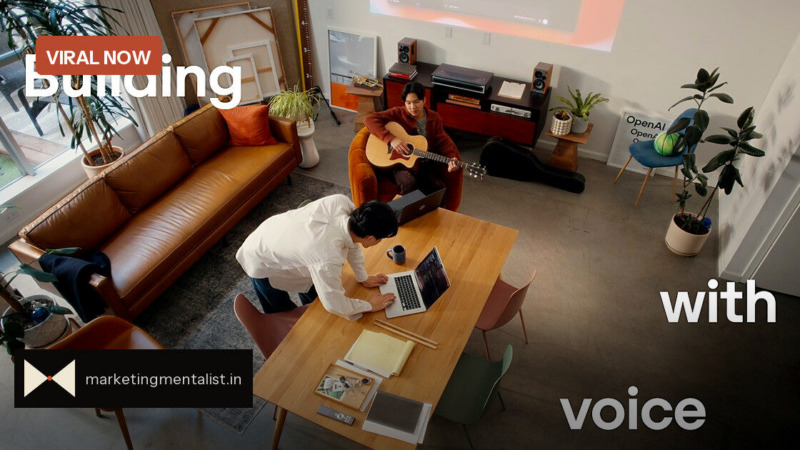
The film is ChatGPT’s first major ad for its new advertising layer in India. It is aimed at two audiences at once: the Indian user who will now see ads beneath ChatGPT answers, and the marketer who can buy those moments by views, clicks or conversions. The tone is self-aware and attention-seeking — a polite but pointed title, “For Your Kind Attention, Please”, that treats the ad itself as the product.
The levers it pulls
The film leans on a few behavioural principles in sequence.
- Salience bias. The film name-checks the ask: it asks for attention while it already has attention. That makes the ad format itself unmissable and a little playful.
- Contextual relevance. OpenAI says ads are selected based on conversation context, advertiser targeting and the ad’s relevance to user intent. The ad arrives at the exact moment a user is asking something related, so it feels less like an interruption.
- Trust transfer. ChatGPT states that ads do not influence its answers. By keeping the ad separate from the advice, the platform protects the credibility of the host, and the ad borrows a little of that trust.
A second-price auction sits underneath: the winning advertiser pays based on the next-highest eligible bid, rather than its maximum bid. That keeps early experiments gentler.
What it does for the brand
It turns ChatGPT from a research tool into a media owner. The India launch on August 27 brought more than 50 brands onto the platform through WPP and Omnicom. A self-serve ads manager followed on September 4, with daily budgets starting at ₹725.
Early advertisers are treating it as a laboratory. KFC India’s CMO Suhayl Limbada says the chain did not want to wait for an established playbook. “We’d rather get in early, learn how consumers behave in this environment, and help write the playbook.” Its ₹99 Chicken Krisper Meal campaign answered a real user question — what can I eat for under ₹100 — rather than making an ad about ChatGPT.
UNIVO Education reports ChatGPT has delivered conversion rates double or triple those on some traditional channels. ixigo Group is testing flights, trains and buses through ixigo, AbhiBus and ConfirmTkt. The brand message is clear: ChatGPT is now a place where purchase research starts.
What to borrow for your next campaign
- Write for the question, not the platform. KFC’s “under ₹100” insight is the creative brief. Find the query your product genuinely answers and build the ad there.
- Treat relevance as a targeting input. Preetham Venkky of Omnicom Advertising India notes that if an ad isn’t getting clicks or users don’t find it relevant, it can be deprioritised. Creative and context do more work than the bid.
- Use innovation budgets to learn. WPP says early investments are coming from incremental or innovation budgets. The playbook is being written by brands willing to test rather than wait.
Keep your first AI-native campaign small, contextual and useful. The medium is already rewarding ads that behave like answers.
Watch the original: ChatGPT on YouTube
Source: ETBrandEquity.com