Energy Drink Label on Trial in India’s $1.6B Market
India's regulator says PepsiCo and Monster used 'energy drink' labels to dupe buyers. What the label fight means for brand managers.
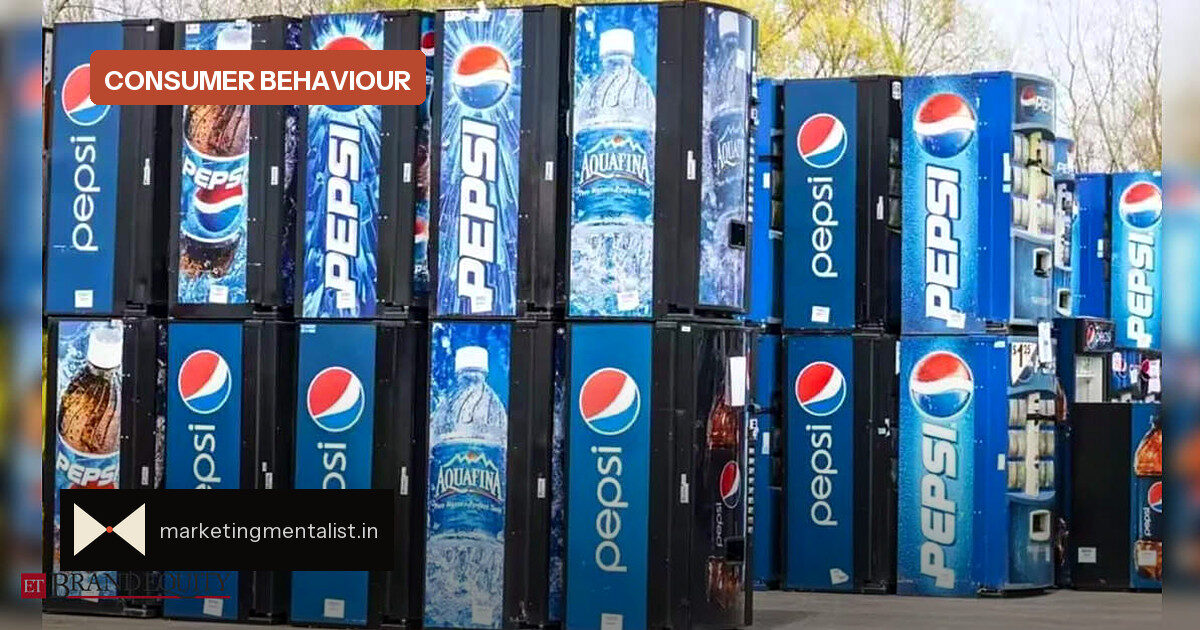
The language on a can is doing more work than most brand managers admit. That is the core of a legal fight in India, where the food regulator has accused PepsiCo and Monster Beverage of using the label ‘energy drink’ to dupe consumers.
Court filings dated October 28, reviewed by Reuters, show the Food Safety and Standards Authority of India defending a June decision that bars the term ‘energy drink’. The Delhi High Court has allowed the companies to exhaust old labelled stock but not to print it on new stock. The next hearing is due later this week.
Why a label becomes a market
The category is not small. Euromonitor expects the Indian energy drink market to reach USD 1.6 billion by 2028, growing at 12.6 per cent annually, faster than the US and China. PepsiCo’s Sting, launched in 2017 at a 21-cent price point, helped popularise the segment. Monster is fighting the same ban.
That growth makes the phrase ‘energy drink’ a positioning asset, not a technical description. It frames a high-caffeine, high-sugar product that also contains taurine as a functional choice. Remove the label and the same can competes in a much less flattering mental category: a sugary caffeine soda.
The regulator’s argument
FSSAI says India has never established standards for an energy drink category. Its filing is blunt: Purposely in order to dupe the consumers, a product is being marketed as a ‘Energy Drink’. The agency also points to public health risk, citing caffeine, sugar and taurine.
The dispute is wider than two brands. Red Bull, Hell Energy and Reliance Consumer have filed their own challenges. Globally, the direction is tightening: England has announced a ban on such drinks for under-16s from April next year.
What this means for your brand
This is a naming-rights case. Whoever controls the category label controls what consumers infer before they read the nutrition panel. For brand managers, the practical lesson is to treat category language as a claim:
- Audit the words on pack, site and ads; ask what benefit a buyer would infer.
- Keep evidence for any functional or wellness promise.
- Prepare alternative descriptors now, before a regulator forces a rushed redesign.
- Watch global policy; safety decisions in one market tend to travel.
A label is cheap to print but expensive to defend poorly. With a $1.6 billion market at stake, the real contest is about who gets to define the category.
Source: ETBrandEquity.com