Johnnie Walker’s first India-inspired Blue Label in 200 years
Johnnie Walker has launched its first India-inspired Blue Label festive blend in nearly 200 years, turning Indian flavour cues into luxury Scotch.
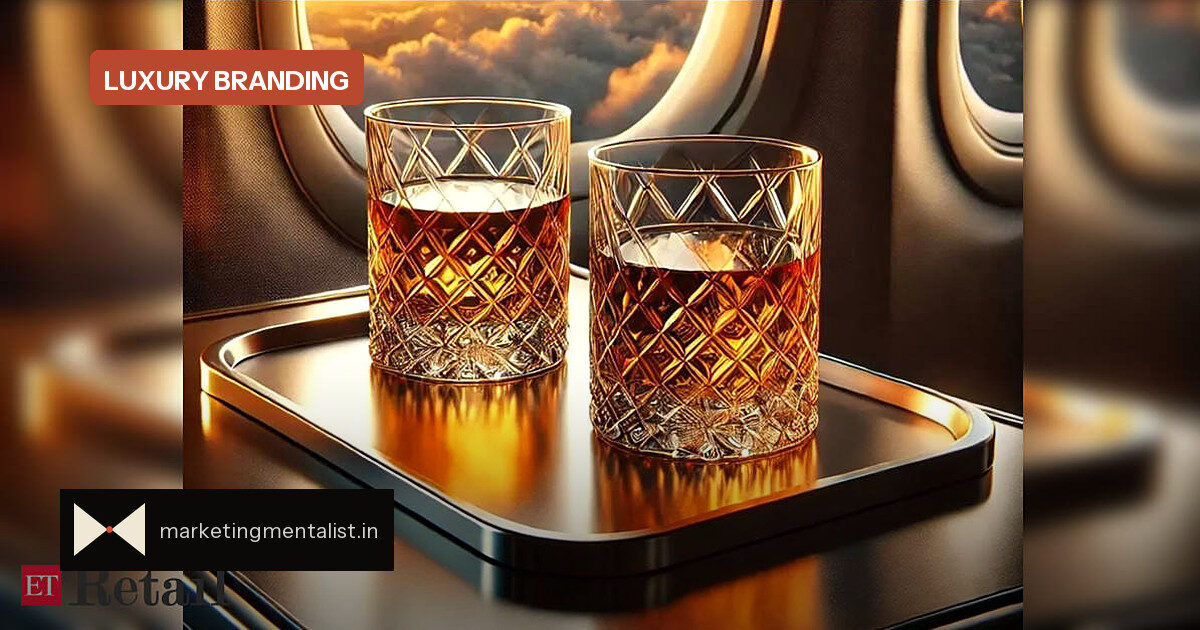
For almost two centuries, Johnnie Walker’s Blue Label has been a global shorthand for rare Scotch. Now the Diageo-owned brand has done something it has never done before: built a limited-edition festive blend around India’s flavour memory.
The Johnnie Walker Blue Label Festive Blend, crafted by Master Blender Dr Emma Walker, will be available in India, the UK, the US and global duty-free channels. It is the first India-inspired Blue Label in the brand’s near-200-year history.
Not just a local label
The liquid itself is a deliberate borrowing of Indian sensory codes. The company says it draws on rare whiskies from an inventory of more than 10 million casks. Only one in every 10,000 casks is considered deep enough for Blue Label, and even fewer made it into this release.
The flavour references are explicit: cardamom, saffron, rosewater and citrus, rounded by honey, chocolate-dipped fruit, warm spices and a faint smoke. Dr Emma Walker says the inspiration is the way Indian chefs balance bold spices with many different tastes.
Why India, and why now
India is the world’s largest whisky market by volume and the largest importer of Scotch. The Scotch Whisky Association counted India as the top export market for Scotch by volume in 2025, equivalent to more than 220 million bottles.
The India-UK free trade agreement, in force since July 15, 2026, is also changing the economics: import duty drops from 150 per cent to 75 per cent, with a phased route to 40 per cent over a decade. That makes premium Scotch more reachable at the same moment Indian drinkers are trading up.
Ruchira Jaitly, chief marketing officer at Diageo India, describes the shift as two-sided. India is shaping the category’s future, she says, while consumers want “luxury experiences that feel more distinctive, immersive and culturally relevant.” For decades, India was mostly a volume story; now it is supplying cultural codes for a global luxury product.
The psychology to borrow
For brand managers, this is cultural localisation at the top of the pyramid. A few moves are worth noting:
- Local codes, not local dilution. The global brand stays premium; India supplies the flavour story.
- Scarcity with a number. “One in 10,000 casks” makes rarity feel concrete and earned.
- A named expert. Dr Emma Walker’s craft gives the launch legitimacy beyond the marketing claim.
- Cultural pride as status. The blend lets Indian consumers feel the global icon is reflecting them, not just selling to them.
What to do with it
If your brand goes local, borrow a market’s sensory or ritual codes and wrap them in your global equity. Name the craftsperson, sell the rarity, and keep distribution tight. Done poorly, this feels like token packaging; done well, it makes luxury feel personal, culturally fluent and worth the premium.
Source: ETRetail.com