Differentiation starts with customer problems, not tech specs
ServiceNow's CMO on why B2B brands should lead with buyer problems, balance pipeline and brand, and win visibility before AI-led buying journeys.
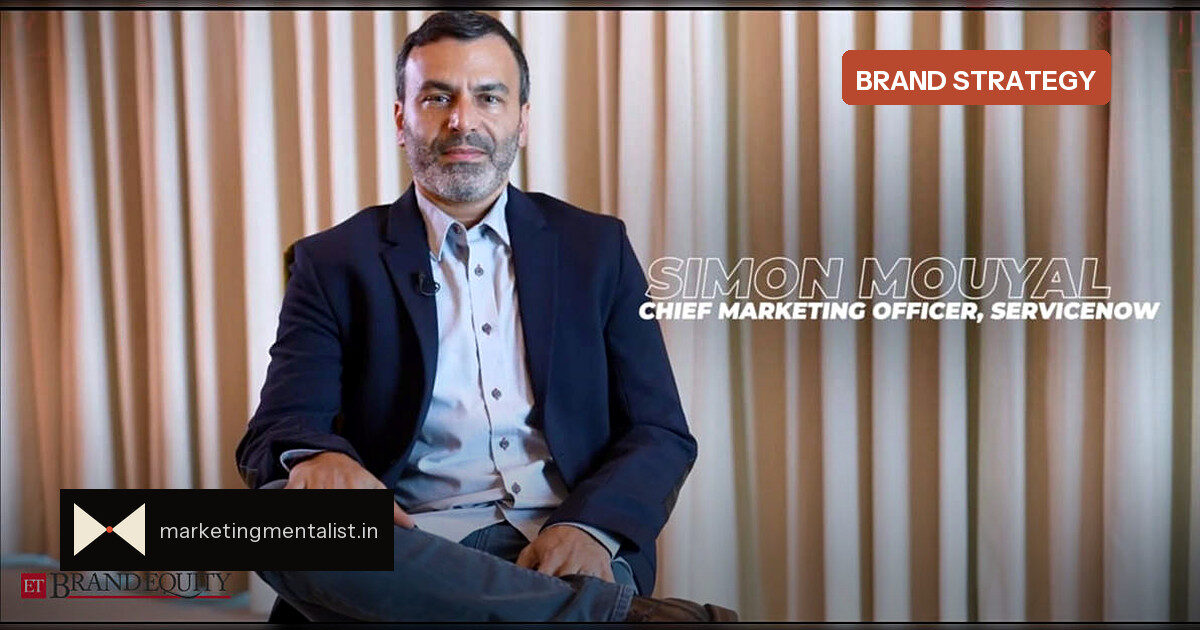
Most enterprise technology brands already speak the same language. Add generative AI to the mix, and every competitor can produce polished content at speed. In Season 4 of ETBrandEquity.com’s Conversion Conundrums, ServiceNow chief marketing officer Simon Mouyal told Anirban Roy Choudhury that the real risk is not feature parity—it is becoming indistinguishable. His response: differentiation begins with the problems buyers need to solve now, and the ones they will run into next.
Lead with a problem, not a platform
Mouyal, who has held marketing leadership roles at Microsoft, HP, Athenahealth and ServiceNow, says AI tools have made marketing execution more accessible. That shifts the burden toward understanding buyers. He argued that marketers should translate complex technology into customer outcomes rather than lead with technical capabilities.
He cited two ServiceNow narratives. The ‘Shift Zero’ cybersecurity story is built around helping security teams stop vulnerabilities before they escalate into breaches. The ‘control tower’ story gives organisations visibility into operations and the ability to govern systems, identities and AI agents. In both, the brand starts with a challenge the buyer already recognises.
- Identify the customer problem you solve today and the next problem they will face.
- Frame your offering around the outcome, not the architecture.
- Use a clear narrative, like ServiceNow’s Shift Zero, to make that shift memorable.
Pipeline first, brand forever
B2B marketers often feel the gap between long-term brand building and weekly pipeline targets. Mouyal is pragmatic. “Driving pipeline is the number one priority for a marketing organisation,” he said, because without growth there is nothing left to build. At the same time, brand work creates the recognition and trust that make demand generation easier.
He suggests marketers should examine more than quarterly brand tracking. Share of voice, citations, mentions, social amplification and visibility in relevant publications provide a faster read on whether a brand is being considered. The rise of AI-powered search makes this measurement question more urgent: buyers now evaluate brands through chatbots and AI-generated responses, not just conventional search.
Win the shortlist before the sales call
Mouyal expects AI to reshape B2B buying journeys, so that buying agents increasingly interact with vendor agents. That means a large part of discovery and shortlisting may happen before a human salesperson gets involved. “That’s why brand is so important. You want to be part of that very first list of vendors,” he said.
For marketing teams, this requires accurate, current and consistent product information across every place a buyer or an AI agent might look. Mouyal recommends building a shared foundation of product facts, benefits, outcomes, case studies and proof points. AI can then adapt that core into different formats for different audiences. As he puts it, marketing teams are moving from creating content for each channel to creating one content system.
The pitch for CMOs is to connect customer understanding, distinctive positioning and measurable business growth. AI helps scale the work, but it only matters if the operating model and the customer problem come first.
Source: ETBrandEquity.com