Gen Z brands take 21.7% of India’s kirana market
New-age consumer brands grabbed 21.7% of India's kirana market in H1 FY27, up from 14.8%. The distribution moat is cracking—here's what it means.
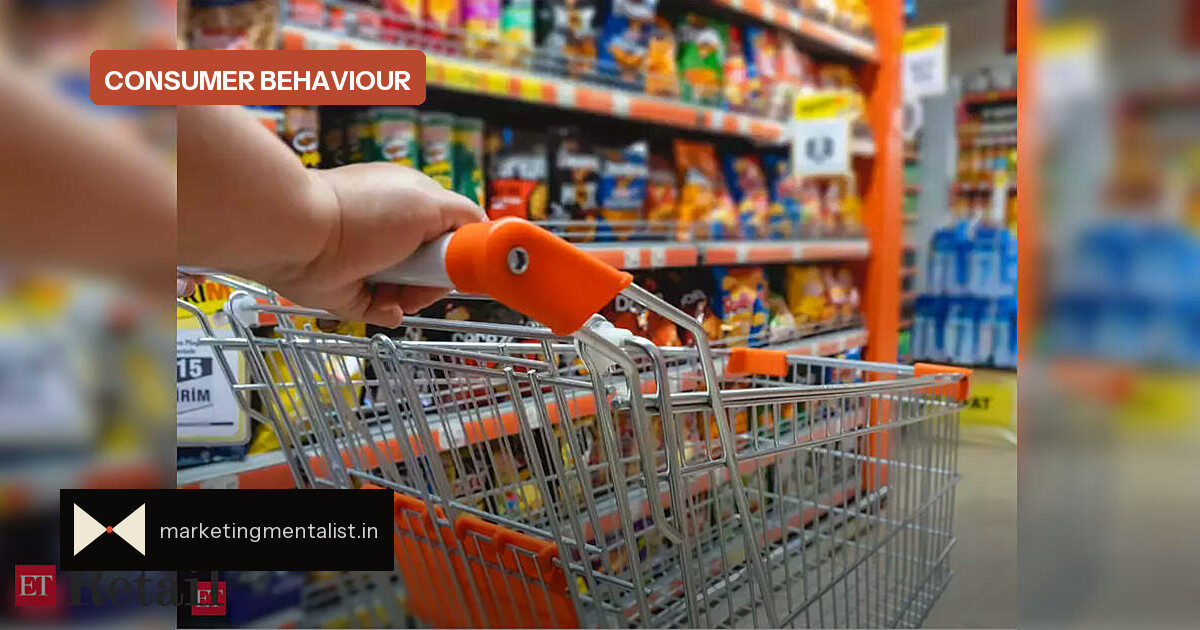
The kirana shelf, long the unbreachable moat of India’s legacy FMCG companies, is no longer an exclusive club. New-age and Gen Z consumer brands captured 21.7% of India’s kirana market in the first half of FY27, up from 14.8% a year earlier, according to retail intelligence platform Bizom. That pushed the combined share of established players down from 85.2% to 78.3%.
The real moat was never the brand
For decades, the strongest advantage of companies such as Hindustan Unilever, ITC and Marico was not a clever slogan or a familiar pack. It was being on the shelf in millions of neighbourhood stores, replenished regularly and available wherever shoppers showed up.
To grasp the scale, HUL alone works with more than 3,500 distributors across over 2,000 towns and reaches roughly nine million retail outlets, three million of them directly. That kind of shelf presence takes years to build.
Shoppers are pulling, not just brands pushing
Digital-first brands are finding that online fame can travel into offline demand. Retailers are commercial actors: if customers keep asking for a product, refusing to stock it means losing a sale.
Plum Goodness chief executive Shankar Prasad told ET that consumers are increasingly seeking “science-oriented, performance-led and clinically positioned products.” Retailers who once hesitated to stock pricier new-age brands are now making shelf space as shopper demand builds.
Why this matters for marketers
Kirana used to be a push game. Now consumer pull is doing part of the selling.
- New-age brands added 200 basis points of kirana footprint in the September quarter alone.
- Established players lost 1.9% of urban kirana outlets, even as rural store count grew 2.3%.
- Legacy firms have acquired or taken controlling stakes in at least a dozen digital-first brands in five years.
The harder battle is repeat purchase
Getting onto the shelf is step one. Changing a buying habit is step two. Worldpanel by Numerator’s Brand Footprint India 2026 found that only 56% of low-penetration brands increased consumer reach in 2025, compared with 83% of highly penetrated brands. Trial is not the same as repeat buying.
For D2C founders and brand managers, the implication is simple: treat kirana availability as a growth lever, not the finish line. The winners will pair distribution with distinctive positioning and a repeat-purchase engine.
Source: ETRetail.com