
Why 40% of Indian shoppers are looking past logos
Indian premium buyers are moving past logos to fabric, fit and repeat value. Here is what quiet premium means for brand strategy.
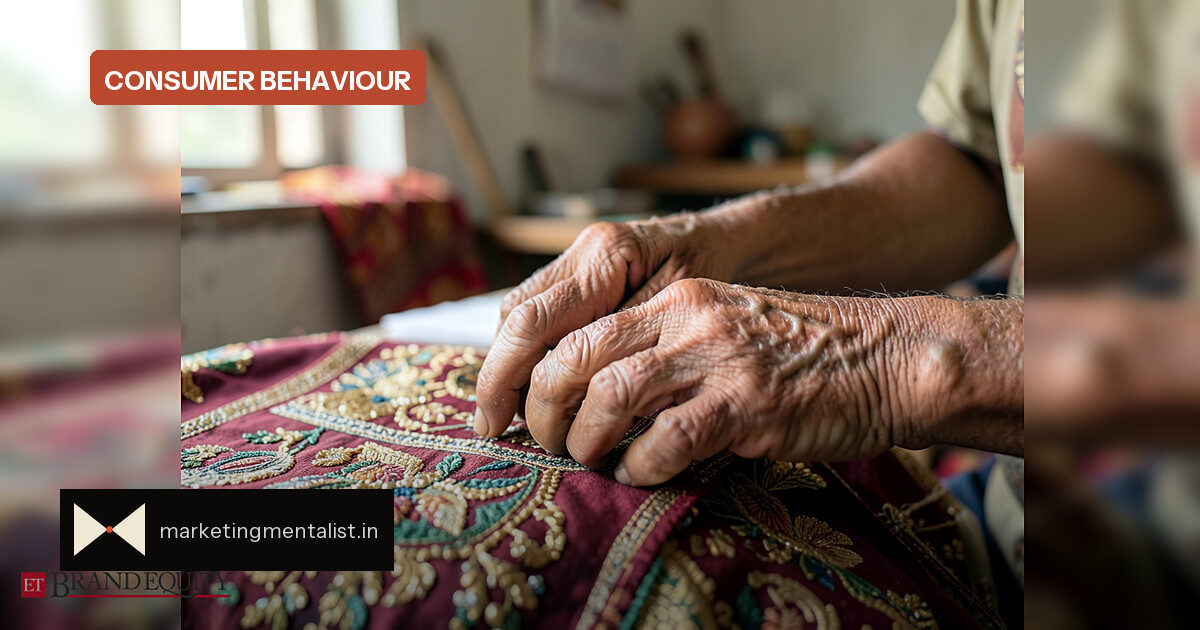
A kurta is selling in India’s premium retail at roughly ₹10,000. Look at it from across a room and there is no visible brand name; the only clue is a tiny red stitch under the top button. Shoppers still pay the premium. That one item reflects a bigger change: premium value is shifting from what others can see to what the buyer can feel for themselves.
From logo to product
For years, the label did most of the work. A visible mark told people what something cost and where it sat in the hierarchy, while the product itself often came second. Maruti Suzuki learned this the hard way with the Kizashi: the car struggled because the badge was still linked to affordability. The company later opened Nexa as a separate retail identity to reset that perception.
The deeper point is that a high price alone never makes a product premium. Customers have to believe the value is real. And that belief is now changing. Indian shoppers are judging fabric, fit, comfort and design before checking whose name is on the label. Around 40% of consumers said they had tried new fashion brands in 2025 at accessible price points, and nearly 30% said the in-store experience influenced their purchase.
Quiet premium is not quiet luxury
Global quiet luxury is a small circle of very rich buyers choosing subtlety over display—think Loro Piana or The Row. India’s quiet premium is much broader. It sits below luxury and above mass market, made up of earners between ₹8 lakh and ₹40 lakh a year who want genuine quality without needing every purchase to advertise success.
That separation matters because the playbooks are different. A brand cannot just raise prices and add fancier packaging. It has to create products people actively want to come back to.
Build for the second purchase
Premium brands need to decide which game they are playing:
- Discovery-led: attention through launches, campaigns and visibility.
- Return-led: habit through better materials, consistent fits and pieces that remain relevant beyond a season.
The return-led path is slower because it depends on less showy work: stronger production, disciplined design and store experiences that reward careful looking. A logo can make someone notice a brand; only the product can make them stay.
That is the real strategic shift. Younger urban shoppers pair Gully Labs sneakers with Nikes to express their own taste, not to copy someone else’s. For premium fashion, the prize will go to brands that remain valuable even when the label is invisible.
Source: ETBrandEquity.com


