The 2016 Welcome Offer Was a Reference-Point Reset
The 2016 Welcome Offer was less a pricing move and more a reference-point reset. Here's what Indian marketers can still use from it.
Before 2016, an Indian mobile user often did a small arithmetic before opening a video: how many megabytes will this cost? Data was a consumable, measured in coupons and top-ups. Then the Welcome Offer arrived and made the meter irrelevant for a while.
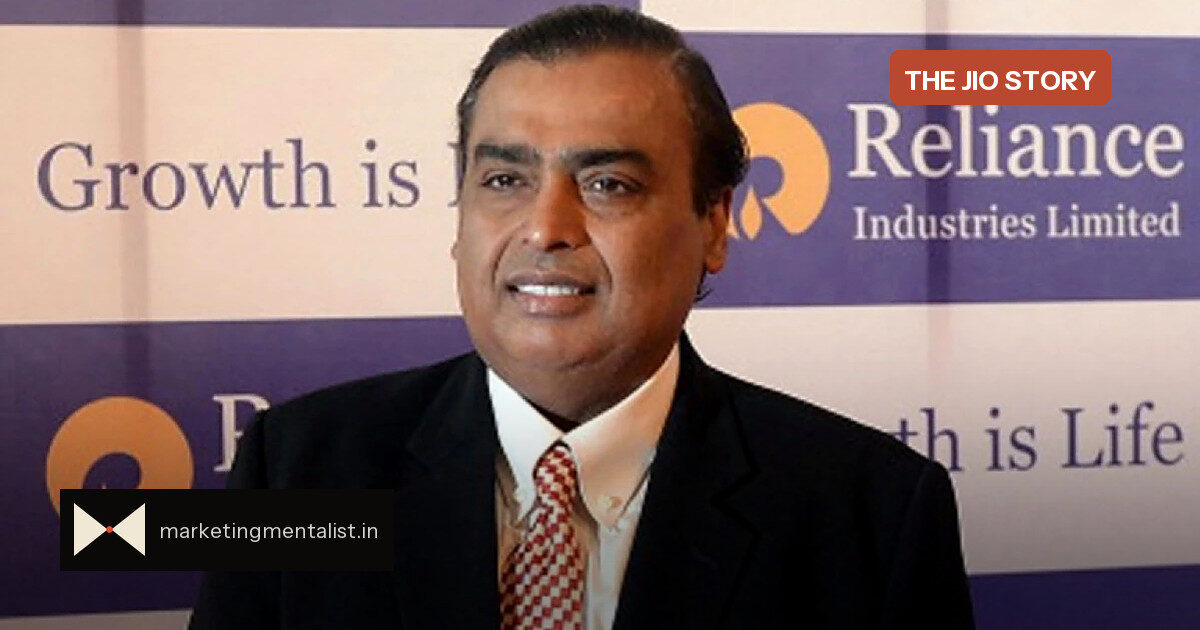
Jio launched with the Welcome Offer in 2016: unlimited 4G data, voice, video and apps, as reported by Reliance Industries. It was not packaged as a short trial. It was a long enough window that people stopped asking “how much?” and started asking “what can I do with it?”
The free window became a reference point
Behavioural science calls this the zero-price effect: people overvalue “free” and, more importantly, store it as a baseline. When something is free long enough, the mental frame shifts from units to access. The Welcome Offer made data feel less like fuel and more like air.
The adoption speed made that visible. Jio reached 100 million subscribers within 170 days of launch, company-reported in Reliance Industries Integrated Annual Report 2016-17. Marketers noticed not just the speed but the nature of the change—people weren’t only buying a SIM; they were stepping into a new daily rhythm of streaming, video calls and always-on messaging.
The question moved from cost to possibility
The launch’s real marketing lesson is the question it left behind. The question India asked moved from “How much does data cost?” to “What can we do with data?” That is a positioning shift, not a tariff shift. The product stopped being sold as a scarce unit and started being experienced as an enabling layer.
For brand managers, this is the difference between selling minutes and selling the things minutes allow: the late-night study call, the kirana order, the festival video, the cricket final on a shared screen in the street.
What marketers took from the Welcome Offer
- Change the unit of value. The offer moved attention from cost per gigabyte to the behaviour data enables.
- Give the reference point time to set. A long free window shifted the baseline; a two-day coupon would not have.
- Design the next question. When the trial ends, the customer should be asking about outcomes, not tariffs.
The Welcome Offer was not a discount. Discounts keep the price tag visible. This made price fade into the background and let usage become the product.
The habit outlasted the offer
Jio now serves 524 million+ customers as of March 2026, company-reported by Reliance Jio Infocomm. Its ecosystem today spans connectivity, entertainment, commerce, payments, devices, cloud and AI, according to Reliance Industries’ 48th AGM in August 2025. But for the marketer, the early lesson still holds: when you remove a small recurring decision—“should I watch this, will it consume data?”—you create space for bigger, stickier behaviours.
That is the hidden brief inside the Welcome Offer. It did not just give away data. It trained a market to think in outcomes, and it gave marketers a template for making a product feel less like a cost and more like a habit.