Kirana to Cloud: The Customer the Khata Couldn’t Forget
When the khata moves from paper to cloud, the kirana's memory becomes searchable, shared and portable. Here's what that changes for shoppers and shopkeepers.
The khata book was never just a ledger. It was a small shop’s social memory: who bought chai every morning, who took atta on credit during a rough month, whose child liked a particular biscuit. The shopkeeper held it in his head and, on busy evenings, in a worn notebook beside the cash box. But memory at the counter stayed at the counter. It could not travel, could not be searched, and disappeared when the shopkeeper was away.
From data rationing to an always-on counter
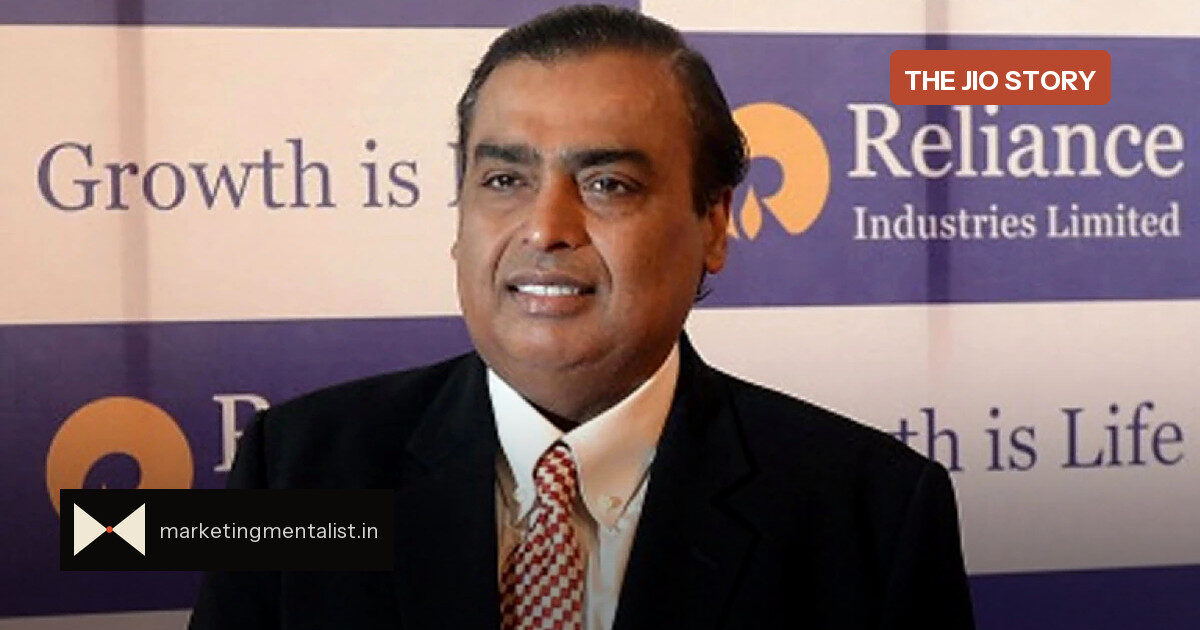
In 2016, Jio launched with the Welcome Offer: unlimited 4G data, voice, video and apps (Reliance Industries). Jio reached 100 million subscribers within 170 days of launch (company-reported; Reliance Industries Integrated Annual Report 2016-17). That shift did not only change how people consumed content; it changed what a kirana shop could do without an IT budget. The phone in the shopkeeper’s hand could run payments, messages, video calls and business apps without the owner counting megabytes.
When data stops being measured, the khata can move. A paper ledger becomes a phone record; a phone record becomes a cloud record. What used to require the shopkeeper’s presence now lives in a system that can remember, search and remind.
What moves when the ledger moves
- The relationship ledger moves: credit, frequency, preferences and loyalty become visible instead of implicit.
- The shopkeeper’s mental map moves: from “this regular feels trustworthy” to a record that can be checked by staff or family.
- The customer’s proof moves: the handshake is joined by a phone receipt, a reminder or a payment trail.
- The shop’s memory moves: one person’s recall becomes the business’s recall.
None of this means the corner shop stops being personal. The behavioural science of small retail says trust is still local, reciprocal and slow. A digital khata simply makes that trust legible. The customer who was “the one who buys tea around 7” can now be recognised as a pattern without the shopkeeper having to perform the memory each time.
The customer the khata couldn’t forget
For a brand manager or founder, the kirana’s move to the cloud is a shift from memory as charisma to memory as infrastructure. Before, the shopkeeper was the CRM. The relationship lived in one brain, one notebook, one counter. After, the relationship lives in the same place but with a second memory that never sleeps. That is why Jio’s stated priority to digitise businesses matters less as a technology promise and more as a behaviour change: it turns the small shop into a store that can remember its own customers.
Jio now serves 524 million+ customers (Reliance Jio Infocomm, March 2026; company-reported), and its ecosystem spans connectivity, entertainment, commerce, payments, devices, cloud and AI (Reliance Industries 48th AGM, August 2025). But the interesting moment at the kirana counter is smaller than that. It is the instant a shopkeeper no longer needs to flip pages to know that a customer is due for a refill, or that a family’s monthly order has changed. The question India asked moved from “How much does data cost?” to “What can we do with data?” At the kirana, the answer is becoming: remember better, without losing the warmth.
The khata’s quiet goodbye is not about the end of credit or familiarity. It is about the counter gaining a second memory. What changes for the customer is subtle: you are not just known by one person; you are known by the shop itself.