Pepsi India’s Yeh Dil Maange More: Selling Want, Not Cola
The psychology behind Pepsi India's 'Yeh Dil Maange More'—how a tagline branded youthful desire and turned wanting more into a cultural rallying cry.
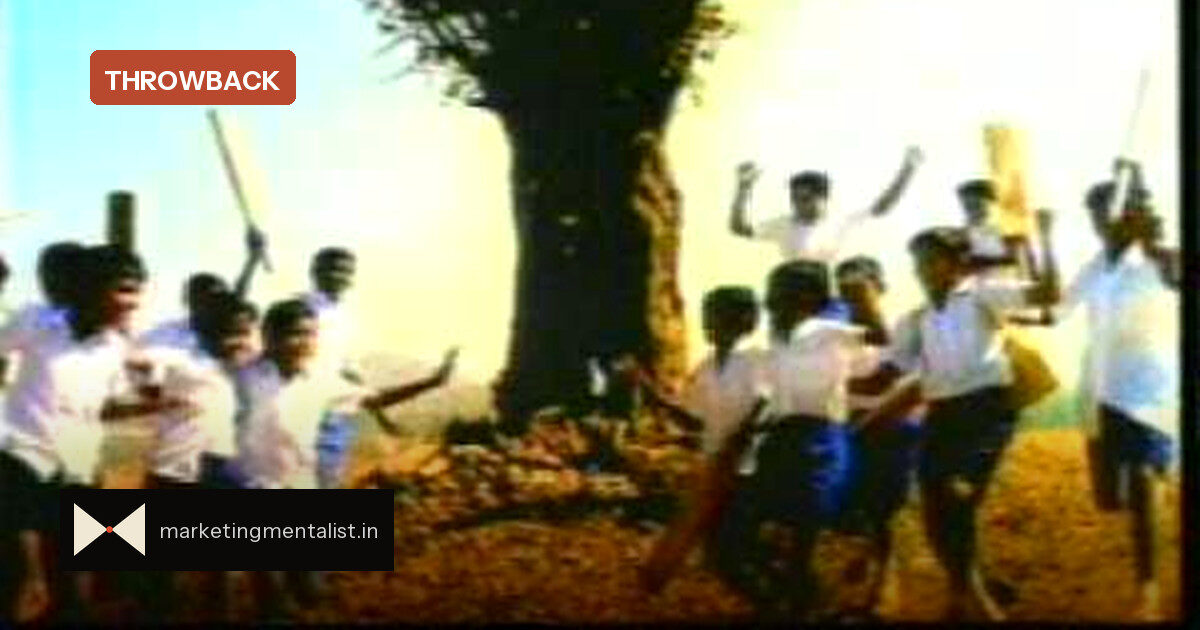
The ad and when it ran
Pepsi India’s “Yeh Dil Maange More” arrived in the late 1990s, when the Indian cola fight was less about taste and more about cultural noise. Pepsi was the challenger with a teenage pulse. The campaign borrowed the era’s twin obsessions—cricket and Bollywood—as texture, not proof. The film does not waste time proving the drink is colder or crisper. It makes wanting the plot.
The phrase is simple, conversational Hindi and already carried emotional warmth. In Pepsi’s hands it became a chant: the heart wants more. That was not a closing line; it was an open loop.
The levers it pulled
First, self-signalling. The ad made Pepsi a badge for people who refused to settle. It framed desire as confident and playful rather than greedy, so choosing the brand said something about the drinker’s ambition. The product mattered less than the identity it projected.
Second, processing fluency. Behavioural scientists find that short, rhythmic, familiar phrases feel truer and spread faster. “Yeh Dil Maange More” had the cadence of a cheer. The film repeated it as a beat, not as a sales argument, which made the line easy to process and easy to repeat.
Third, the goal gradient effect. People push harder as they get closer to a reward. The film keeps raising the want without ever landing on satisfaction. The tagline is the mechanism: more is always around the corner. That unresolved desire is the engine of the ad.
What it did for the brand and the culture around it
The line escaped the ad. It became shorthand for a generation that had grown tired of austerity in a liberalising India. Borrowed into everyday conversation, it named youthful hunger for bigger lives.
For Pepsi, the campaign shifted the brand idea from refreshment to desire. That gave every future execution—cricket, movies, music—a shared emotional promise. Pepsi stopped being only a drink and became a stance: the brand of wanting more.
What still works today and what would not
- Still works: a simple, borrowed phrase that names an emotion. Pepsi became a feeling, not a feature list.
- Still works: unresolved desire as an advertising engine. An open loop invites the audience to finish the sentence.
- Would not: unqualified “more” in a market that now questions overconsumption and mindfulness. Today’s young India may ask “more of what?”
A single mass-media film with broad celebrity stardust would also splinter in algorithm-fed feeds. The line’s simplicity would still travel, though. The lesson is not to copy the phrase but to steal the mechanism: brand an emotion the audience already feels.
Watch the original: Pepsi India on YouTube