Hyundai’s Samarth: from sympathy to systems for 26.8M
Hyundai's Samarth initiative moved 26.8 million Indians with disabilities from sympathy to systems — and built long-term brand equity along the way.

The trap most purpose campaigns fall into
Brand purpose often gets reduced to an emotional film. Hyundai Motor India’s Samarth programme took the opposite route. Instead of asking audiences to feel something about disability, it named a structural problem: India is home to over 26.8 million persons with disabilities, yet public conversation has historically been stuck in sympathy and charity, with disabled people cast as objects of pity or wonder.
The reframe: access, not sympathy
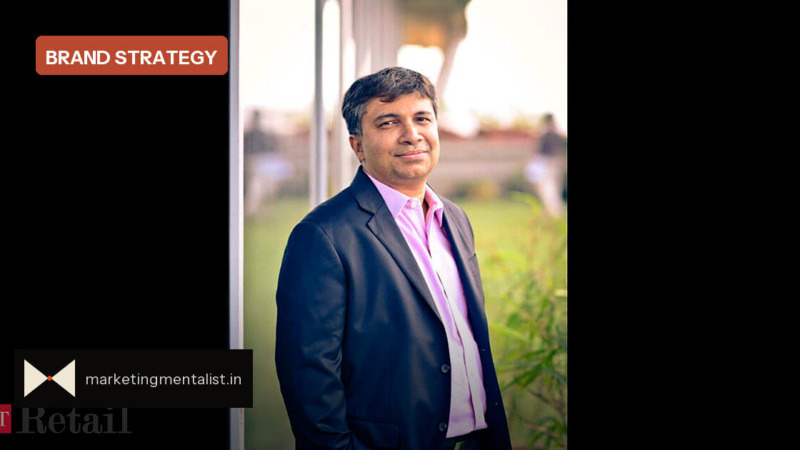
Virat Khullar, head of marketing at Hyundai Motor India, puts the insight plainly: “People with disabilities do not seek sympathy; they seek accessible systems.” That one line shifted the brief. Samarth stopped positioning disabled people as beneficiaries and made accessibility a shared responsibility.
Two pillars that made it tangible
Hyundai built Samarth on two pillars: awareness that drives narrative change, and action that creates systemic access. The second pillar did the heavy lifting:
- Dealership accessibility improvements
- Assistive devices and Turn Plus mobility solutions
- The Samarth Accessibility Metric (SAM) to evaluate built environments
- Work with government stakeholders on accessibility standards
- Long-term support for para-athletes and the Indian Blind Cricket Team
What the numbers show
Samarth was measured across awareness, engagement, accessibility, empowerment and long-term ecosystem development. Khullar’s team reports 900 million-plus digital reach, 1,484 million-plus PR reach, 500-plus media stories, 125,000-plus students engaged, and 20-plus ministers and policymakers involved. Tangible access changes landed in 50-plus public locations, while 26 supported para-athletes and their teammates won more than 200 medals.
The answer to the sales question
Does this sell cars? Khullar is careful: vehicle purchase is driven by product, safety, technology, design and value, so it would be inappropriate to attribute sales directly to CSR. But he argues that “purpose-led initiatives like Samarth play an important role in shaping the broader relationship consumers have with a brand.” It strengthens consideration, affinity, reputation, advocacy and long-term trust.
What brands should steal
Samarth’s real lesson is that purpose becomes credible when it leaves infrastructure behind. Awareness campaigns decay; systems and standards compound. Hyundai Motor India and Havas Play won Gold in the CSR Campaign category at ET Shark Awards 2026. The stronger signals, though, are the acceptance of the Samarth Charter and Goa becoming the first state to adopt the accessibility metric.
Source: ETBrandEquity.com