Jio Story: The Shared Memory That Outlived the Offer
Why Jio's 2016 data moment became collective nostalgia, and how brands build on shared memories that customers already own.
Most brand nostalgia is assembled backwards. A brand finds an old logo, a jingle, a pack design, and asks consumers to feel warm about it. But some memories are not designed by the marketing team. They are created by millions of people living through the same change at the same time.
The first video call wasn’t an ad
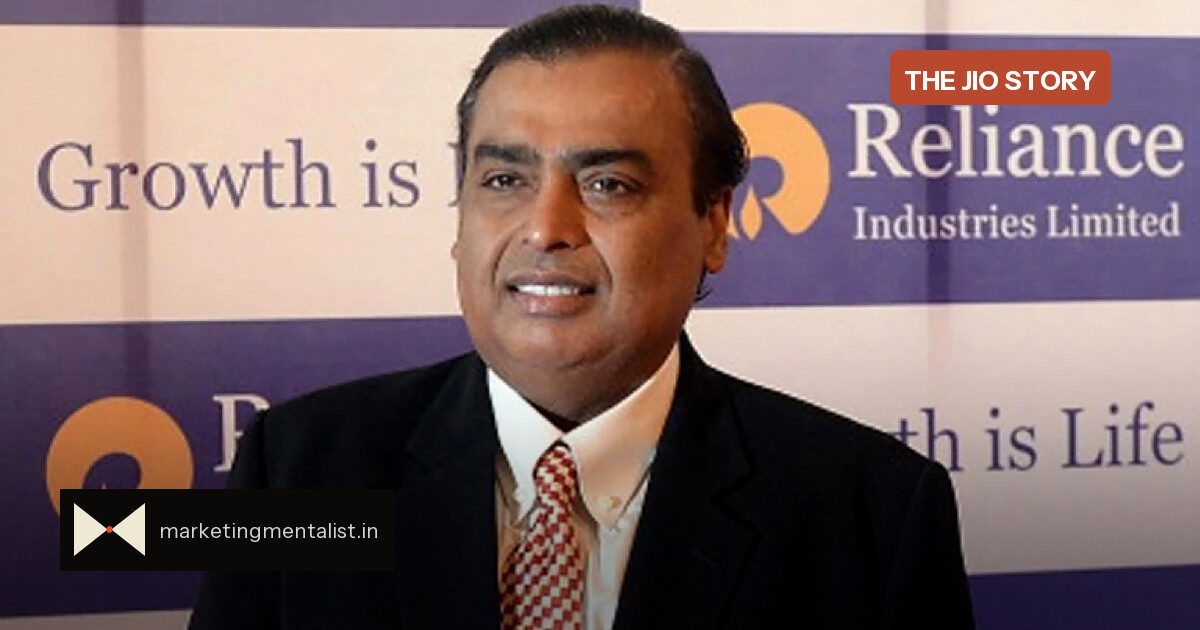
In 2016, Jio launched with the Welcome Offer: unlimited 4G data, voice, video and apps (Reliance Industries). The practical shift was obvious. The psychological shift was quieter. A video call home stopped being a rationed, special event and became an ordinary way to be present.
When someone says ‘my first video call home,’ they are rarely describing a plan or a price. They describe a face on a small screen, a kitchen in the background, a parent asking if the call is free. That is an episodic memory: a personal scene with sensory detail. It becomes collective nostalgia when thousands of people realise their private scene matches everyone else’s.
Shared memory is social proof with a time stamp
Brands usually chase reach. Shared memory gives them something more durable: a cultural reference point. It says, ‘We were all there.’ A memory that is shared does not have to be explained. It only has to be cued.
The scale of the 2016 moment made this possible. Jio reached 100 million subscribers within 170 days of launch (company-reported; Reliance Industries Integrated Annual Report 2016-17). That number matters less as a business milestone and more as the size of the room. It meant a huge share of the country could compare notes.
Why brands build on shared memories
Shared memories lower the cost of relevance. If the audience already remembers the before and after, the brand doesn’t need to argue that the world changed. It simply needs to point to the change and let recognition do the work.
- Private memory: ‘I made a video call.’
- Shared memory: ‘We all made that call.’
- Collective nostalgia: ‘That was the moment things started feeling different.’
The question India asked moved from ‘How much does data cost?’ to ‘What can we do with data?’ That shift is the emotional payload of the memory. Today Jio serves 524 million+ customers and its ecosystem spans connectivity, entertainment, commerce, payments, devices, cloud and AI (Reliance Jio Infocomm, March 2026; Reliance Industries 48th AGM, August 2025; company-reported). But the original memory anchor is smaller: a first call, a first stream, a first class watched on a phone.
A brand can’t fake a shared memory
Marketers can, however, build the conditions for one. Make the behaviour easy. Remove the friction that turns a ritual into a calculation. Then reflect the memory back without over-explaining it. The brands that win the nostalgia game are usually the ones that let customers feel they own the memory first.
Shared memory is not a campaign. It’s what remains after the campaign has done its quiet work.