Then vs Now: The Cyber Cafe Closed, the Pocket Opened
The everyday psychology of India's data shift: from rationed megabytes and cyber cafe queues to an always-on phone habit.
You remember the cyber cafe not as a place but as a ritual. You paid for a slip of time, sat at a sticky keyboard, and told yourself to finish the download before the minutes ran out.
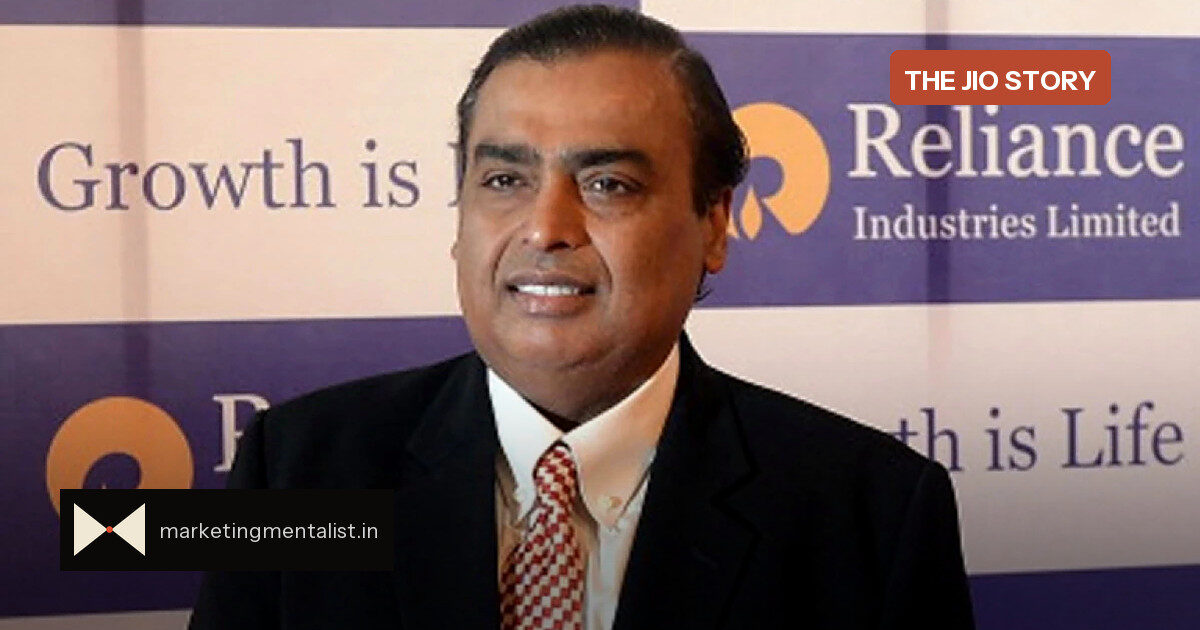
Then, in 2016, Reliance Industries launched Jio with the Welcome Offer: unlimited 4G data, voice, video and apps. The company later reported it reached 100 million subscribers within 170 days. That was not just a customer number; it was a behaviour change in fast-forward.
The meter in the head
For years, data was a mental budget. You opened a webpage and half-watched the clock. A video was a decision, not a reflex. The cyber cafe was where the internet lived because the phone could not be trusted with too much curiosity.
Scarcity does something specific to people: it narrows attention. When a resource feels limited, we think in small cautious units. We hoard, postpone, and choose the safest possible use. That was the Indian internet for many people before unlimited access became normal.
What the cyber cafe used to do
Before the phone became the default, the cyber cafe was a place with jobs: downloading forms, filling applications, printing, sending an email, letting a teenager play one game between study hours. It made the internet a destination.
Today the same jobs live in a pocket. The queue has become a notification. The time limit has become a data limit only in name. The shift is less about technology and more about posture: from going to the internet to being in it.
From cost to use
The framing line of this series is not a statistic but a habit: the question India asked moved from How much does data cost? to What can we do with data? That is a marketer’s shift, because the first question leads to price comparisons and the second leads to behaviour.
- Rationed data rewarded caution; unlimited data rewards exploration.
- The cyber cafe was a destination; the phone became the starting point.
- Cost was the first question; today the first question is the next use.
When a constraint disappears, people do not simply do the same things faster. They develop new habits around the absence of the constraint. A video call home stops being an event and becomes a Tuesday. A recipe search stops being a task and becomes a reflex. A creator stops waiting for a studio and starts with a phone.
What marketers should see
For brand managers and founders, this is a case study in moving from selling access to selling utility. The early pitch was about megabytes and minutes. The durable pitch is about what the connection lets someone become: a student, a seller, a creator, a caregiver checking in.
Reliance Industries said at its 48th AGM in August 2025 that Jio’s ecosystem now spans connectivity, entertainment, commerce, payments, devices, cloud and AI. And Reliance Jio Infocomm reported 524 million+ customers as of March 2026. At that scale, the product is less a service and more a layer under ordinary life.
Reliance Jio’s stated priorities are to connect every Indian, bring digital services home, digitise businesses, and pursue “AI Everywhere for Everyone.” The psychology inside those words is simple: once access feels unlimited, attention moves to the next useful thing.