Jio Story: Five Human Habits Behind the Data Reset
The saver, the binger, the kirana owner, the creator and Dadi reveal the psychology behind India's move from data costs to data identity.
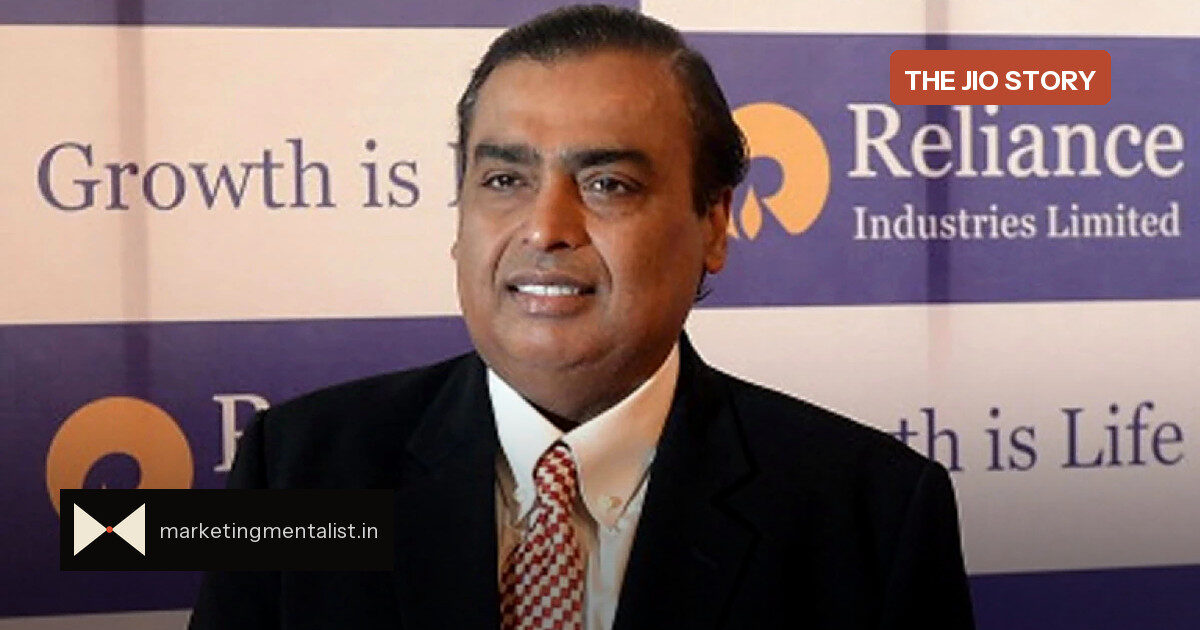
In 2016, Jio launched with the Welcome Offer: unlimited 4G data, voice, video and apps (Reliance Industries). The offer removed a constraint, but what followed was not simply more usage. It was a reordering of everyday roles.
This is the human layer behind the scale: the data saver, the midnight binger, the kirana owner going digital, the first-generation creator, and Dadi on her first video call. Each one is a small behavioural shift that became a routine.
The saver learned to trust the meter less
Before unlimited data, many users rationed by context: download songs on Wi-Fi, wait for late-night packs, keep a mental ledger of megabytes. When the constraint disappeared, the behaviour did not vanish in a day. It unwound slowly, habit by habit. The data saver is a reminder that caution is often about control, not data. As the fear of overage faded, the same person began leaving video on during calls, sending voice notes before typing, and using the phone as the default screen.
That is not loyalty to a network. It is identity habituation. People do not simply adopt a service; they adjust the mental model of what a phone is for.
New roles grew around an always-on connection
The broader change was a set of roles that had been waiting for infrastructure.
- The midnight binger turns unrestricted data into a private, after-hours ritual: one more episode, one more scroll. The trigger is availability; the reward is control over the evening.
- The kirana owner starts with a QR code, then a digital khata, then a business account. Digitisation is not an upgrade; it is the counter starting to remember.
- The first-generation creator uses the same connection to shoot, edit and publish without a studio. The audience is not abstract; it is the neighbourhood, then beyond.
- Dadi on her first video call is the clearest proof that adoption is emotional before it is functional. The call matters because the face is present.
These roles share one pattern: the product disappears into the background, and the human need comes forward.
From price questions to identity questions
The series’ framing line captures the shift: the question India asked moved from “How much does data cost?” to “What can we do with data?” For marketers, that is a window into consumer psychology. When a utility becomes abundant, consumers stop evaluating the resource and start evaluating themselves: Am I the person who waits, or the person who streams? Do I run my shop on paper or in the cloud?
Company-reported numbers give the size of the shift: Jio reached 100 million subscribers within 170 days of launch (company-reported; Reliance Industries Integrated Annual Report 2016-17). By March 2026, it served 524 million+ customers (Reliance Jio Infocomm, March 2026; company-reported). But the more useful detail for brands is the quiet habit layer underneath.
Jio’s ecosystem now spans connectivity, entertainment, commerce, payments, devices, cloud and AI (Reliance Industries 48th AGM, August 2025). Its stated priorities are to connect every Indian, bring digital services home, digitise businesses, and deliver “AI Everywhere for Everyone” (Reliance Industries 48th AGM, August 2025). For the data saver, the binger, the kirana owner, the creator and Dadi, these are not features. They are different answers to the same question: what can this connection let me become?
Brands reading this should notice the real retention engine. It was never the offer. It was the small, repeated moment of relief, control or presence that followed.