The Four Everyday Selves of India’s Data Decade
The Data Saver, Midnight Binger, Hotspot Hero and Reel Royalty are less about data volume than identity. They reveal the rituals behind India's data decade.
Ten years after data stopped being something India counted at the end of every day, many of us still describe our digital lives through a persona. Not by plan, not by gigabytes. By the role data plays in our evening, our journey, our group chat.
The four everyday selves
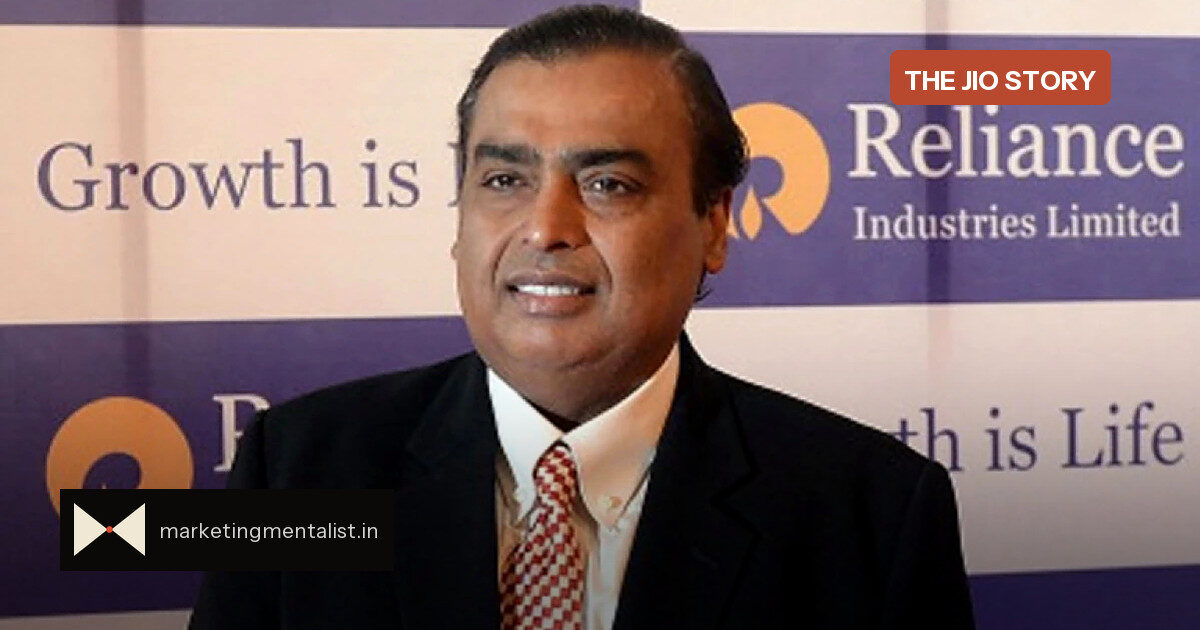
In 2016, Jio launched with the Welcome Offer of unlimited 4G data, voice, video and apps (Reliance Industries). Almost overnight, the question India asked moved from “How much does data cost?” to “What can we do with data?” As the meter stopped mattering, four archetypes became shorthand for how people actually use connectivity.
- Data Saver: Still checks the battery and data bar in the same glance. Prepares downloads on Wi-Fi, clears tabs, and asks “is there Wi-Fi?” even when unlimited is already in the pocket.
- Midnight Binger: Keeps a personal queue for after the house goes quiet. The payoff isn’t the episode alone; it’s the uninterrupted stretch where nobody needs the screen.
- Hotspot Hero: Carries connection for the car, exam group or wedding sangeet. Their phone becomes a small router, and their hotspot name is a tiny social signal.
- Reel Royalty: Thinks in jump cuts and trending audio. Drafts outnumber posts, and a family function is raw material rather than a break from the phone.
One person, many personas
These aren’t market segments. The same person is a Hotspot Hero on a road trip, a Reel Royalty during a festival, a Midnight Binger after a stressful week and a Data Saver three days before salary lands. Context shifts the persona, not the customer.
That matters for brand work. When marketers treat archetypes as fixed buckets, they build for a caricature. When they treat them as rituals, they design for the moment: a download queue for the saver, a silent mode for the binger, a one-tap share for the hotspot hero, a template for the reel creator.
Why a persona outlived the offer
The psychology is simple. A persona takes invisible usage and makes it legible. Saying “I’m a Midnight Binger” is not a data statement; it’s self-signalling about time, control and taste. It gives people a way to remember their own behaviour and tell others about it.
That is why the archetypes survived long after the initial offer. Jio reached 100 million subscribers within 170 days of launch (company-reported; Reliance Industries Integrated Annual Report 2016-17), and today serves 524 million+ customers (Reliance Jio Infocomm, March 2026; company-reported). The ecosystem has grown across connectivity, entertainment, commerce, payments, devices, cloud and AI (Reliance Industries 48th AGM, August 2025). But the most useful marketing layer may be the story users tell about which self they become when the connection is always on.
The lesson for brand managers and founders: don’t compete on gigabytes. Compete on the feeling the persona is protecting. The Data Saver wants control. The Midnight Binger wants uninterrupted escape. The Hotspot Hero wants to be useful. Reel Royalty wants to be seen. Utilities disappear; those desires don’t.