Jio Story: From Cyber Cafe Timers to Unnoticed Data
How India moved from rationed top-ups and cyber cafe timers to always-on data, and what that shift reveals about habit formation and marketing.
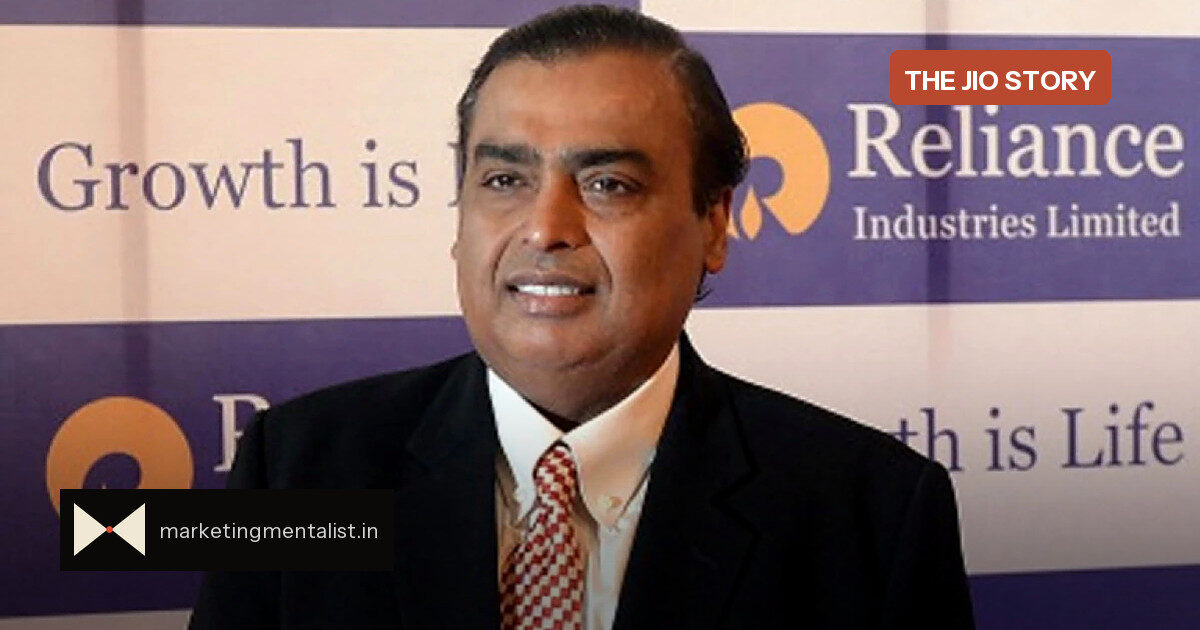
In 2016, the internet felt like a metered resource. We checked how much data was left before opening a video. Cyber cafes sold time, not access. Then came a change that made the meter less important: Jio launched with the Welcome Offer—unlimited 4G data, voice, video and apps (Reliance Industries).
The story most people remember is price and speed. The behavioural story is better: a country began to unlearn scarcity.
The meter made us planners
Before the shift, data was a budget line. A student checked if a YouTube link was worth 20 MB. A traveller downloaded maps on Wi-Fi. A family asked whether a video call was necessary. Cyber cafe timers shaped behaviour: download songs, take a printout, leave before the next hour ticked over.
When a resource feels small, people protect it. Scarcity does not always make us wiser; it often makes us hesitate. Every message, update and video passed through the same mental question: is this worth the data?
Abundance removed the question
Unlimited access changed the decision, not just the cost. When data stopped being counted, the phone became the default screen. People stopped asking how much this will use and started asking what they could do with it. The series’ framing line captures the shift: India’s question moved from ‘How much does data cost?’ to ‘What can we do with data?’
That is a classic move in consumer behaviour. Remove a repeated calculation, and a new habit gets room to form. The choice moves from saving a resource to using it.
- Cyber cafe timer to phone in every pocket
- Rationed top-ups to streaming, calls and updates without counting
- Downloading media for later to instant playback anywhere
- Switching data off between sessions to leaving it on by default
A habit outgrows the meter
The numbers tracked how quickly the habit spread. Jio reached 100 million subscribers within 170 days of launch (company-reported; Reliance Industries Integrated Annual Report 2016-17). By March 2026, it served 524 million+ customers (Reliance Jio Infocomm, March 2026; company-reported). Its ecosystem today spans connectivity, entertainment, commerce, payments, devices, cloud and AI, and its stated priorities are to connect every Indian, bring digital services home, digitise businesses, and drive ‘AI Everywhere for Everyone’ (Reliance Industries 48th AGM, August 2025).
What matters for marketers is not the scale alone. It is the moment a service stopped being a budget line and became background. Products that disappear into routines are stickier than products that demand constant calculations.
The psychology behind the today
Nostalgia for the cyber cafe is really nostalgia for a constraint people no longer carry. The shift from rationing to unlimited did not just make life easier; it changed what an ordinary evening looks like. A family video call, a last-minute payment, a reel on a bus, a first online order from home—all became unremarkable.
That is the odd outcome of a truly useful utility: it stops being noticed. People do not discuss the meter that disappeared; they simply live inside the consequence.