Jio Story: When Local Voices Learned to Travel
Village-to-city video calls, hostel Wi-Fi rituals and regional creators show how data became presence—and what marketers can learn.

In a village courtyard, a phone passes from one hand to another. On screen, a son in a city shows his rented room, a cousin in another state waves mid-meal, a grandmother leans in to say something only the family can translate. This is not a big moment. That is the point.
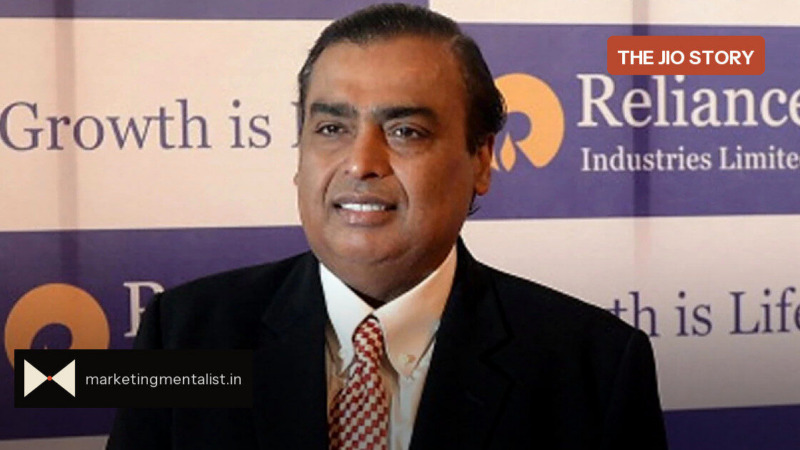
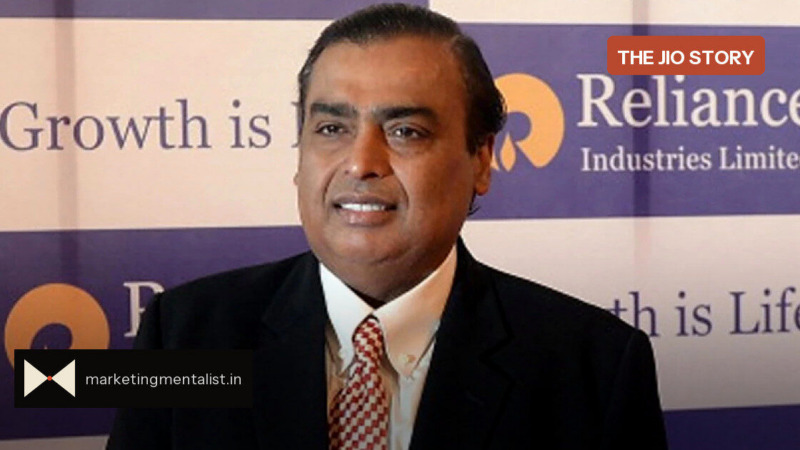
The Welcome Offer in 2016 gave India unlimited 4G data, voice, video and apps, according to Reliance Industries. Jio reported 100 million subscribers within 170 days. But inside those numbers, a smaller shift was happening: local voices stopped waiting for a special occasion to be heard.
The video call that became background noise
Village-to-city video calls changed from scheduled events to ambient presence. A phone could stay propped on a shelf while a mother cooked or a father read the newspaper. Psychologists call this ambient co-presence: the feeling of being in the same room without asking for attention. The data metre disappeared, so the relationship did not have to be rationed.
For marketers, that is a subtle but powerful change. When a behaviour stops feeling expensive, it stops being a decision and becomes a ritual. The question India asked moved from “How much does data cost?” to “What can we do with data?”
Hostel Wi-Fi and the shared screen
In hostels, one connection often became many screens. A hotspot turned a room into a tiny theatre: assignments, late-night shows, cricket, reels. Consumption became social by default. The unit of attention was no longer the individual user; it was the small group watching together.
That shared screen gave regional creators a bigger room. A creator speaking in a familiar dialect, referencing a local festival or a street-corner joke, felt closer than a polished national ad. People do not just watch voices that sound like their own; they trust them faster. Local voice lowers psychological distance.
Festivals as the real test
Festival moments across India reveal how deep this runs. A video call during Diwali, Pongal, Eid or a wedding is not about video quality. It is about being counted present. The technology should get out of the way. Families pass the phone around, people talk over each other, and nobody cares about framing. The data is invisible; the belonging is visible.
Here is what local voices tell brand managers:
- Local voice is a trust cue, not a translation exercise.
- Shared screens make data a social ritual, not a personal quota.
- Festival calls are emotional infrastructure, not a content slot.
Jio’s ecosystem today spans connectivity, entertainment, commerce, payments, devices, cloud and AI, according to Reliance Industries’ August 2025 annual general meeting. The stated priorities include connecting every Indian, bringing digital services home, digitising businesses and making “AI Everywhere for Everyone.” The company-reported customer base is over 524 million as of March 2026.
But the most telling signal is ordinary. A grandmother in one district, a student in another, a creator in a third: all speaking at once, across one connection. Local voices did not get louder. They got closer.