The two clocks reshaping media: why short-form became premium
Ambient scrolling is no longer filler. Fast Company links the rise of short-form to an 1865 coal paradox, and shows how media roadmaps are adapting.
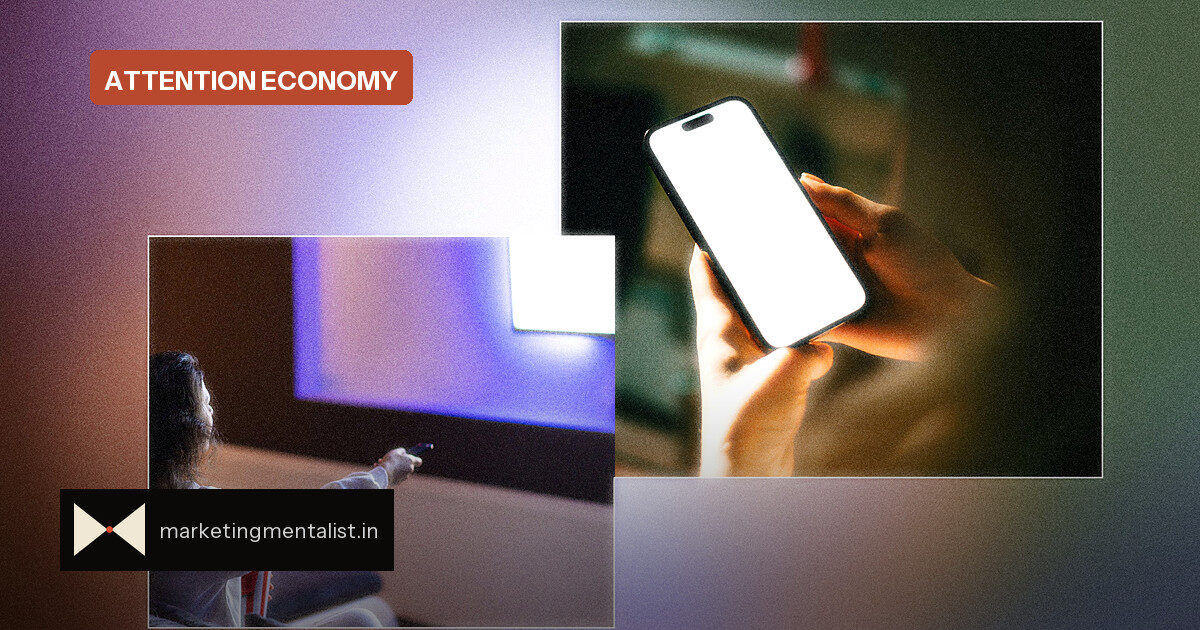
Entertainment has always run on two clocks. One is the appointment clock: the premiere you clear your night for, the finale you avoid spoilers for, the midnight release you refresh for. The other is the ambient clock: the 40 minutes of scrolling between tasks, the podcast playing while you cook, the feed that never runs dry.
For decades, the first clock felt premium and the second felt like filler. Streaming didn’t end appointment viewing; it moved the appointment from a fixed hour to a fixed week. Ambient content, meanwhile, sat in the background—radio, airport screens, second-run syndication. But that hierarchy has quietly reversed.
Why cheap attention behaves like cheap coal
Fast Company traces the shift to an insight from economist William Stanley Jevons. In 1865, Jevons noticed that more efficient steam engines did not reduce Britain’s coal use; they increased it. The constraint had never been desire for coal—it was the cost of using it. Lower the cost, and total consumption climbs.
The same dynamic now drives attention. Background content used to require a radio license, a printing press or a cable slot. That friction limited supply and handed gatekeepers enormous control. When distribution became frictionless—infinite feeds, autoplay, algorithms that never run out—the ceiling disappeared. People didn’t simply add a little more short-form viewing. They reorganized the day around it, and ambient consumption began taking hours that once belonged to appointment viewing.
Fast Company puts it bluntly: “the sum of the clips are actually greater than the whole.”
Incumbents are reading their own data
You can see the reversal in product roadmaps. HBO Max, a brand built on scarcity and waiting, has introduced a vertical, short-form feed inside its app. ESPN has its ‘Verts.’ These aren’t random experiments; they are what happens when attention data tells a company which clock its subscribers actually live by.
What this means for marketers
If media budgets still assume appointment-clock logic, they are planning against actual behaviour. Ambient consumption is no longer scraps of attention; it is a primary cultural force. A useful baseline:
- Audit real behaviour, not stated intent—where does your audience actually scroll?
- Build for ambient viewing: sound-off, loopable, text-led.
- Treat the short clip as the full campaign, not a trailer for a “premium” asset.
Jevons’ idea is a warning about friction. Removing friction can grow total consumption, but it can also change the value of that attention. Short-form isn’t winning because people can’t concentrate; it’s winning because it’s cheap to make, cheap to distribute and endlessly available. The brands that plan for that clock—rather than against it—will be the ones that show up where the hours actually go.
Source: Fast Company