Meesho Mall: 89% first-time brand buyers are from Bharat
Meesho Mall's branded push: 89% of first-time buyers came from Tier 2–4 cities in FY26, while feeds drove 75% of orders.
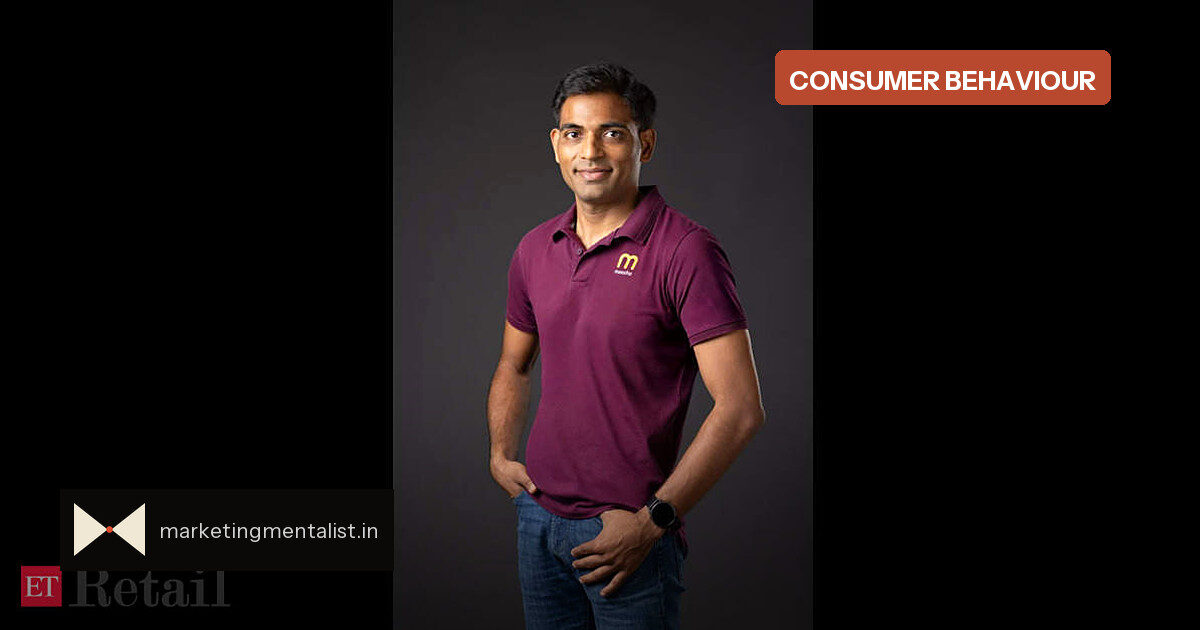
Meesho’s push into branded commerce is really a story about how Bharat discovers brands. In FY26, 89% of consumers making their first-ever branded purchase on Meesho Mall came from Tier 2, Tier 3 and Tier 4 cities, Milan Partani, chief business officer at Meesho, told ETRetail.
Mamaearth and Plix each brought more than one million first-time buyers to Meesho Mall, while Joy added around 5.5 lakh new-to-brand shoppers in 2026. The top acquisition markets are a reminder that “smaller India” is not a single block: Coimbatore, Puducherry, Kolkata, Ranchi, Guwahati, Bhubaneswar, Amritsar, Kolhapur, Bilaspur, Kanpur, Patna, Jodhpur, Jammu and Haridwar all showed up.
Partani stressed this is not simply existing users shifting spend. “In many cases, Meesho is becoming the first point of discovery for a brand,” he said.
The feed is the new bazaar
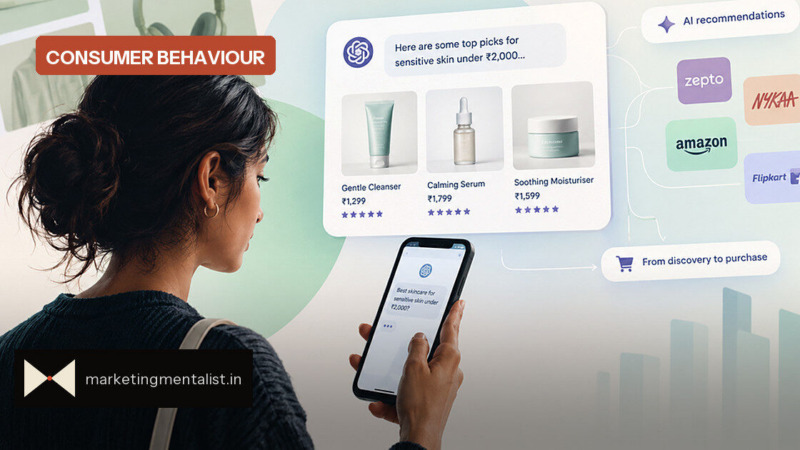
Meesho’s wider platform numbers explain why this matters. Its user base grew 33% in FY26 and orders rose about 45%, lifting purchase frequency to 10.1 orders per user. More than 75% of orders now originate from personalised feeds rather than search.
Partani frames this as a translation of offline behaviour. In Tier 2+ India, shopping is discovery-led: consumers browse, compare and discover what they want along the way, much like walking through a market. Meesho Mall was built partly in response to consumers searching for specific brands, but the feed remains the first shelf.
Repeat categories do the compounding
The acquisition is not a one-time event. Beauty and personal care orders on Meesho Mall nearly doubled year-on-year, baby care grew 67%, nutrition expanded 141% and packed food and staples rose 184%. Bumtum sees nearly 40% of its customers return, while Bella Vita and Mamaearth shoppers are expanding into adjacent categories.
- Discovery is uneven: small-town buyers are not a monolith; brand entry points differ by city and category.
- Feeds outperform search: if 75% of orders start in a personalised feed, feed-optimised brand assets become the real storefront.
- Affordability and branding are separate variables: value-conscious shoppers still care about brands; their decision criteria shift by purchase.
What to do about it
For brand managers, this is a physical-availability story with a behavioural twist. If Meesho is the first point of discovery, the brand has to be recognisable in a feed before it is searched. That means pack distinctiveness, trial-friendly formats and clear category adjacency—especially in beauty, personal care, baby care and nutrition, where repeat purchase is natural.
Partani’s closing point is the strategic one: “We don’t see affordability and branded selection as being at odds with each other. Being value-conscious does not mean consumers do not care about brands. What matters to them simply changes depending on what they are buying.” Treat those as separate variables and the small-town opportunity stops looking like a discount game.
Source: ETRetail.com