JACK&JONES Denim Mode: How Vedang Raina Sells a State of Mind
The AW26 campaign frames denim around parties and travel. Here's how JACK&JONES uses celebrity, context and the & to sell more than jeans.
JACK&JONES has dropped its Autumn Winter 2026 denim campaign, with Vedang Raina as the face. The brand calls the campaign Denim Mode, and the film moves between two settings: parties and travel. The collection is the real protagonist—barrel fits, bootcuts, denim sets and outerwear—moving from evening wear to casual looks. It is aimed squarely at young men who want their clothes to keep up with a social life and a full itinerary.
The ad
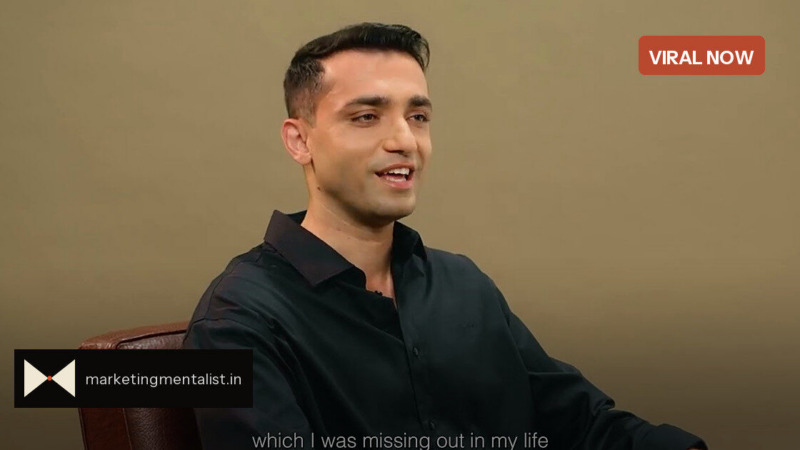
Raina appears as a version of the target buyer: at ease, social and mobile. He wears the denim in scene after scene, but the ad does not treat him like a model posing in a catalogue. It treats him like a man entering a mode. The party setting carries the night-out signal, while travel scenes add the go-anywhere signal. That pairing gives the same denim range two different jobs, without changing the product.
The collection details sit just behind the story. Barrel fits and bootcuts show the range of silhouettes; denim sets and outerwear remind you this is a wardrobe, not a single jean. Supporting pieces—casual T-shirts, jackets, Premium Denim and Sheridan shirts—fill in the look. The effect is that you are not watching a fashion film about denim; you are watching a lifestyle film that happens to put denim in charge.
The levers it pulls
Three behavioural principles do most of the work.
- Contextual priming. By organising the story around parties and travel, JACK&JONES gives buyers a ready-made mental script. When they later pack for a trip or dress for a night out, denim is already attached to that memory.
- Halo effect. Raina describes the product as an everyday anchor, and the film supports that by showing him move comfortably rather than perform. His ease transfers to the clothes; the audience sees confidence, not just fabric.
- Social identity. The campaign frames denim as a badge of brotherhood and self-direction. It is not about fitting in but about moving through a group with confidence—a kind of belonging that still allows independence.
The halo effect matters because Raina feels peer-like, not distant. The endorsement looks observed rather than borrowed.
What it does for the brand
Sumit Dhingra, CEO and country director at BESTSELLER India, frames the brand around the ampersand: craft and quality, fashion and everyday durability. Denim Mode applies that idea to a specific line. The brand does not ask the customer to choose between style and substance; it makes denim the proof that both can live in one item.
Raina brings what Dhingra calls authentic, vibrant energy. For JACK&JONES, that matters less as star power and more as social texture. The campaign positions the brand as belonging to a brotherhood of driven, self-assured men. Denim becomes the uniform of that brotherhood—casual enough for travel, sharp enough for a party.
What to borrow for your next campaign
The practical lessons are less about the campaign budget and more about its structure.
- Build the creative around two occasions, not one product category.
- Let the endorser behave in the clothes rather than just display them.
- Use a small brand code, like the ampersand, as a repeated lens.
- Show the same range doing different social jobs to widen the product’s mental availability.
The underlying move is simple. JACK&JONES does not tell you that denim is versatile. It shows denim inside two versions of your future week, then lets you borrow the feeling.
Watch the original: JACK&JONES on YouTube
Source: Afaqs!