62% now prefer being hard to influence to being influencers
TBWA Backslash finds 62% would rather resist influence than become influencers, and 75% doubt viral content is authentic. Trust beats reach.
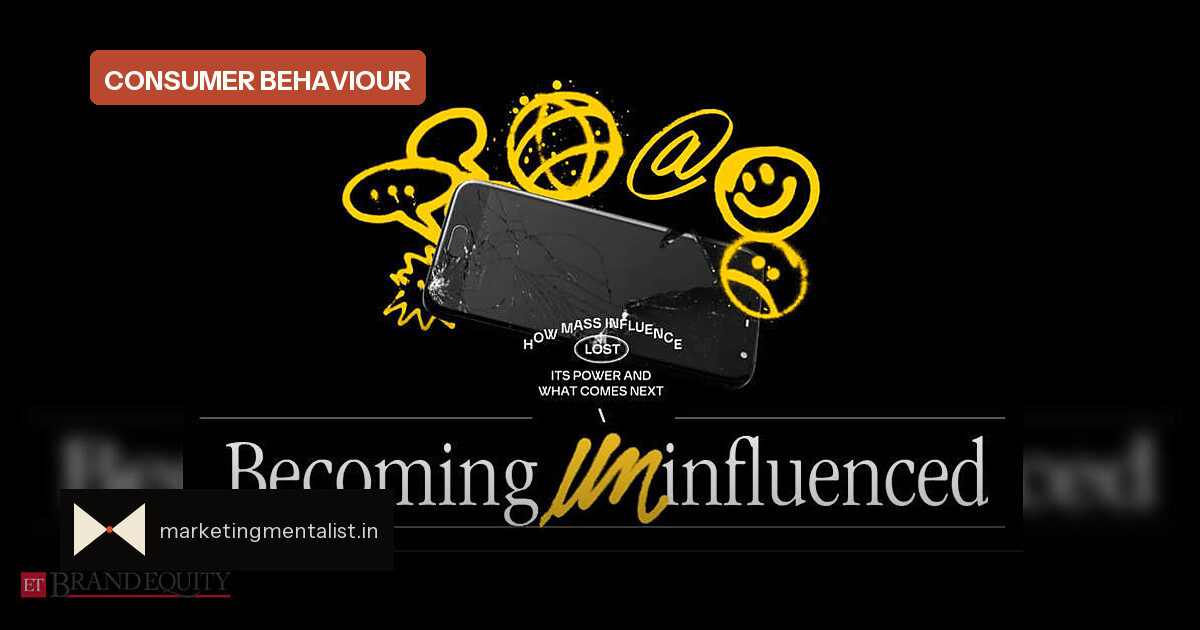
A new report from TBWA’s cultural intelligence unit, Backslash, suggests the status symbol of the social media age is quietly flipping. In a survey of more than 700 consumers across the US and UK, 62% said being hard to influence felt more aspirational than being an influencer.
The growing discount on viral fame
The report, Becoming Uninfluenced, found widespread skepticism about what spreads. Seventy-five per cent of respondents assume viral content is artificially inflated. Within that group, 42% believe it is brand-engineered and 33% blame bots or fake engagement. Only 25% still read virality as genuine consumer love.
That is an authenticity discount. When audiences suspect attention has been manufactured, they apply what psychologists call persuasion knowledge: they discount the message and resist being moved. Reach that looks suspicious can quietly erode the brand behind it.
Taste paranoia and the new status cue
The report also names a sharper feeling: taste paranoia. Consumers are increasingly anxious that their personal preferences are dictated by algorithmic recommendations rather than authentic choice. In response, they now reward distinct taste and a clear point of view over a large social following or mass popularity.
The psychological shift is from scale to signal. Being easy to persuade no longer looks like belonging; it looks like losing control.
What TBWA advises: concentrated credibility
The report’s answer is a move away from pure scale toward “concentrated credibility”: deep affinity, participation, physical presence and trust over mass exposure. Three principles sit underneath that shift:
- Step further from digital feeds to build trust.
- Lean into organic discovery instead of paid interruption.
- Create spaces where culture occurs naturally rather than trying to manufacture it.
Less reach theatre, more earned affection
For brand managers, the practical read is to stop treating follower counts as proof of relevance. Smaller, high-affinity communities may be the more defensible asset. Measure the depth of engagement, not just its width.
“The next era of brand building won’t be won by those who manufacture the most attention, but by those who earn the most genuine affection,” said Emmanuel Sabbagh, chief strategy officer of TBWA\Singapore and Omnicom Advertising Asia.
That is a useful brief: run less reach theatre, build more trust, and let genuine affection become the metric that matters.
Source: ETBrandEquity.com