The Psychology of a $14,000 Government-Funded Ad
A government-funded spot starring Donald Trump shows how authority, repetition and framing shape attention—and where the ethical line sits.
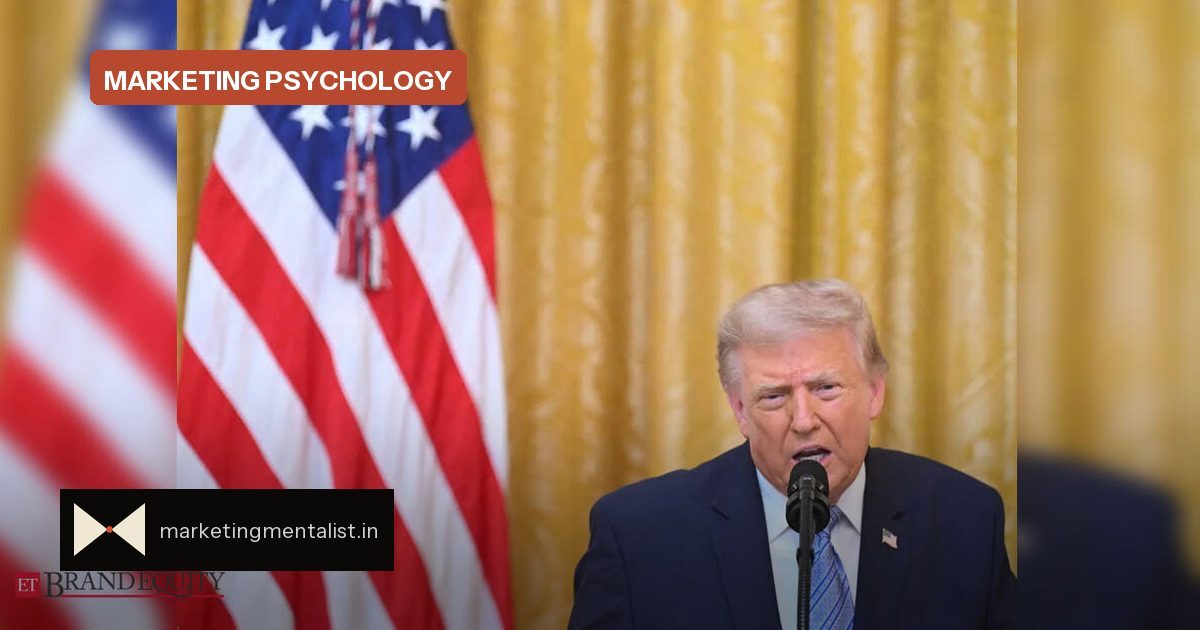
The ad that made its disclaimer the headline
According to AdImpact, a television spot featuring U.S. President Donald Trump cost $14,000 and ran during conservative programming on Fox News and Newsmax. The disclaimer read “Paid for by the U.S. Government.” The message was blunt: America will never become a communist country, while background singers repeated the phrase “love me.” Not all details about which part of the government paid were clear, and the White House, Fox News and Newsmax did not immediately comment.
For anyone who works in branding, the interesting part is not the politics. It is that a four-word source label did more work than the creative.
Authority is a persuasion shortcut
When a message carries a label like “Paid for by the U.S. Government,” it triggers authority bias. People tend to trust a message more when the source looks official or powerful. This is not a new idea; it is one of the most reliable principles in behavioural science. A strong source cue can make a small budget feel weighty.
Representative Raskin called the spot “blatantly unethical under numerous federal ethics provisions proscribing the use of government resources for political campaigns.” That reaction matters for marketers because it shows how quickly borrowed authority can become a liability.
The other levers: repetition and fear
The ad also works through mere exposure and fear framing. Repeating “love me” and a single ideological message makes the claim easier to process. The easier something feels, the more likely people are to accept it. Fear framing raises the stakes and narrows attention, pushing audiences toward a protection message. These are the same tools consumer brands use, but rarely this visibly.
- Source labels change how the message is read before it is evaluated.
- Repetition builds familiarity, which people mistake for truth.
- Fear framing works best when the threat feels immediate and personal.
Trust is easier to borrow than to keep
The same week, the cybersecurity agency released an election infrastructure security plan 40 days before the midterms. Election officials described it as late and inadequate, especially after the agency cut roughly 1,000 employees and $10 million from two cybersecurity initiatives last year. One official said it was a “nice effort” but not enough.
That is the strategic warning. Institutional authority is not permanent. If you attach your message to a source that has lost credibility, the same cue that was meant to persuade starts to raise suspicion.
What marketers can do differently
Do not copy the ambiguity. Copy the pattern: a small media buy can earn outsize attention when a powerful source is visible. The ethical version is to label your source clearly, make sure the authority is genuinely yours to use, and avoid using repetition as a substitute for evidence.
The ad may have delivered a lot of attention for $14,000. But attention and trust are not the same thing, and a viral moment built on an unclear disclaimer often buys more scrutiny than persuasion.
Source: ETBrandEquity.com