1B+ Units Recalled: Why Quality Is a Brand Problem
Product recalls hit 1B+ units in H1 2026. Here's why quality is a brand promise—and why consistency, not ads, builds trust.
Digital outages may dominate the news, but a quieter breakdown is running through supermarket shelves, medicine cabinets and showrooms. In the first half of 2026, more than 1 billion product units were recalled across food, pharmaceuticals, medical devices and vehicles, with over 23 million vehicles recalled in the United States alone. Most of these failures were not software bugs or AI breakdowns; they were quality failures.
Brand consultant Joan Kiddon sees this as a brand-management story rather than a manufacturing story. When a product fails, the consumer does not blame a factory; they blame the name on the label.
Quality is a promise, not a checklist
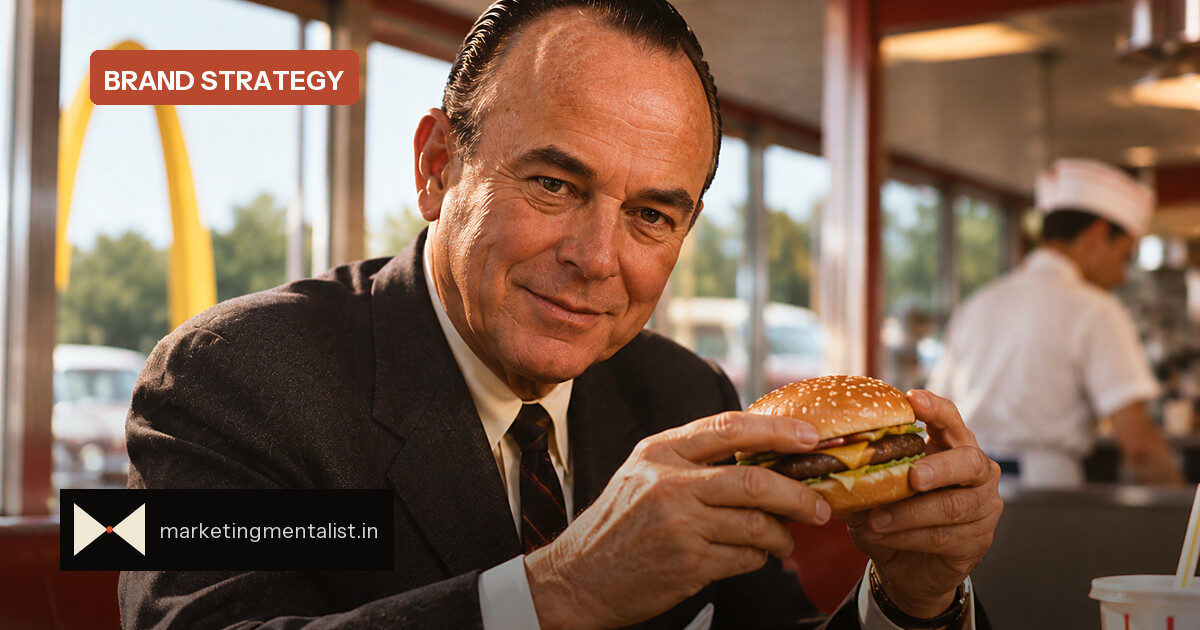
A brand is a promise that creates an expectation: a relevant, differentiated experience delivered consistently. Quality is what happens when the experience matches the expectation, time after time. W. Edwards Deming, the quality pioneer who reshaped Japanese manufacturing after the war, defined quality as “consistent conformance to expectations.” It is why he considered early McDonald’s a quality restaurant, not because it was fancy, but because a fry tasted the same everywhere.
Ray Kroc built McDonald’s on quality, service, cleanliness and value, refusing what he saw as the “incremental degradation” that happens when brands shave pennies and hope customers won’t notice. That consistency is what turns a brand purchase into a safe bet. Each time the bet pays out, trust grows. When it doesn’t, preference falls and price becomes the deciding factor.
Where brands go wrong
Quality has often been relegated to quality-control departments, audits and a single survey question. Kiddon describes an IHG hotel audit that checked whether a lamp worked but had no box for the chipped laminate beneath it. The checklist was fine; the quality mindset was missing.
Advertising cannot fix a delivery problem. Ford’s famous “Quality is Job #1” campaign raised expectations, but because the cars did not consistently deliver, the campaign backfired. Peter Drucker had the cleaner version: “Quality is not what the supplier puts in; it is what the customer gets out.”
The consistency diagonal
Kiddon argues that chasing the upper-right box of a 2×2 matrix is wrong for quality. The strongest brands sit high on expected performance and low on variation: they deliver the expected experience almost every time. High satisfaction with high variation is a contradiction, because customers would not know which version of the brand they would get.
What brands can do:
- Make quality a cultural mindset, not a department.
- Institutionalize brand standards and monitor signals such as complaints, social listening and employee feedback.
- Use a problem-detection study to find the most painful, frequent problems and solve them first.
- Let customers define quality, not marketers.
Dyson turned vacuum bags into a solved problem and built a business on it. For most brands, the lever is less glamorous: promise only what you can deliver, then deliver it every time. That is the real quality job, and it belongs to brand management.