Delivery is 11% of India’s food services, premium is next
Premium delivery is 11% of India's food services and rising toward a fifth. Prashant Issar makes the case for treating it as a second restaurant.
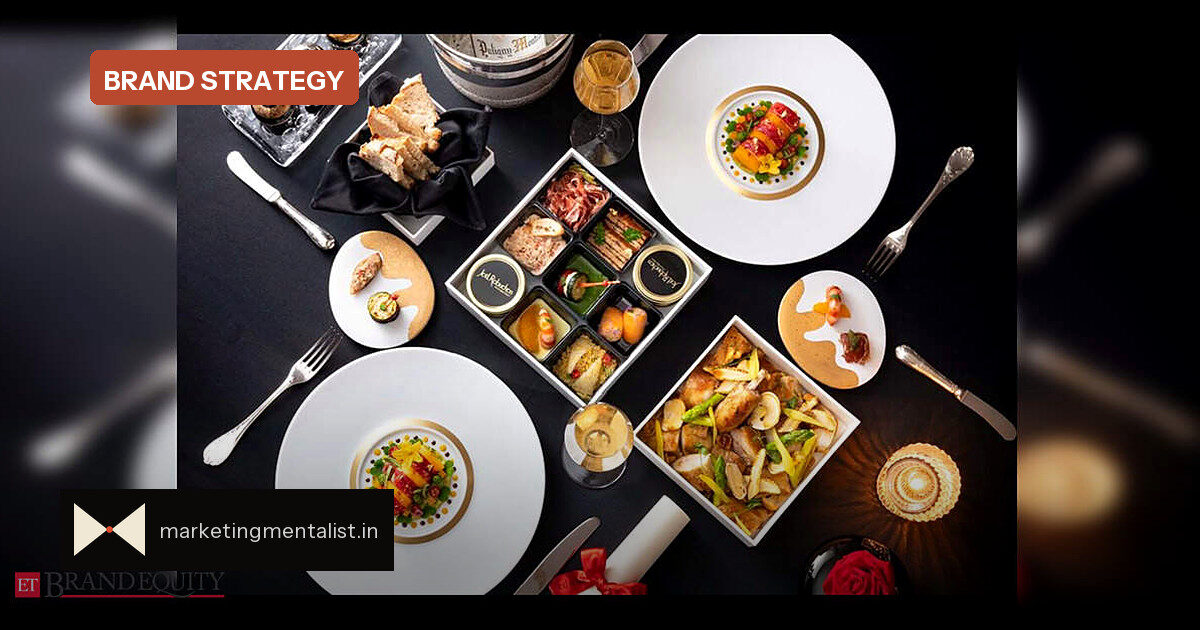
Premium food delivery is no longer a convenience story. Prashant Issar, founder of Ishaara and managing director of Bellona Hospitality, argues it has become a hospitality problem: the guest ordering on a Friday night is often hosting people at home, and the restaurant’s job is no longer simply to get food there. It is to make the host look good in front of their guests.
The numbers make the shift hard to ignore. Redseer’s State of India’s Food Services Market 2026, cited by Business Today, puts online delivery at roughly 11% of India’s food services market today. That share is expected to climb to nearly a fifth within five years, in a market heading towards USD 150 billion. Crucially, growth is no longer only quick, inexpensive meals. Diners are trading up: ordering from restaurants they once reserved for anniversaries and promotions.
The guest has changed seats
Issar’s reframe is simple. The question should not be “how do we get the food there?” but “how do we make our guests look good in front of their guests?” The first is logistics. The second is hospitality, and hospitality is the business premium restaurants are actually in. That changes what a brand promises long before the rider arrives.
A second restaurant, not a second channel
The most common mistake, he writes, is treating delivery as the dining-room menu packed into boxes. It is not a second channel; it is a second restaurant, with its own menu, rhythm and standard of a perfect plate. Each cuisine fails on the road differently. A slow-cooked curry may settle into itself, while the breads beside it suffer. Wok aroma fades in a closed container. Pasta keeps cooking after it leaves the pan. If a kitchen sends out its dine-in recipe unchanged, it is really sending out a dish nobody designed.
That begins with what Issar calls “a menu of refusal” — the dishes a restaurant will not send because they cannot arrive as themselves. Guests rarely complain about what is missing from a delivery menu. They never forget a favourite that arrived as a shadow of itself.
After the edit comes translation. That can mean:
- Taking pasta off the flame a minute early so it finishes at the table.
- Packing sauces separately so they meet the dish on arrival, not in transit.
- Leaving one simple finishing step for the host, giving them a small moment of ownership in front of their guests.
That last move does two jobs: the food finishes where it will be eaten, and the host becomes part of the experience. Culinary integrity, Issar argues, is not standing still. It is knowing which parts of a dish are sacred and which can adapt.
Certainty, not speed
The industry has spent two years racing towards ten-minute food. For some orders, speed makes sense. Premium runs on a different currency. A customer ordering from a favourite restaurant is not wishing for a ten-minute delivery; they are wishing the dish shows up the way it was meant to taste. A host planning a dinner can work around forty-five minutes. They cannot work around a surprise.
So the premium promise should be certainty: the dish arrives the way the chef intended, at the time promised, every time.
Delivery is the new front door
In cities like Lucknow and Ahmedabad, appetite for global cuisines is rising fast, and many guests taste a restaurant at home before they ever walk through its doors. Delivery is increasingly the introduction, not an afterthought. That means dine-in and delivery should feed each other. The guest who hosts friends with your food on Saturday should want to bring those friends into the room the next month.
Issar is candid about the pressures: platform commissions are high, the rider’s experience matters, and the final stretch sits outside the kitchen. But the parts restaurants still control — the edit, the recipe, the pack, the note in the bag and consistency — are larger than many operators admit.
Hospitality has never meant controlling everything. It means caring precisely about everything you can. For premium restaurants, the front door is now the host’s front door, in a home across the city.
Source: ETBrandEquity.com