Pocket Aces Grew to 12M Subscribers in a Label It Never Chose
New CEO Vinay Pillai says Pocket Aces's warm slice-of-life identity was handed over by advertisers—here's what the studio's microdrama and creator bets mean next.
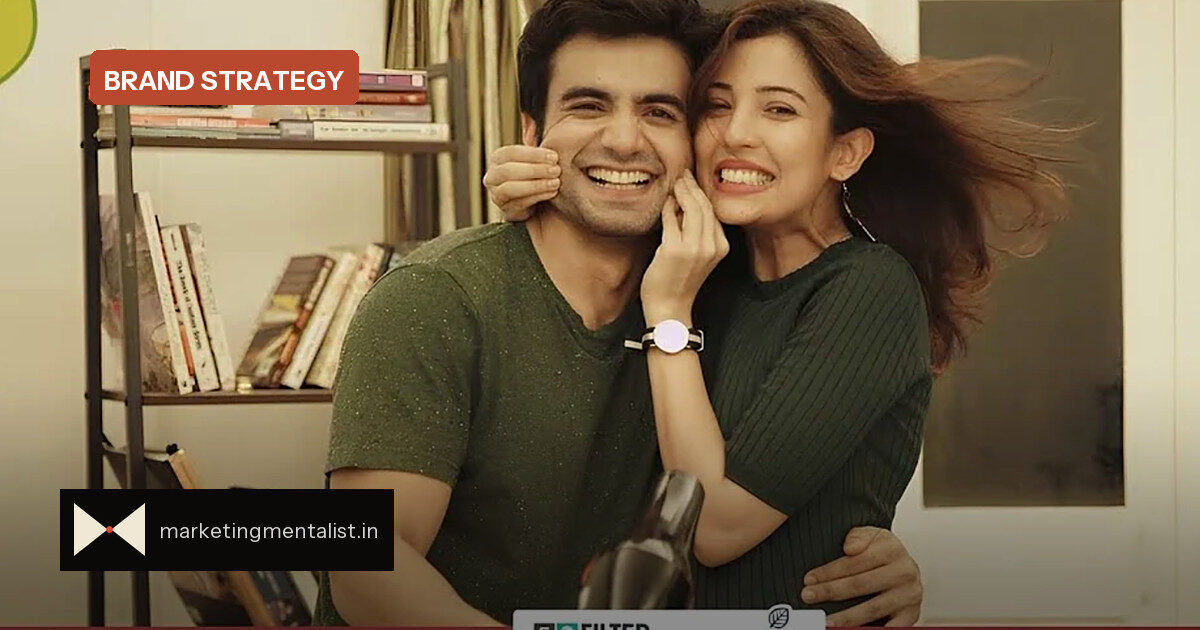
For most of a decade, Pocket Aces has been the studio companies call when they want warm, relatable stories about ordinary life. New CEO Vinay Pillai, who took charge in October 2026, does not call that label a creative identity. He calls it a market outcome.
“It’s not a conscious choice. It’s a choice that the market gave us.”
His account is a useful case study in how the payer shapes the product.
Brand money writes the brief
Pocket Aces built channels and funded them through brands. Pillai says advertisers wanted slice-of-life content that stayed safe—stories where audiences could laugh or get emotional within the boundaries of branded content. When bigger budgets arrived, they kept landing in the same familiar space.
The big spenders—the HULs, the P&Gs and the HDFCs—set the tone for the category, he argues, because their money flows to brand-safe work. Slice of life, in his view, will always lead both the creative pie and the spends. Startups are experimenting, but they are not yet the bulk of the market.
What happens when Pocket Aces owns the brief
On its own FilterCopy page, the output changes. Pillai says the recent editorial microdramas share a common genre: suspense thriller. Even the romantic stories carry suspense and thriller elements. The familiar slice-of-life conditions loosen when the studio controls the brief; when an OTT partner arrives, though, the ask is often still something in the mould of Little Things.
Here is the format shift driving the microdrama bet:
- Episodes run 60–90 seconds; the first five seconds are built to grip, the last five to create a cliffhanger.
- Some microdramas stretch to 600 or 700 episodes—longer than many traditional shows—and viewers keep watching.
- Pillai separates attention span from consumption: “The attention span has lowered, but not the consumption time.”
Who pays: brands or viewers?
China and South Korea have made microdrama a transaction product, where viewers buy credits to unlock later episodes. Whether India follows that model or stays ad-funded is, Pillai says, to be seen.
If advertising funds the format, YouTube and Instagram have the advantage: advertisers trust their views, filtering and spending mechanics. If viewers pay, the winner is wherever consumers want to watch. Old habits complicate a quick shift—Indian viewers may pay Rs 10,000 for a set-top box but resist a monthly subscription above Rs 400—though Pillai notes people are paying for content more than ever before.
Creators are the scalable side
Pocket Aces now manages around 260 creators, with another 50–60 at sister business Clout and about 15 music talents at Saregama, taking the exclusive network past 300. FilterCopy is close to 12 million YouTube subscribers, and creator distribution is north of 200 million.
Dice Media and FilterCopy are still growing year on year, but Pillai says the real scalable side of the business today is on the creator front. Creator work doubles as a live read on what is working across platforms and audiences.
For now, the studio will not build a direct-to-consumer platform. Pillai describes Pocket Aces as primarily an IP company and a distribution company; it will make microdramas for existing platforms and its own channels, and keep showing those platforms what a series play could look like.
The Saregama lesson
Under Saregama, Pocket Aces no longer feels outspent. The more lasting lesson, Pillai says, is to treat video as IP the way music has. Music monetisation is far ahead of video because a song carries recall and emotion a scene rarely does, and because the industry protected its IP carefully.
The second lesson is promotion. “We have never marketed our content. We have only marketed for others,” he says. A Rs 100 project budget once went entirely into production; films and music set aside money to promote the work, and he expects video to need the same.
A young brand by design
FilterCopy is now being programmed primarily for Gen Z. Pillai compares the brand to MTV: each generation meets it when they are young, so it will always remain a young people brand. The warmth stays; the programming follows what young viewers actually scroll towards.
The label Pocket Aces never chose was shaped by who was paying. What comes next will be shaped by Gen Z viewing behaviour—and whether brands follow.