Why Mouthfeel Is Becoming Marketing’s Quiet Superpower
The food industry is learning that texture can drive purchase as much as taste. Here’s how crunch, chew and creaminess shape buying decisions.
Flavour has long been the default setting for food marketing. But a quieter sensory cue is increasingly doing the selling: mouthfeel. Across packaged snacks, beverages and bakery, texture is shifting from a supporting detail to a deciding factor in what people buy.
Texture is moving from afterthought to purchase driver
The evidence is everywhere. Starbucks has an air-whipped iced espresso called Aerocano, PowerCrunch sells a wafer-like protein bar, and Trolli Gummi Pops are frozen yet still soft and chewy. Puratos, a Belgian ingredients company, describes texture as ‘a defining aspect of food quality’ and says it is reshaping how consumers evaluate products.
The trend is global. Stretchy yogurt is growing in China, Swedish confectioner Cloetta released Sprinkled Foamies with a crunchy coating and marshmallow centre, and Parisian bakers are experimenting with the crookie, a crispy croissant holding a melty chocolate chip cookie.
Why the mouthfeel moment matters
Texture is not new. Mochi, stretchy Turkish ice cream and bubble tea have long relied on distinctive oral sensations. But interest has accelerated. Jenny Zegler, principal strategist at Mintel, says the Cronut helped spark the current fascination about a decade ago, and social media later amplified crackly, slurpy and crunchy moments.
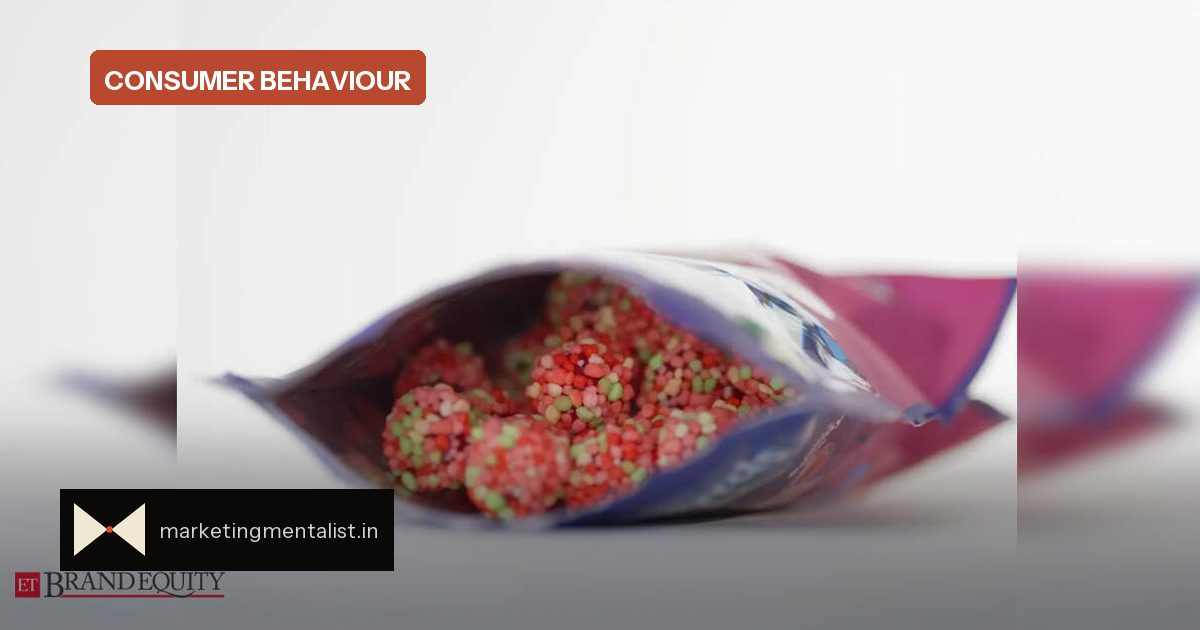
The pandemic gave texture extra urgency. When COVID-19 dulled smell and taste, the physical sensation of eating became more important. Ferrara captured that shift in 2020 with Nerds Gummy Clusters, a soft gummy centre wrapped in crunchy Nerds candy. Shannon Weiner, senior director of consumer insights at Ferrara, says contrast layers make products feel more indulgent and help capture attention during mindless snacking.
Three forces are turning texture into a marketing asset:
- Contrast: Crisp outside plus soft inside signals indulgence and gives the brain more sensory information to process.
- Distraction: In a scroll-and-snack world, texture breaks through when taste alone fades into the background.
- Delivery: As meal delivery grows, the ability to keep fries crispy or coatings intact has become a visible quality cue.
The stakes are visible. McDonald’s reworked its McCrispy chicken strips this year after customers said they were not crispy enough, and Ingredion is developing coatings to keep french fries crispy for 30 minutes or longer.
What marketers can do with this
Here is the actionable gap. Mintel found 59% of packaged foods introduced in the U.S. this year carried no texture claim on the label, even as consumers actively seek novel physical properties. That is a positioning hole. If your product has crunch, chew, fizz or creaminess, say so explicitly on pack and in the first line of product copy.
Ingredion’s Patrick Kalotis points out that people often describe texture when asked about taste, saying things like ‘this drink is fizzy’ or ‘I love the creaminess.’ Marketers can use that language directly. A reduced-sugar yogurt that keeps its creamy mouthfeel should not hide ‘creamy’ in the ingredients story; it should lead with it.
The lesson from Ferrara is structural: layered textures can justify premium perception. The company added a liquid centre to Nerds Juicy Gummy Clusters last year, turning a two-layer hit into a three-layer experience. Contrast, not just intensity, drives engagement.
The takeaway for brand builders
Mouthfeel is a purchase psychology tool hiding in plain sight. It shapes quality perception, creates distinction in crowded categories and gives consumers a reason to pay attention. The brands that name the sensation and design for it will win more than their share of the next snack, coffee and dessert purchase.
Source: ETBrandEquity.com