Maaza’s First Micro-Drama Makes the Drink the Meet-Cute
Inside Don't Go Na, Maaza's seven-episode digital micro-drama that turns a mango drink into the quiet catalyst connecting two strangers at a Diwali party.
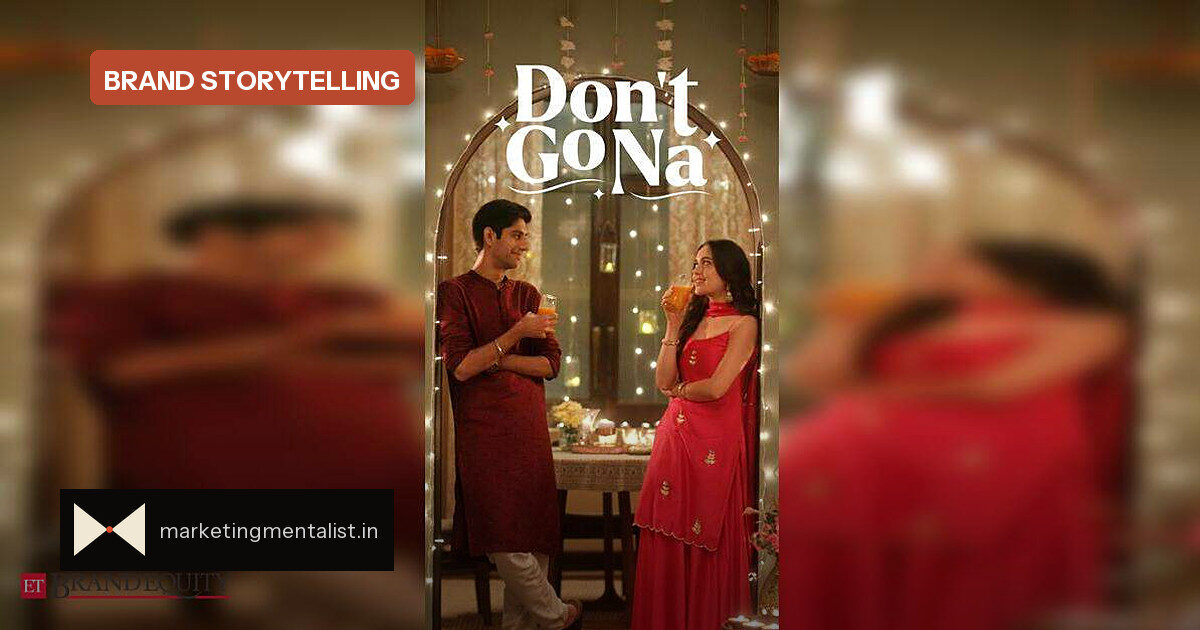
Maaza is betting that a seven-episode story can do what a 30-second festive spot cannot. The Coca-Cola-owned mango drink has launched Don’t Go Na, its first digital micro-drama, built around Indian hospitality and a Diwali party connection.
Conceived by Ogilvy India under WPP’s Open X, the series follows a young man and woman meeting during a festive gathering. The brand is not the hero; a glass of Maaza is positioned as the quiet catalyst that makes the connection happen. It will run across Maaza’s Instagram and YouTube channels, a deliberate move away from traditional TV advertising and toward younger, platform-native audiences.
Sunainika Singh, senior director, marketing – nutrition, Coca-Cola India and Southwest Asia, said Maaza has “always been about bringing people together” and is celebrating “not letting a guest leave easily.” Sukesh Nayak, chief creative officer, Ogilvy India, called it a “bite-sized romance where a glass of Maaza becomes the quiet catalyst.”
From interruption to invitation
Most festive advertising still works as interruption: a big film slots into a media plan and asks for attention. Don’t Go Na works more like an invitation. It is an episodic series on Maaza’s Instagram and YouTube channels, so viewers can choose to follow the story across seven moments rather than being ambushed by a single ad.
The psychology here is subtle. Maaza is not claiming to be the best-tasting mango drink in a crowded category. It is attaching itself to a social ritual: the Indian host’s insistence that a guest stay a little longer. That is a memory structure people already hold, and the brand is borrowing it instead of trying to build a new one.
What marketers can steal
- Use a phrase people already say. “Don’t go na” is a line from Indian homes, not a manufactured slogan.
- Let the product be the catalyst, not the hero. Maaza enables the connection; the characters carry the story.
- Design for the feed first. Seven short chapters suit Instagram and YouTube far better than a repurposed TV film.
- Build repeated touchpoints. Episodic content gives you multiple chances to be noticed during a noisy season.
The storytelling lesson
The campaign is a useful example of product-as-catalyst storytelling. Instead of interrupting a story with a brand message, the brand becomes a small, meaningful part of a human moment. In a category where taste and refreshment claims are hard to differentiate, that cultural and emotional association can be more defensible.
The test will be whether the series sustains attention across all seven episodes and whether the connection to Maaza stays strong without becoming heavy-handed. For now, it is a clean reminder that the best festive ads are beginning to behave less like ads and more like serials.
Source: ETBrandEquity.com