Kirana to Cloud: The Khata Book Becomes a Pattern Reader
What changes when the corner shop's memory moves from a dog-eared khata to digital records—for the person behind the counter and the regular outside it.
The khata was never just a ledger
In a kirana, the khata is a memory device more than an accounting tool. It remembers which regular likes soft bread, who pays at month-end, who buys extra before Diwali and whose order changes when the season shifts. The shopkeeper does not read it as data; they read it as relationship history.
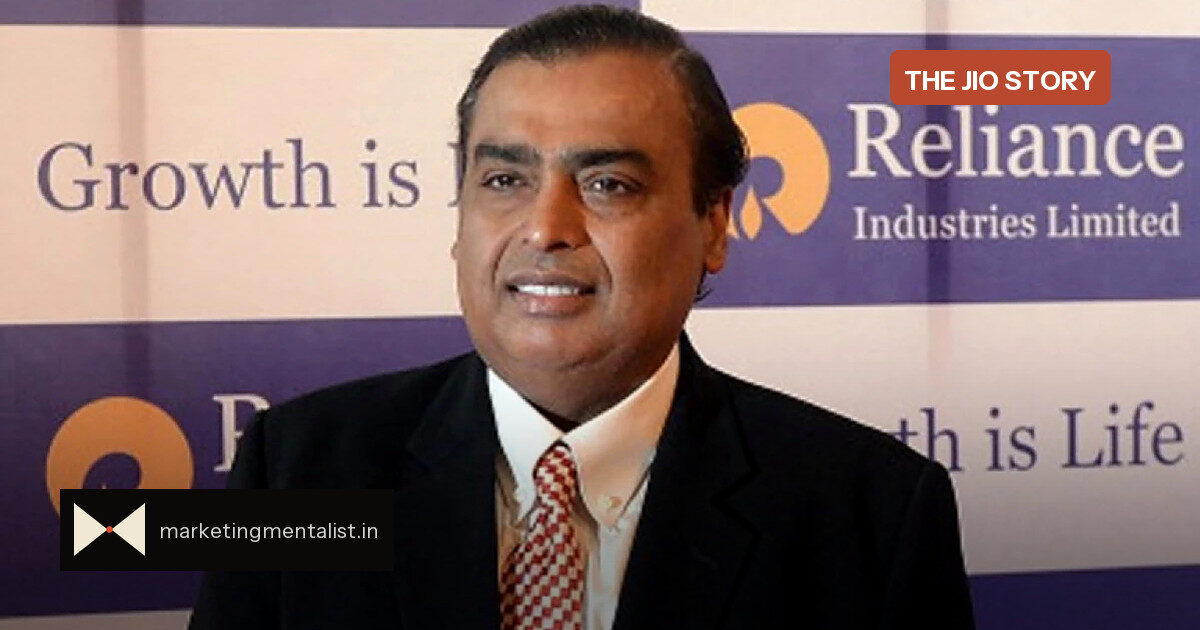
When that record moves to a screen, the memory does not disappear. It becomes available in a different shape. Jio’s stated priorities include digitising businesses, and its ecosystem now spans connectivity, entertainment, commerce, payments, devices, cloud and AI (Reliance Industries 48th AGM, August 2025). For a small shop, this shows up less as dashboards and more as a change in where the shopkeeper puts their attention.
The shopkeeper’s attention moves from recall to recognition
In the paper flow, much of the counter’s energy goes into remembering. Who owes what, who will feel insulted if asked, which items are moving slowly, what a regular usually buys before a festival. That work makes the counter feel efficient but also slightly occupied, even when the relationship is warm.
When digital tools take over that recall, the shopkeeper can spend more attention on the person in front of them. A suggestion becomes quicker. A credit conversation becomes less awkward because the record is visible. The behavioural shift is the same one India learned when the question moved from “How much does data cost?” to “What can we do with data?” Once remembering is cheap, attention is free for the exchange itself.
The shift is not automatic. A khata carries social weight—a line in it can feel like a promise. A digital record must earn the same trust before it changes the relationship. If it is used half-heartedly, it becomes only extra work.
What the customer starts to notice
For the regular, the shop’s memory moves from the pages under the counter to a pattern behind the service. The effect is subtle: the customer begins to expect the shop to know. When the shopkeeper suggests the usual brand or packs an order before it is fully spoken, the customer feels recognised rather than upsold. The digital memory makes that recognition consistent without making the shopkeeper work harder.
- Convenience turns personal: the shop is ready for the customer instead of catching up.
- Trust turns visible: past purchases and dues become clear, reducing small disputes.
- Suggestions turn familiar: a recommendation comes from history, not a hard sell.
The risk is the opposite of closeness: if the customer feels watched rather than known, the magic breaks. Digital memory works when it is as discreet as the khata—helping the shop recognise without making the customer feel tracked.
The habit layer is the real upgrade
For years, the kirana’s strength was that it remembered people. The digital shift turns that memory into a pattern the shop can see at the moment of decision. The shopkeeper moves from writing at the end of the day to checking the screen while serving. The regular moves from explaining a need to nodding at a familiar suggestion. Memory becomes a quiet layer under the conversation, not a task above it.
This is a consumer behaviour lesson: technology changes a relationship when it removes the effort of caring. The kirana did not need a dashboard; it needed its own memory to become searchable, visible and dependable. When that happens, the counter is less about transactions and more about recognition.
In 2016, Jio launched with the Welcome Offer: unlimited 4G data, voice, video and apps (Reliance Industries). The early story was about getting millions online—Jio reached 100 million subscribers within 170 days of launch (company-reported; Reliance Industries Integrated Annual Report 2016-17). With Jio now serving 524 million+ customers (Reliance Jio Infocomm, March 2026; company-reported), the quiet change at the kirana is part of a wider arc: connectivity stops being the headline and becomes the habit.