Jio Story: Three Everyday Utilities Explain India’s Data Decade
Three ordinary moments—UPI at the chai stall, a study video call, maps on a road trip—show how data became India's quiet utility layer.
The most visible act of India’s data decade is not a launch event. It is the chai stall where a phone is pressed to a QR code, the study group that shows up as a grid of faces, and the family road trip that recalculates after a wrong turn. These are not tech moments; they are ordinary utility moments.
What changed was the question
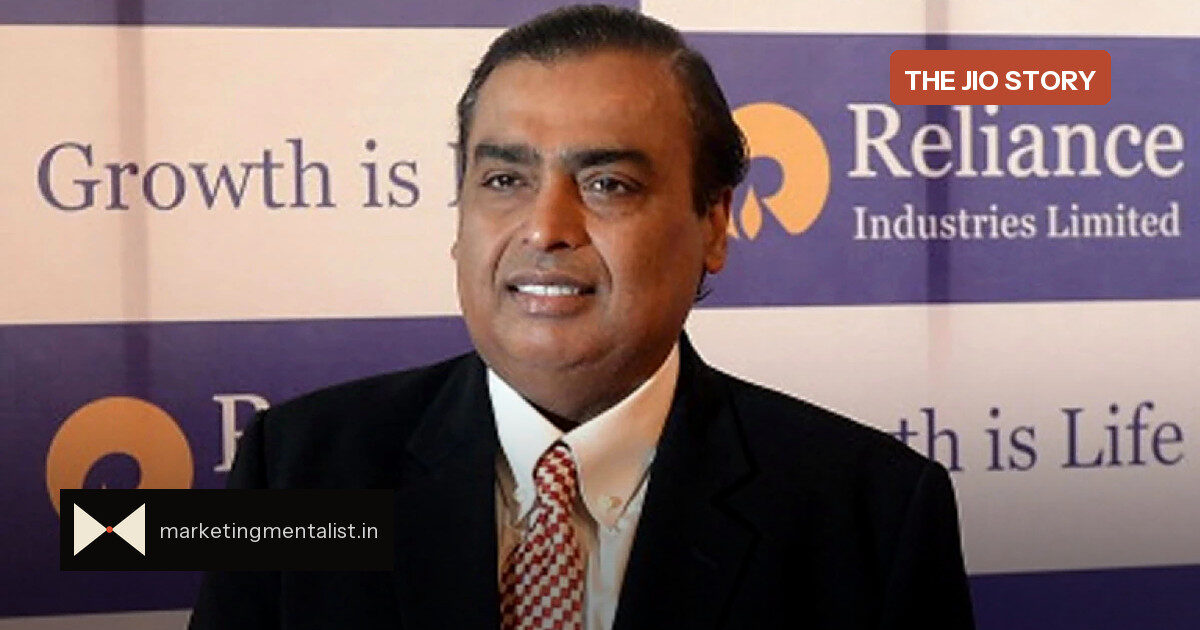
For a long time, data was priced before it was used. Every video, download or call was a small arithmetic problem. In 2016, Jio launched with the Welcome Offer: unlimited 4G data, voice, video and apps (Reliance Industries). The company reported 100 million subscribers within 170 days (Reliance Industries Integrated Annual Report 2016-17). The psychological shift was bigger than the number. India’s question moved from “How much does data cost?” to “What can we do with data?”
Once cost stopped being the cue, utility became the product. A normal day could run on data without needing to be managed.
Three small habits, one utility layer
Look at the mechanics of an ordinary day:
- The chai stall UPI: the trigger is an order, the action is scan and pay, and the reward is no fumbling for change. The transaction feels less like a payment and more like a reflex.
- The study group video call: presence arrives without travel. The screen becomes the room; notes, faces and half-finished answers share the same space.
- The family road-trip map: the phone holds the route, the next turn and the reassurance of arrival. It removes a cognitive load people used to carry in their heads.
None of these asks the user to think about megabytes. That is the real behavioural win: when a service removes a micro-decision, it stops being a tool and starts being an environment.
People share relief, not speed
Memory does not file data speeds. It files the feeling of a problem solved. The chai stall payment is not remembered as a transaction; it is remembered as the first time paying felt weightless. The study call is remembered as a friend staying close. The map is remembered as the family reaching home. Utility, at its most effective, becomes emotional texture.
Brands that understand this stop marketing connectivity as capacity and start showing the ordinary moments it changes. The most shareable campaign material has always been the same: a small ritual made smoother.
What’s next is quieter
Jio’s ecosystem today spans connectivity, entertainment, commerce, payments, devices, cloud and AI (Reliance Industries 48th AGM, August 2025). Its stated priorities include connecting every Indian, bringing digital services home, digitising businesses, and “AI Everywhere for Everyone” (Reliance Industries 48th AGM, August 2025). The next layer is unlikely to announce itself loudly. It will anticipate the route, answer the question before it is typed, and carry more of the day without being asked.
For marketers, the lesson is not about a single launch. It is about designing for the normal day, where utility is measured in relief, not features.