Jio Story: The Khata’s Second Life
The kirana ledger moves from memory to cloud. What changes for the shop, the shopper and the relationship between them—beyond the record.
For decades, a kirana store’s most valuable database was not software. It was the shopkeeper’s memory. The khata held names, amounts and dates, but the real record lived in the pause before a recommendation, the small credit extended without asking, the knowledge that a family wanted atta on Tuesday because school uniforms were bought on Monday.
That quiet intelligence is what small businesses are now moving to the cloud. In 2016, Jio launched with the Welcome Offer: unlimited 4G data, voice, video and apps (Reliance Industries). A counter that once ran on paper and recall could suddenly reach the same network as a metro office. The change did not begin with a new machine. It began with a familiar object—the khata—getting a second life.
Jio’s ecosystem today spans connectivity, entertainment, commerce, payments, devices, cloud and AI (Reliance Industries 48th AGM, August 2025). Jio’s stated priorities include connecting every Indian, bringing digital services home, digitising businesses, and “AI Everywhere for Everyone” (Reliance Industries 48th AGM, August 2025). For a kirana store, that means the tools of a large business arrive in pieces: a payment link, a customer list, a reorder reminder, a delivery note.
The khata was never just a ledger
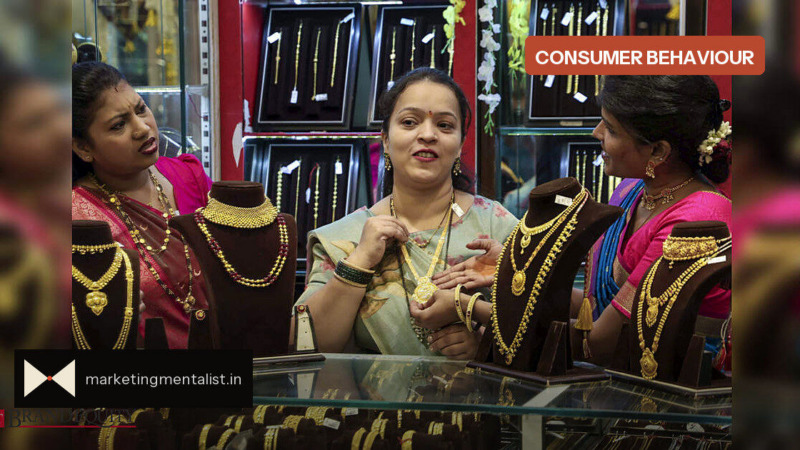
From a behavioural view, the paper khata did two jobs. It recorded debt. And it signalled relationship. A shopkeeper who remembered a customer’s usual brand was not only selling; he was reducing her decision effort. She, in turn, stayed because the shop made buying easy and familiar. The ledger was a record of accumulated trust.
When the khata moves to the cloud, the same psychology follows. Consumers do not want a faster transaction as much as they want to feel known. The digital record simply makes that recognition reliable when the regular shopkeeper is away, when the phone rings at odd hours, or when the customer orders from home.
What changes for the shop and its customers
The visible change is small. A phone on the counter. A name typed into a search bar. A message that says an order is on its way. The invisible change is bigger: the shop’s memory stops living in one person’s head and starts living where it can be used.
- The shopkeeper stops carrying every detail alone and starts seeing the pattern behind it.
- The customer stops rehearsing the weekly order and gets recognised without stating it.
- The relationship keeps its informality, while the memory becomes available on more than one device.
This is a continuity story, not a replacement story. The corner shop’s advantage has always been context. Cloud tools work best when they preserve that context, not when they flatten it into a generic online cart.
Why the cloud does not replace the counter
Marketing psychology teaches that people overvalue what is familiar and underweight what feels effortful. A kirana store wins on familiarity. The cloud wins only when it makes that familiarity more consistent. If a customer’s usual order appears before she asks, that is not automation diminishing the relationship. It is the same small courtesy the shopkeeper offered from memory, now written down.
The question India asked moved from “How much does data cost?” to “What can we do with data?” (the series’ framing line, not a statistic). For kirana owners, the answer is not dashboards. It is the ability to keep the counter personal at a scale the paper khata could never hold.
When the khata gets a second life, the shop does not become less local. It becomes a local business with a better memory. That, more than any feature, is the shift a customer notices: being known, even before being asked.