Jio Story: The Five Human Rhythms on One Data Layer
Why the data saver, midnight binger, kirana owner, first-generation creator and Dadi reveal the deeper shift in India's data behaviour.
The most useful way to read India’s data decade is not through network maps or app launches. It is through the five people who now share the same invisible layer: the data saver, the midnight binger, the kirana owner going digital, the first-generation creator, and Dadi on her first video call.
Each behaves differently. Yet all are responding to the same shift the series has been following: the question moved from “How much does data cost?” to “What can we do with data?”
The five patterns
The data saver still checks usage out of muscle memory. The midnight binger queues downloads only after 11 pm. The kirana owner no longer needs a pen for regulars; the screen remembers. The first-generation creator treats the phone as a production house. And Dadi’s first video call is not a feature test — it is an emotional event.
- Data saver: scarcity trained the hand; habit outlives the old tariff.
- Midnight binger: time, not bytes, is the new constraint.
- Kirana owner: digitisation changes memory, not just ledgers.
- First-generation creator: reach is now a room, not a broadcast.
- Dadi’s first call: presence travels faster than explanation.
Why they feel different
These are not demographic segments. They are behavioural rhythms. A middle-aged shop owner and a college student may sit in the same household and use the same network differently because the trigger, the fear and the reward differ.
The saver is motivated by control. The binger by freedom from the meter. The kirana owner by reliability. The creator by attention. Dadi by closeness. Marketers who pitch all of them with a single “digital India” message will miss the emotional layer that actually drives adoption.
The psychological switch
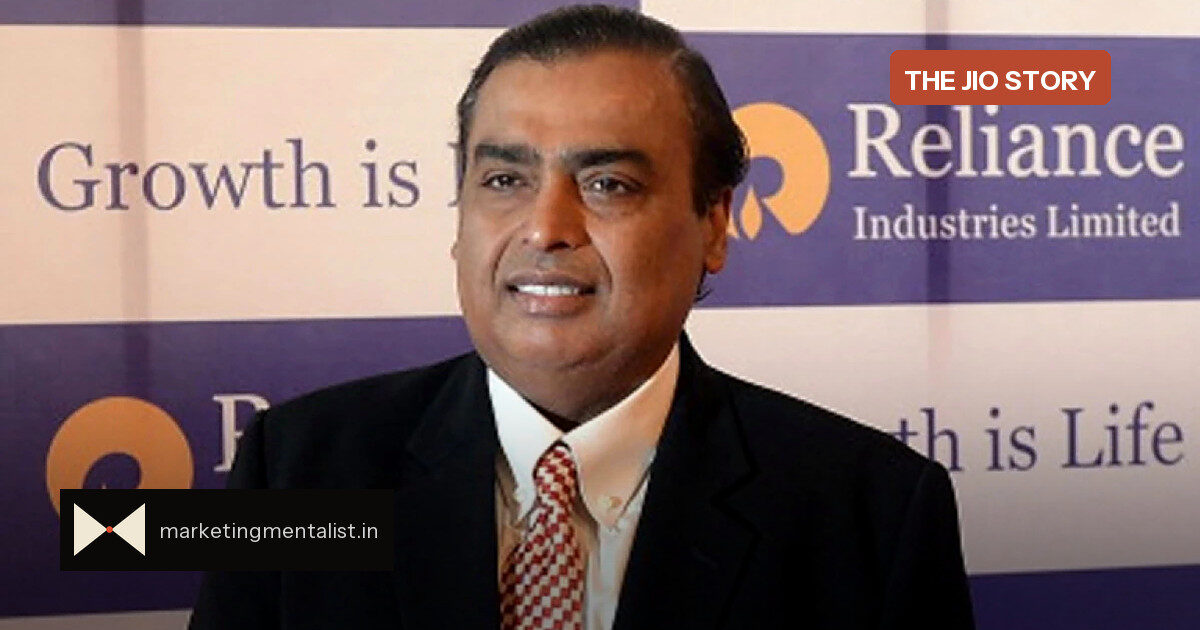
In 2016 Jio launched with the Welcome Offer: unlimited 4G data, voice, video and apps. The company reached 100 million subscribers within 170 days of launch, as reported in Reliance Industries’ Integrated Annual Report 2016-17. That speed was not only a network event; it reset what people thought the phone was for.
When the meter disappeared, habits moved from conservation to expression. The midnight binger emerged because the cost of downloading a series finally felt lower than the cost of waiting. Dadi’s first video call became shareable because participation, not hardware, was the last barrier.
What marketers can borrow
Segment by data rituals before you segment by age or city. The saver needs reassurance, the binger needs curation, the kirana owner needs continuity, the creator needs distribution, and Dadi needs the simplest possible on-ramp.
Jio now serves 524 million+ customers, according to company-reported data from March 2026. Its ecosystem spans connectivity, entertainment, commerce, payments, devices, cloud and AI, and its stated priorities are connect every Indian, bring digital services home, digitise businesses, and “AI Everywhere for Everyone.” Those priorities become useful only if each human rhythm finds a reason to stay.
The brand lesson: infrastructure creates the possibility; habits create the memory. The next wave will not be won by coverage alone. It will be won by understanding which of the five rhythms a user is in at 8 pm, 11 pm, or the first morning after a new phone.