Jio Story: The Everyday Shift Data Forgot to Announce
From rationed data and the cyber cafe to an always-on pocket, India's data decade changed access. The deeper shift: data became an assumed room, not a meter.
Then: access was a decision
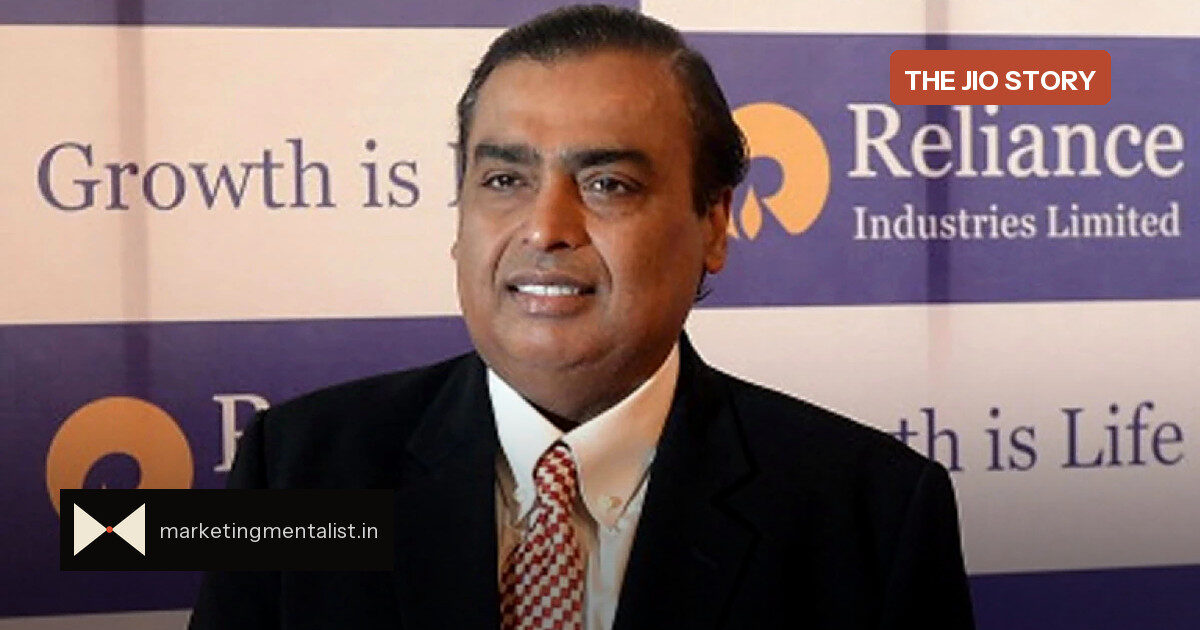
In 2016, data was something you noticed. A video was weighed against a voice call. A download was an event. The cyber cafe still made sense when the task felt too heavy for a phone, because the internet was a place you visited—metered, timed and shared. Reliance Industries launched Jio with a Welcome Offer of unlimited 4G data, voice, video and apps, and the old arithmetic began to fall apart.
Company-reported numbers put Jio at 100 million subscribers within 170 days of launch. That speed matters less as a business marker and more as a signal: people were ready to stop counting.
Now: the room replaced the meter
Jio now serves 524 million+ customers, as reported by Reliance Jio Infocomm in March 2026. The ecosystem, as Reliance Industries described at its 48th AGM in August 2025, spans connectivity, entertainment, commerce, payments, devices, cloud and AI. But the bigger shift is not the stack; it is what happened to attention.
The question India asked moved from “How much does data cost?” to “What can we do with data?” When a resource stops being metered, it stops being a budgeting problem and becomes part of the background. I call this ambient utility: a service so present that people stop tracking it and start assuming it will simply work.
Here is the then-and-now shape in three everyday habits:
- Then: every megabyte had intent because it had a visible price. Now: attention is the scarce input, not data.
- Then: the cyber cafe made internet a scheduled, shared destination. Now: the phone makes it an ambient, personal layer.
- Then: saving data felt like competence. Now: not noticing data feels like a baseline.
The psychology behind the shift
Behavioural science would call this a reference-point reset. Before, the comparison was scarcity: you measured every session against a limit. After, the comparison became capability: you measured every moment against what you could watch, learn, order or create. The person did not change; the frame did.
That is why the cyber cafe did not merely lose a job to the phone. It lost the mental model of internet as a scheduled transaction. The phone won by becoming a private room with no closing time—internet as an unstated part of being alive.
What this means for brands
Jio’s stated priorities—connect every Indian, bring digital services home, digitise businesses, and “AI Everywhere for Everyone”—point away from selling data and toward designing defaults. In a market where data is assumed, buying behaviour stops being about cost per unit and starts being about relevance per second. Brands that still market to the ration-book user are speaking to a consumer who stopped existing somewhere between the cyber cafe and the pocket.
The real then-vs-now shift is not technological first. It is psychological: from rationing access to assuming it, from a public counter to a private pocket, from “how much will this cost” to “what will I do with this moment.” That is the brief for the next decade.