Jio and the Shared Memory of a First Video Call
Why a first video call home became shared brand memory: the psychology of collective nostalgia and ritual-driven brand building.
Most brand nostalgia is borrowed—a jingle, a pack design, a festival ad. But some nostalgia is lived: the first time a video call home stopped feeling like a special occasion and started feeling like Tuesday.
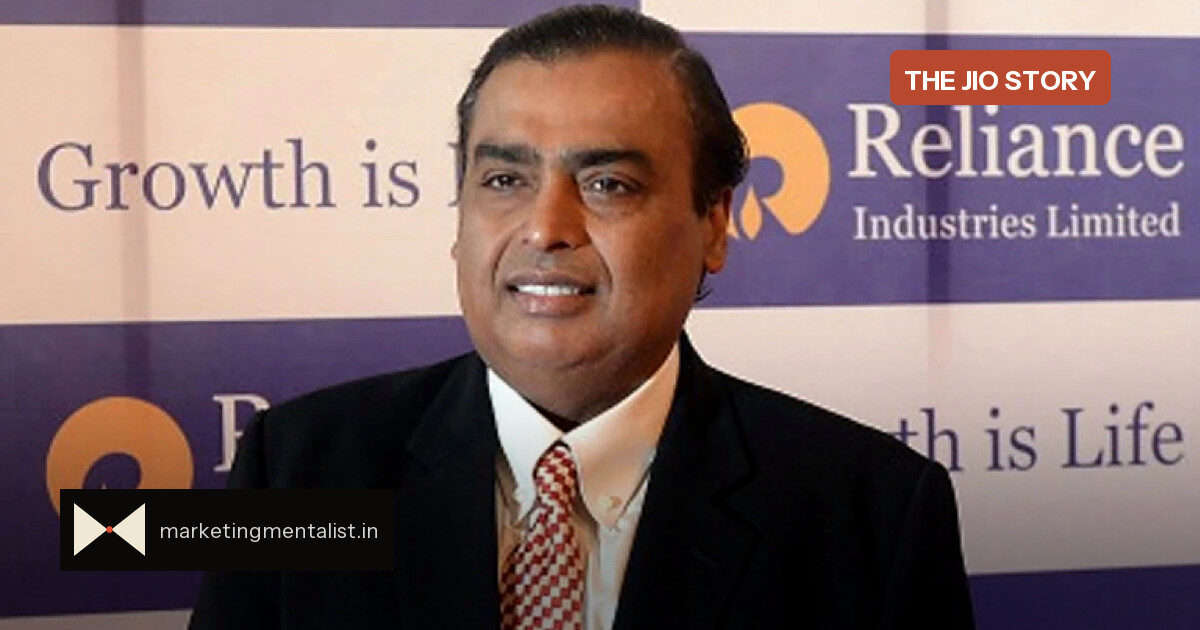
In 2016 Jio launched with the Welcome Offer: unlimited 4G data, voice, video and apps (Reliance Industries). The company later reported reaching 100 million subscribers within 170 days (company-reported; Reliance Industries Integrated Annual Report 2016-17). That changed the question India asked, from ‘How much does data cost?’ to ‘What can we do with data?’ But the deeper marketing lesson is not about pricing. It is about how a utility became a shared memory.
The memory is small enough to belong to everyone
Collective nostalgia rarely forms around a corporate milestone. It forms around a small, repeatable moment: the first video call home, the grandmother seeing a face on a screen, the hosteller calling after dinner instead of texting.
These moments work because they are ordinary. If a memory feels too polished, it belongs to the brand. If it feels slightly grainy and specific, it belongs to the person remembering it. The 2016 data moment gave millions of people the same small ritual without scripting what it should mean.
- The memory is personal: everyone has their own first-call story.
- The trigger is shared: the shift in data access was felt across households.
- The emotion is safe: nostalgia invites warmth, not comparison.
Why brands build on shared memories
A shared memory is a low-cost brand asset. It does not need to be reintroduced; it only needs to be re-triggered. When a brand can reference an everyday moment that millions already hold, the audience does the emotional work themselves.
That is why marketers should anchor on rituals, not announcements. The Welcome Offer may have been the event, but the memory is the first video call. The brand becomes the backdrop: present, useful, but not the main character.
The question India asked moved from ‘How much does data cost?’ to ‘What can we do with data?’
The first question creates a price conversation. The second creates a shared story.
Nostalgia, but not a museum piece
Shared memory only works while the ritual keeps evolving. Today Jio serves 524 million+ customers (Reliance Jio Infocomm, March 2026; company-reported), and its ecosystem spans connectivity, entertainment, commerce, payments, devices, cloud and AI (Reliance Industries 48th AGM, August 2025). The stated priorities—connect every Indian, bring digital services home, digitise businesses, and ‘AI Everywhere for Everyone’—sound like infrastructure. But the brand memory will stay emotional if each new layer connects to an everyday moment people can claim.
So the brief for marketers is simple: do not manufacture a milestone. Notice the small moment your product makes ordinary, then let people tell you what it meant.