Jio’s Invisible Utility: Data Without the Meter
How chai-stall UPI, study-group video calls and road-trip maps turned data from a scarce resource into psychological wallpaper.
The chai stall near the college gate used to have two sounds: the whistle of the kettle and the jangle of coins. The coins are mostly gone now. A phone comes out, a UPI app opens, a QR code gets scanned, and the tea gets made.
That small moment is easy to miss. It is not a technology story. It is a behaviour story about what happens when data stops being a decision.
The noise that disappeared
Buying data used to be deliberate. People checked balances, topped up before a train journey, asked friends to turn off video, and rationed downloads. The question India asked about data was simple: “How much does it cost?”
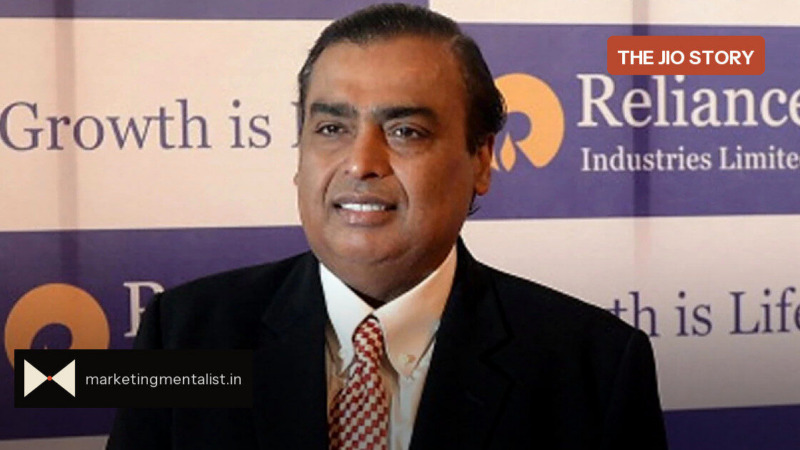
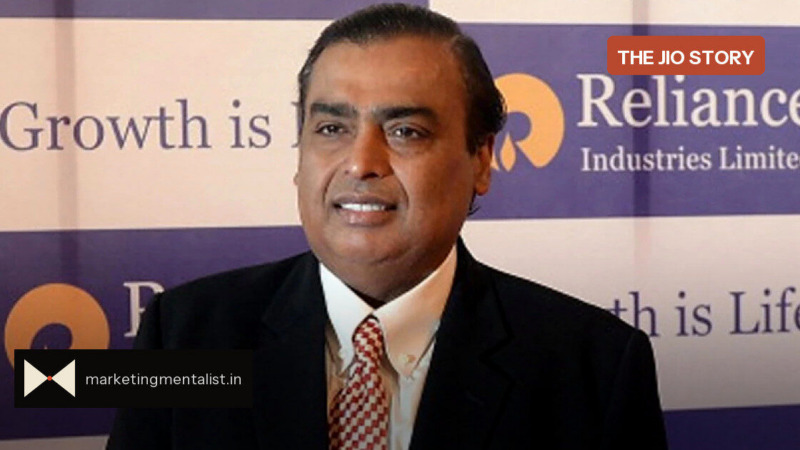
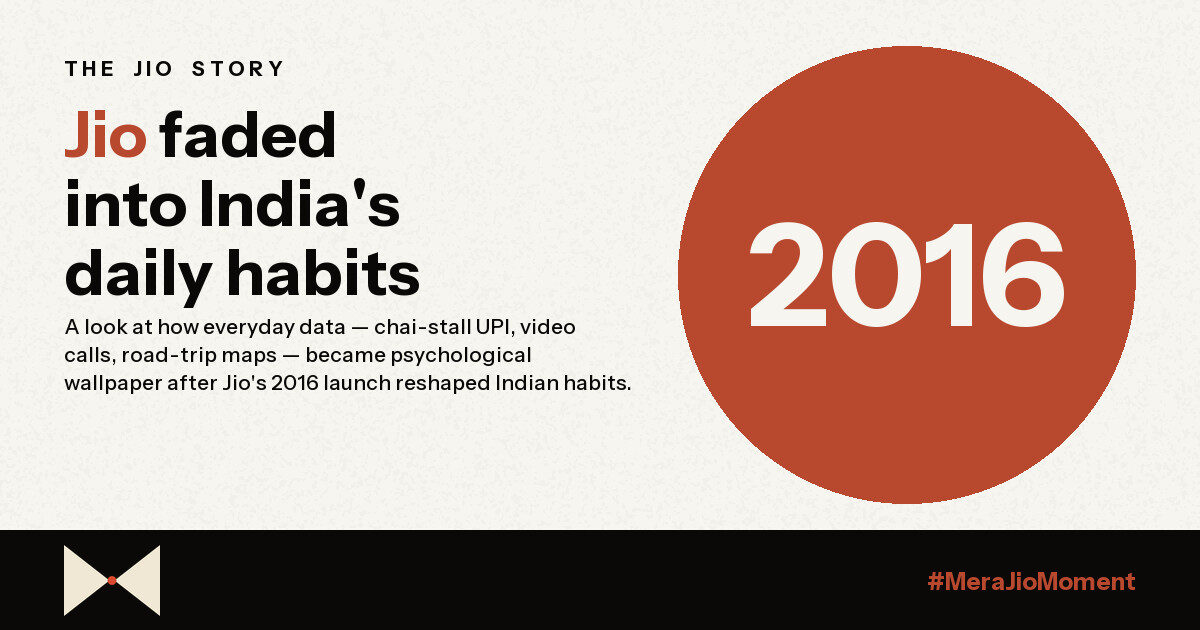
In 2016 Jio launched with the Welcome Offer: unlimited 4G data, voice, video and apps, as reported by Reliance Industries. The company reported 100 million subscribers within 170 days. But the bigger change was not the number of connections. It was the removal of the mental meter.
When a resource stops being scarce, it stops being the centre of attention. Data became context, not content.
Three ordinary rituals, one quiet shift
Look at a normal day.
- A chai stall UPI payment works because nobody thinks about the data packet behind it.
- A study group on a video call feels normal because video no longer feels expensive.
- A family road trip runs on maps because connectivity is assumed in the car, not argued about.
In each case, the buying behaviour is automatic. The user is not choosing a network. The user is completing a ritual.
The psychology of being unremarkable
Most brands chase attention. This story points the other way. The most durable position in a utility-driven category is to become the assumption — the layer people do not compliment, because they do not notice it.
That is a strange win for a brand. It means the logo stops being the hero and the habit becomes the hero. But it also means switching feels like effort, because the user would have to think about something that currently feels like air.
Jio’s stated priorities now include connecting every Indian, bringing digital services home, digitising businesses, and “AI Everywhere for Everyone”, as shared at Reliance Industries’ 48th AGM in August 2025. The ecosystem spans connectivity, entertainment, commerce, payments, devices, cloud and AI. The framing line of this series captures the shift: India’s question moved from “How much does data cost?” to “What can we do with data?”
Maybe the truest measure of a utility is not how often people praise it, but how rarely they remember it is there.