Why My First Video Call Home Works as Shared Nostalgia
Why a private first video call home became a cultural timestamp—and how brands can build on shared nostalgia without owning the moment.
Every generation has a technology that turns into a feeling. For many Indians, the first video call home around 2016 is exactly that. The face appears, the voice arrives, and the distance stops mattering for a moment. It was not just a feature. It became a story people repeat.
A private first becomes a shared memory
A first video call is intimate: wrong angles, small delay, laughter. But when millions of people have the same first at roughly the same time, the private moment becomes a cultural timestamp. This is collective nostalgia: not one person missing the past, but many people remembering the same past together.
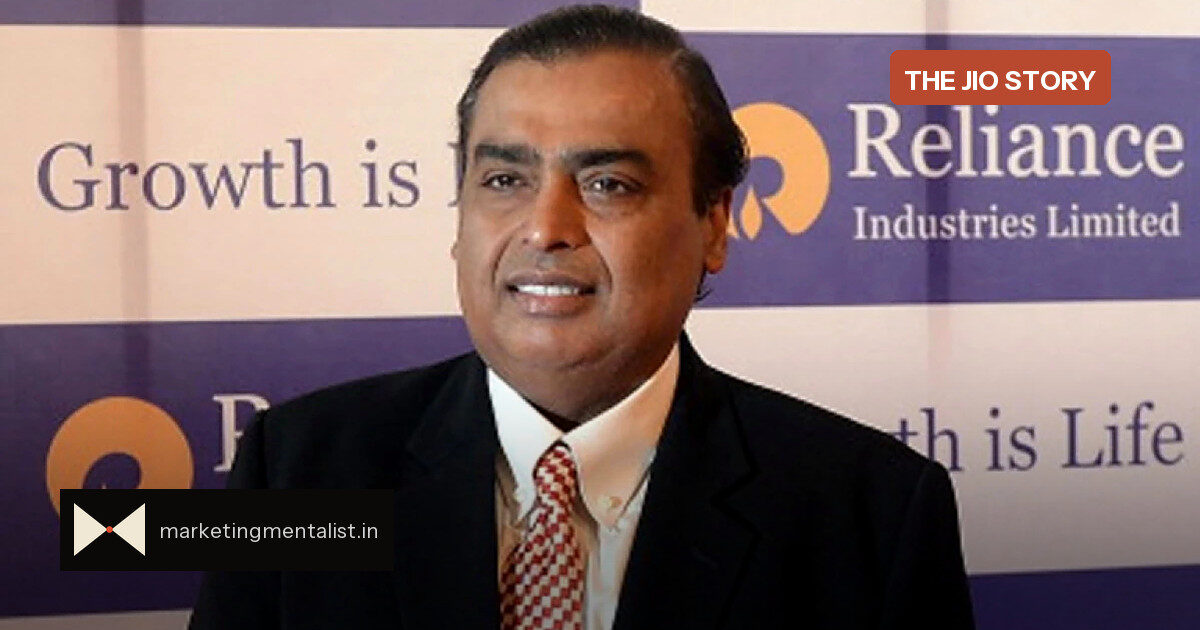
In 2016, the Welcome Offer brought unlimited 4G data, voice, video and apps (Reliance Industries). The question many were asking quietly changed from “How much does data cost?” to “What can we do with data?” The first call home felt like the answer.
Why the moment sticks
Memory loves contrast. One day, data is rationed and guarded. The next, it is not. The video call home is the emotional proof of that shift—a face on the screen, no meter running.
Scale made the private story social. Jio reached 100 million subscribers within 170 days of launch (company-reported; Reliance Industries Integrated Annual Report 2016-17). At that scale, a personal first becomes a shared reference point, like a festival or a school memory.
Why brands build on shared memories
A shared memory works for a brand because it does three jobs at once:
- Social proof: if so many people remember it, it feels true.
- Identity: saying “I remember my first video call” signals belonging.
- Distribution: people retell the story freely, and the brand travels inside it.
The marketer’s impulse is to own the moment. The smarter move is to reflect it without interrupting it.
Nostalgia as a cue, not a claim
Collective nostalgia is most useful when it points forward. The first call home tells people what normal felt like after the shift. That is why brands build on shared memories: the moment becomes context for the next one.
Today, Jio serves 524 million+ customers (Reliance Jio Infocomm, March 2026; company-reported). The ecosystem spans connectivity, entertainment, commerce, payments, devices, cloud and AI (Reliance Industries 48th AGM, August 2025), and the stated priorities include connecting every Indian, bringing digital services home, digitising businesses, and “AI Everywhere for Everyone” (Reliance Industries 48th AGM, August 2025). The infrastructure has expanded. The emotional anchor remains a first call home.
The brand job is not to repeat that memory. It is to set up conditions where the next shared memory can form.