The 1985 Frooti Ad That Made Mango a Mental Shortcut
In 1985, Frooti used a sticky jingle and bright mango imagery to turn 'fresh and juicy' into a mental shortcut for the brand.
The ad and when it ran
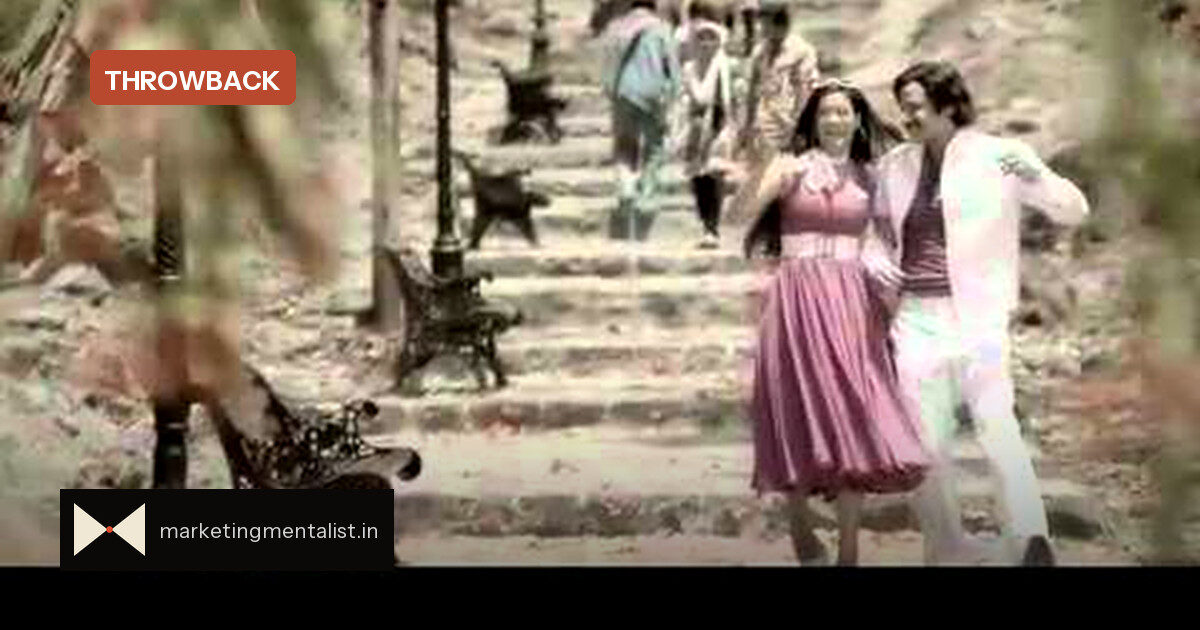
In 1985, Frooti was a new mango drink from Parle Agro, sold in a tetra pack that felt unlike the glass bottles of the time. The campaign, Mango Frooti Fresh and Juicy, made one promise over and over: this is mango, bright and immediate.
The film doesn’t lean on plot. It leans on a small set of cues—the yellow of mango, the sound of the jingle, the phrase “fresh and juicy.” That simplicity was the strategy. This was a period when fruit drinks were often syrups or milk-based, and mango was everywhere but no single brand clearly owned it. Frooti’s campaign tried to own the fruit itself, not just the liquid in the pack.
The levers it pulled
The campaign worked by using cognitive shortcuts that felt natural and stuck hard.
- Audio mnemonic. The jingle set “Mango Frooti, fresh and juicy” to a bright tune. Because the phrase was short, repeated and tied to the product name, it worked as a retrieval cue. Remember the tune and the brand came back automatically.
- Sensory association. The film paired the verbal promise with golden mango visuals and the feeling of refreshment. With repetition, those cues became classically conditioned triggers; the sight of the pack or the tune started the taste sensation.
- Mere exposure effect. Rather than argue why the drink was good, the campaign repeated one claim until familiarity felt like truth. The more people heard “fresh and juicy,” the more they accepted it as a fact about Frooti.
What it did for the brand and the culture around it
The campaign built a durable mental slot. Frooti became the default answer when consumers thought of packaged mango, because the ad had fused the fruit and the brand name into one memory.
Culturally, it helped the tetra pack feel modern and fun. In a pre-cable India, television jingles became shared references. The Frooti tune entered households as a tiny earworm, not just a product message. It turned a packaging innovation into something friendly and accessible.
What still works today and what would not
What still works is the courage to own a sensory property and repeat it. A short sonic phrase, left unchanged, builds memory faster than a clever new script each quarter. That principle hasn’t aged.
What would not work is the bare visual style and one-note execution. Today’s feeds demand more variation and sharper brand codes. But the backbone remains: find a sensory truth, make it repeatable, and protect it long enough to become a mental shortcut.
Watch the original: Frooti on YouTube