A Rs 149-a-month test for Kannada digital news
Deccan Herald and Prajavani have put selected stories behind a paywall. The real question is whether trust can turn into paid subscriptions.
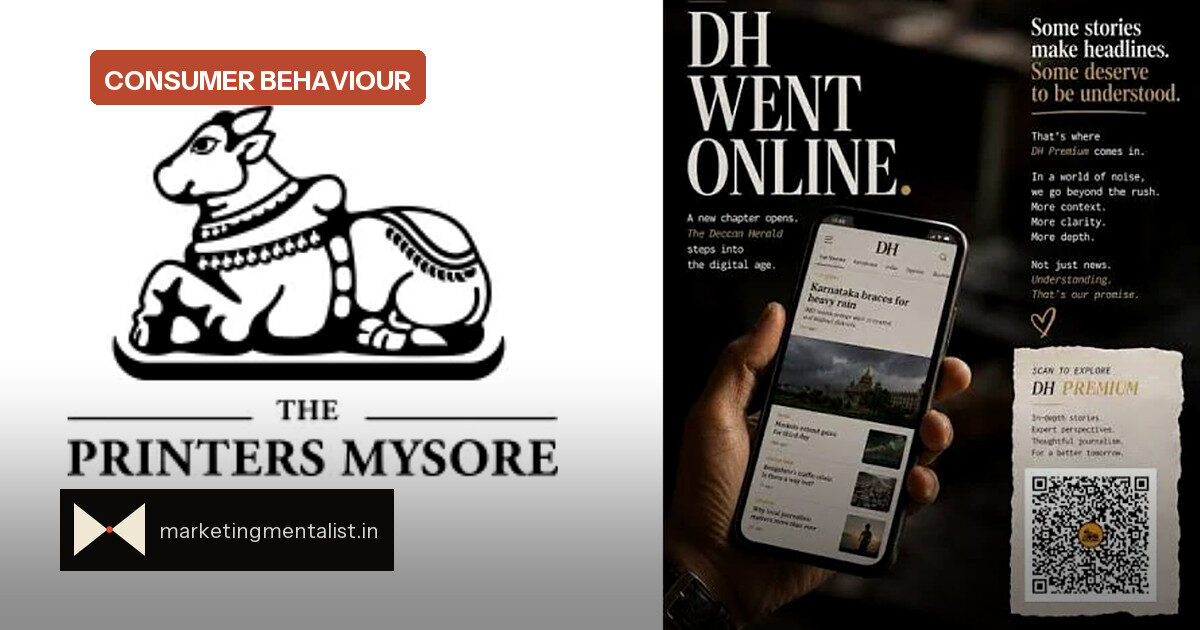
For years, digital news in India ran on a simple deal: content was free, and attention was sold to advertisers. That bargain is now under pressure from search engines, social feeds and AI tools that answer questions without sending a reader to a publisher’s site. The Printers Mysore, which publishes Deccan Herald and Prajavani, is making a different bet—asking readers to pay directly.
In August, the company introduced Deccan Herald Premium and Prajavani Premium. Selected stories now sit behind a paywall, while everything else remains free. The publisher is not using a metered model or an automated system. Editors manually choose which stories are premium, a deliberately light approach that does not require heavy analytics investment.
Confidence came from the e-paper, not the paywall
The company’s confidence traces back to December 2025, when it revamped its existing e-paper. Prajavani subscriptions rose after the product was promoted. Suhaib Husain, digital business head at The Printers Mysore, said the traction showed “a willingness to pay for regional news as well.”
That is the core question. English-language publishers have tested paywalls for years; Kannada digital news has hardly experimented with them. Prajavani’s brand may close that gap. Civil services and KPSC coaching institutes in Karnataka recommend the paper to aspirants, giving it credibility that could carry over into paid digital access.
What the pricing tells you
- Prajavani Premium: Rs 149 a month, Rs 999 a year, Rs 1,899 for two years.
- Deccan Herald Premium: Rs 999 for six months, Rs 1,299 a year, Rs 2,099 for two years.
- Both include premium articles and the e-paper across mobile and desktop.
The low monthly Prajavani price is a classic risk-reduction move: Rs 149 is small enough to try without much deliberation. The annual options then anchor the higher commitment. Deccan Herald’s English audience sees a higher six-month entry point, which fits a segment more familiar with paying for news.
This is a community play, not just a paywall
Early subscribers are concentrated in Karnataka, with some conversions from the US and the UAE, likely Kannadiga readers abroad. The immediate priority is awareness inside Karnataka. The publisher plans to bring magazines Sudha and Mayura into the bundle and is exploring subscriber-only events in Bengaluru, such as reading clubs and food-tasting sessions.
Husain expects subscriptions to contribute around half of digital revenue within two to three years. The promise to subscribers is ad-light, not ad-free, leaving room for sponsorships and first-party data opportunities without breaking the premium experience.
For marketers, the broader lesson is simple: a trusted brand can test willingness to pay with a low-friction offer before building expensive personalisation. The paywall is not really about technology. It is about whether brand equity changes what people are willing to pay for.
Source: Afaqs!