Why Blinkit won’t chase private-label margins
Blinkit CEO Albinder Dhindsa argues private labels are not a quick fix for margins—and explains where own brands still make sense.
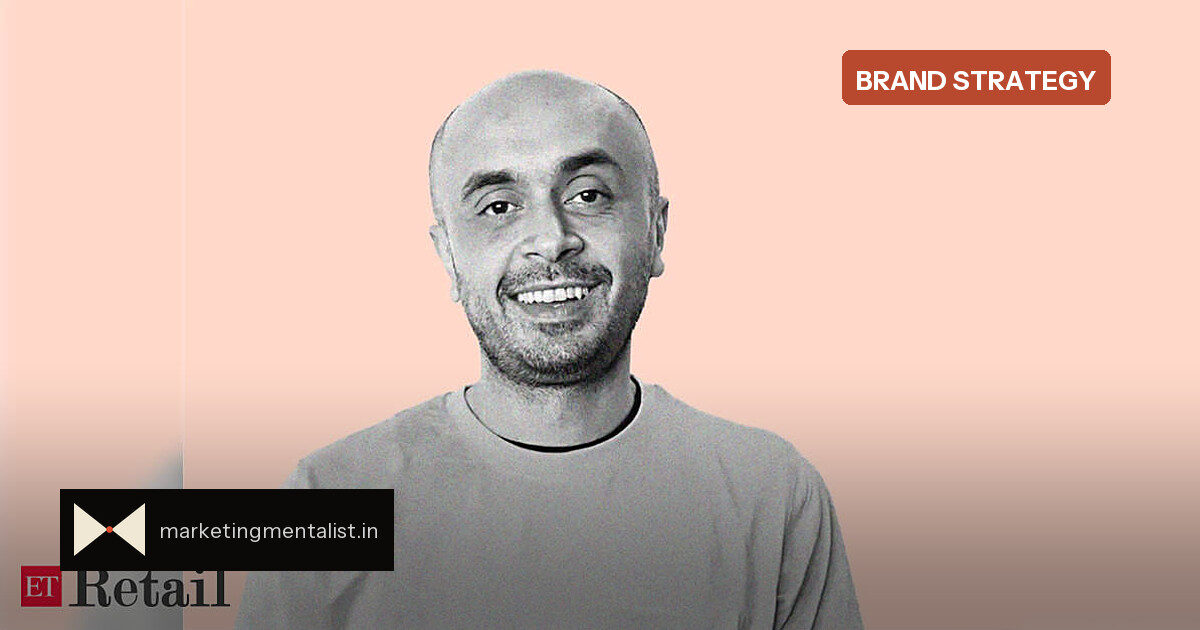
Quick commerce has made private labels look like an obvious next step: take a top-selling product, put your name on it, and keep more of the margin. Blinkit is pushing back on that idea. In a shareholder letter on Eternal’s September-quarter earnings, CEO Albinder Dhindsa said the company sees no compelling case for private labels to improve margins or drive incremental demand.
A logo is not a brand
Dhindsa’s argument is a checklist for anyone who thinks a private label starts and ends with packaging. He said the case only works when a product is genuinely differentiated—something customers choose for quality, story-telling or design. That means continuous product development, manufacturing development, quality control, inventory management across a full portfolio of SKUs, sampling and marketing to drive trial and repeat business.
“Building a brand, not just putting our name on a product.”
The subtext matters for marketers: distribution gives you shelf space, but it does not give you brand preference. Blinkit’s core expertise is speed and logistics. Building consumer brands is a different capability, and Dhindsa said established brands are better equipped to invest across those functions.
Where own labels still make sense
Blinkit is not walking away from own labels entirely. Dhindsa pointed to fruits and vegetables as the clearest exception, because deeper supply-chain control can improve freshness and quality. Hyperpure, the group’s sourcing and quality-control arm, already captures that benefit without needing a separate consumer-facing brand. The company also runs Whole Farm, focused on pantry staples such as atta, rice, dal, dry fruits and masalas.
By not pushing its own brands into every category, Blinkit can put that shelf space and visibility behind other brands—and earn advertising revenue from them. That turns the platform into a marketplace play rather than a product play.
The Instamart contrast
The comparison is already visible. Swiggy Instamart has said one in ten orders on its platform now includes a product from Noice, its clean-label range across snacks, desserts, groceries, beverages and dairy. Instamart’s chief executive, Nandita Sinha, has framed Noice as a way to give India’s food entrepreneurs the platform, standards and capital to scale.
Two quick-commerce leaders are now running different experiments: Blinkit is betting on external brands and advertising, while Instamart is betting on a curated own-label engine.
What to ask before you private-label
- Treat a private label like a brand P&L, not a margin filler.
- Enter only where you hold a real supply-chain or quality advantage.
- Be honest about whether you can fund product development, QC and repeat-purchase marketing.
- If not, leave the shelf to a brand that can—or sell the visibility as advertising.
The filter is simple: before asking “can we make it cheaper?”, ask “can we make it clearly better in a way customers notice?” If the answer is no, the margin gain may be short-lived, while the brand risk lingers.
Source: ETRetail.com