What Apple’s 600-Seat Music Hall Really Sells
Inside Apple's 600-seat, 48-speaker Music Hall at Battersea is a world-building play to convert fans, artists and the future of home sound.
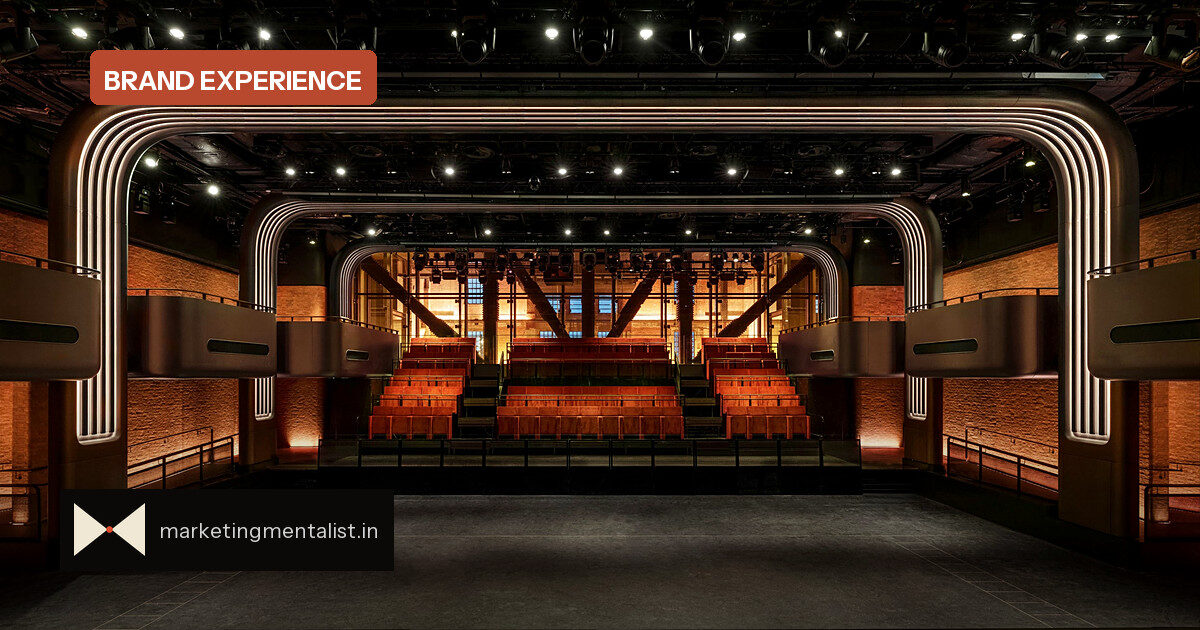
The venue is only the surface
Apple opened its Apple Music Hall in late September underneath its U.K. headquarters at Battersea Power Station in London. The room is deliberately intimate: 600 people, 48 speakers and Spatial Audio throughout. The format uses Dolby Atmos and dynamic head tracking to make stereo feel three-dimensional.
A 600-seat hall is a smart choice. A giant theatre would look like a corporate vanity project. A small, high-fidelity room feels like a private club for the kind of listener who will talk about sound quality long after the show.
World-building, not ticket sales
Apple has already proved it can build a content world in television with hits such as Severance, Ted Lasso and Slow Horses. Music has been the harder fight. Spotify still has roughly three times as many subscribers, and it owns much of the listener conversation.
The Music Hall is Apple’s attempt to change the frame. Instead of competing only on playlists and price, it wants to make sound quality the story. The strategic aims go well beyond filling seats:
- Convince more listeners to choose Apple Music subscriptions.
- Persuade artists to record and master in Spatial Audio.
- Establish Apple as the natural standard for in-home sound before Google Home or Sonos do.
The risk of experience marketing
Brand experiences are growing. Global spend rose 8.3% to $138.9 billion in 2025 and is projected to climb another 10.3% in 2026. But a bigger budget does not buy relevance. Samsung’s former experiential space in New York, Samsung 837, drew parents and children looking for a rainy-day activity more than it attracted buyers. Luxury lounges from Lexus, Genesis and Cadillac often reminded customers that they wanted cars, not cafés.
The exceptions stay close to their craft. A24’s acquisition of the Cherry Lane Theater became a launchpad for experimental work and a two-year brand partnership with Dior. Porsche Experience Centres put driving at the centre and attract enthusiasts and potential customers at once.
What to borrow from Apple’s move
The Apple Music Hall works because it is not a showroom. It is an argument: if you want to understand Spatial Audio, you have to stand in the room. That argument is difficult for a rival ad to copy and easy for superfans to retell.
For marketers, the lesson is to build physical spaces around one ownable sensory truth. Invite the most committed fans first, let them generate credibility, and measure brand lift rather than footfall alone. A venue that fits the brand can become a launchpad; a venue that only fits a lease usually becomes a lounge.
Source: Fast Company