
How Familiar Fashion Trends Turn Into Buying Behaviour
Stripes are old, but their styling feels new. Yugeena S.'s retail observation shows how familiar visuals become demand signals and reframe brand identity.
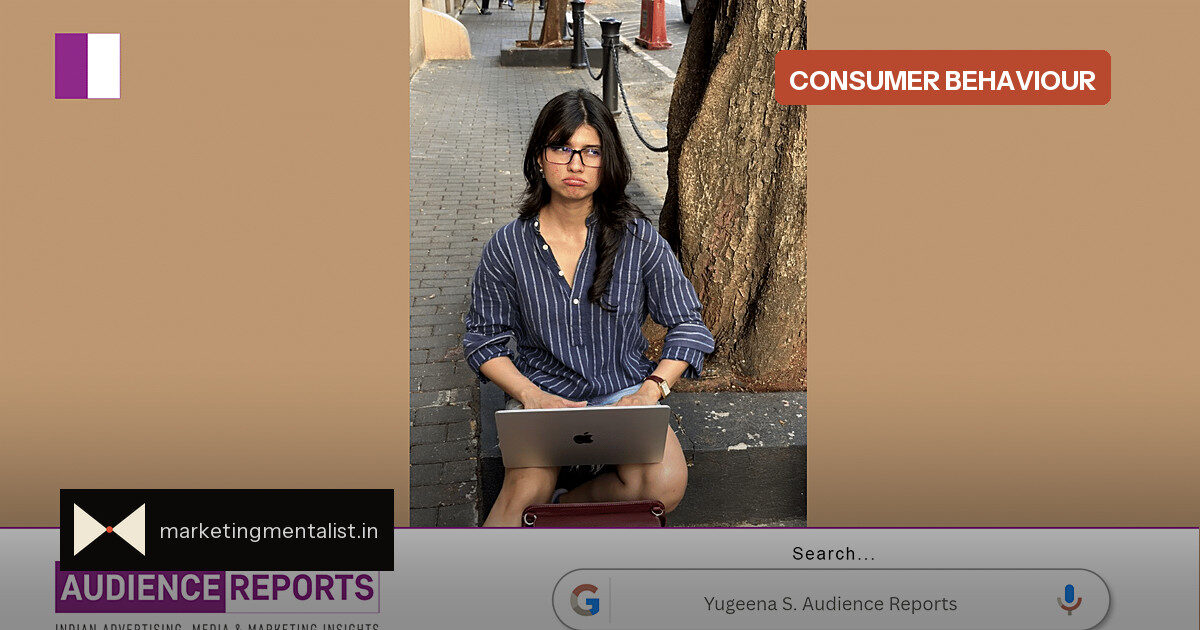
Yugeena S. noticed something in H&M stores in Bombay and Delhi: bold stripes, everywhere. The pattern felt familiar, but the styling did not. That gap between recognition and surprise is the interesting part for marketers.
Familiarity plus a fresh frame
Stripes have existed for decades. What is new is how they are being presented: unexpected colour combinations, oversized silhouettes, coordinated outfits and experimental styling. The design itself has not changed dramatically; the context has. Consumers see a known pattern in an unfamiliar arrangement and reconsider it.
Designer Raymond Loewy framed this as wanting the ‘most advanced yet acceptable’ idea: innovation that stays close enough to the familiar is easier for people to accept. That is exactly what makes a restyled stripe appealing.
Repetition turns style into demand
Consumer behaviour is rarely driven by features alone. Before customers evaluate quality or value, they respond to how a product looks. When a visual style appears repeatedly across stores, ads, social feeds and influencer content, recognition builds. Repeated exposure can make a trend feel relevant and safe to choose.
That is the mechanism behind the mere-exposure effect: the more we see something, the more we tend to like it. A design choice in one store begins to feel like a broader preference when it shows up in many places.
Packaging is the same trick
Yugeena S. connects this to packaging. A product in standard packaging may attract limited attention. The same product with thoughtful colour, typography, texture or structural design can create a different impression. The product stays the same; perceived value shifts through presentation.
For brand managers, the actionable part is simple:
- Track repeated visual cues in stores, social feeds and category leaders before dismissing them as noise.
- Ask whether an existing product or visual identity can be reframed rather than replaced.
- Check whether the trend aligns with brand identity and audience before adopting it.
Use the trend, don’t just follow it
The lesson is not that every brand should add bold stripes. It is that familiar elements can be recontextualised to create fresh desire. A brand that usually uses minimal neutrals could introduce bolder patterns to signal a more expressive personality. A food or beauty label could refresh packaging to meet shifting expectations without reformulating the product.
Context matters. A design that works in fashion may not communicate the right message in another category. The brands that win treat trends as strategic options, not instructions. Effective branding often begins with curiosity: a retail visit, a repeated pattern, an unexpected styling choice can reveal how perception changes while the product stays familiar.
Source: Audience Reports


