Jio Story: Pop Culture’s Best Seat Is Shared
The cricket night, the finale, the wedding reel. India's pop culture now gathers around one screen. Here's why shared viewing became the real format.
Somewhere in India, a phone is propped against a bottle. Fourteen people lean in. It is not a private feed; it is a front row. A last-over finish, a finale twist, a wedding reel looped four times. The view count is one, but the audience is a crowd.
The screen became a venue
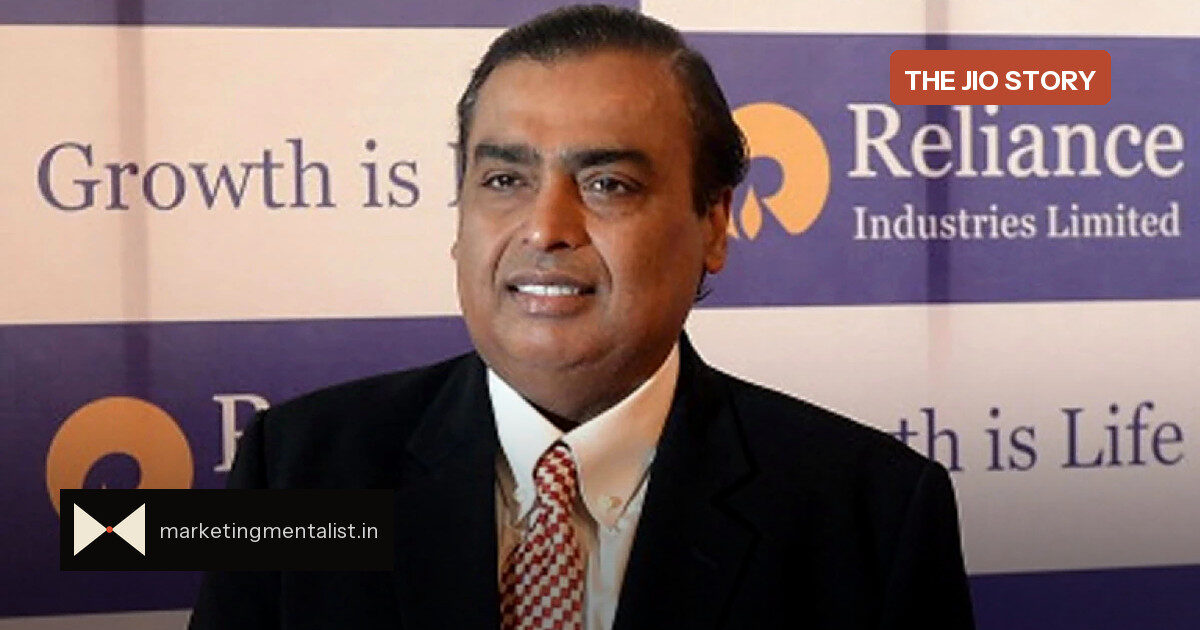
Before the shift, a screen was mostly a personal window. What changed the frame? In 2016 Jio launched with the Welcome Offer: unlimited 4G data, voice, video and apps (Reliance Industries). Jio reached 100 million subscribers within 170 days of launch (company-reported; Reliance Industries Integrated Annual Report 2016-17). When data stopped being the scarce thing, attention moved from “how much” to “what for”.
The question India asked moved from ‘How much does data cost?’ to ‘What can we do with data?’ (the series’ framing line). One answer was: watch together.
Co-viewing is social proof with snacks
Marketers know a lone viewer can pause, skip or scroll. A group viewer gets cues from the room. Fourteen people around one phone do not evaluate a moment in private; they laugh, gasp and argue. That shared reaction becomes the real content. A finale feels more final when someone next to you shouts at the screen.
This is the psychology of co-experience: the event matters because it is witnessed together. The phone is not the product; the crowd around it is the experience.
Wedding reels and the loop of belonging
Wedding-season reels work the same way. A clip is passed hand to hand, not just shared in DMs. The group around the screen is performing belonging: “This is our cousin, our song, our ritual.” The loop is not just entertainment; it is identity reinforcement. Brands that design for the room, not just the feed, get remembered.
The decade’s real format
Looking back, the decade India lived online was not only about individual feeds. It was about moments that pulled a room together. A cricket match, a finale, a wedding reel: each one is a small cultural event. The shared screen is where pop culture became public again, even inside private homes.
What marketers can learn
- Design for the crowd: create moments people want to narrate aloud, not just view silently.
- Use the shared frame: show groups reacting, because the audience is part of the story.
- Respect the ritual: cricket, finales and weddings are cultural calendar events, not just content slots.
Jio serves 524 million+ customers (Reliance Jio Infocomm, March 2026; company-reported). Its ecosystem now spans connectivity, entertainment, commerce, payments, devices, cloud and AI (Reliance Industries 48th AGM, August 2025). Jio’s stated priorities—connect every Indian, bring digital services home, digitise businesses, and ‘AI Everywhere for Everyone’ (Reliance Industries 48th AGM, August 2025)—sound like an enterprise agenda. On the ground, they show up as a shared screen at a wedding or a late-night finale.
Pop culture did not become more important because data got cheaper. It became more visible because it could be gathered around. The crowd was always the point. Now it has a front row.